



















Punch Monkeys: Why zoo visitors and keepers rushed to a viral baby macaque and what it reveals

The surge of attention around punch monkeys is a case study in how a single viral image reshapes behavior on the ground: visitors flock to a zoo, keepers adapt care routines, and public interest forces institutions to balance animal welfare with crowds. In this story the immediate effect falls on Ichikawa City Zoo staff, Punch the young macaque and the waves of fans who turned up to see him.
Punch Monkeys — the visitor and keeper angle
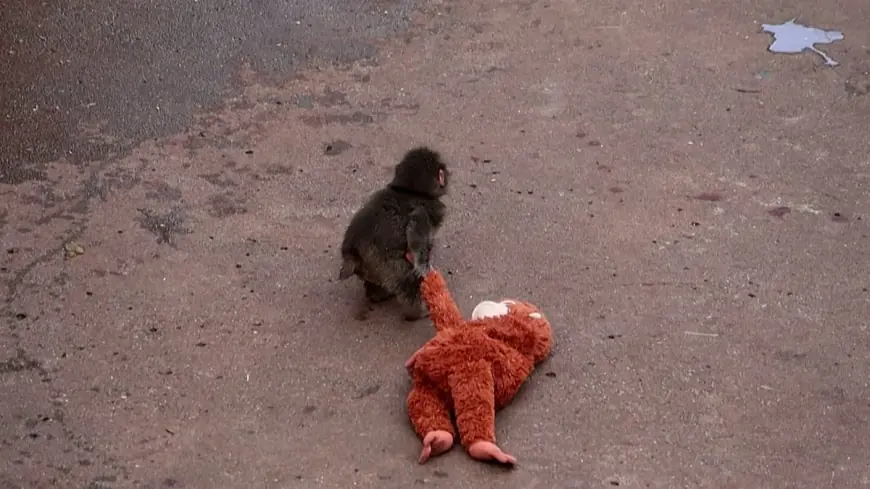
Fans flocked to a Japan zoo to see the viral baby monkey Punch, a young Japanese macaque at Ichikawa City Zoo in Japan. Zookeepers had given him a stuffed orangutan toy as a substitute for his mother after he was abandoned; video of him dragging and playing with the soft toy helped him go viral. During the first few months of his life he struggled to bond with the other monkeys in his enclosure and had mainly the company of human keepers and the stuffed toy.
- Here’s the part that matters: visitors arriving in large numbers change daily routines, foot traffic and the emotional environment for animals and staff.
- If you’re wondering why this keeps coming up, the footage of Punch hugging the stuffed toy and later interacting with peers became the focal point for that surge.
What’s easy to miss is that the care response included deliberate attempts to encourage natural social behaviour rather than leave Punch isolated with human caregivers and a toy.
Signs of social progress from Punch
Recent videos show Punch turning things around: he was given a hug by one monkey and was seen grooming others, which is a key part of macaque socialisation. That shift — from dependency on keepers and the toy to reciprocal interactions with other macaques — is what drew renewed public interest and eased concerns among staff.
Matt Lovatt, director for the Trentham Monkey Forest in the UK, commented on the behaviour and care approach. He oversees Barbary macaques at a wildlife sanctuary near Stoke-on-Trent and highlighted grooming as the key way primates build friendships within their group.
Event details in brief
Punch had been abandoned and clung to the stuffed orangutan that keepers provided as a substitute for his mother. Video clips showed him dragging the toy and playing with it, which helped the story go viral online. After the wave of attention, footage later captured more positive peer interactions — grooming and a hug — which indicate integration among the troop.
Other items appearing alongside the coverage
- A suspect wanted for multiple counts of theft was caught outside a temple on the outskirts of Bangkok.
- A court is due to deliver its verdict in the insurrection trial of Yoon Suk Yeol.
- Arunoday Mukharji explains why India needs to capitalise on the momentum.
- A Lakshmi goddess shrine at a Bangkok shopping mall has become a place where young people come to pray for love.
- Azadeh Moshiri visited Sheikh Hasina's former residence, which is now a memorial for the student protesters killed in the 2024 uprising.
- It is the first election since the 2024 Gen Z uprising that toppled Bangladesh's long-serving prime minister Sheikh Hasina.
- The pro-democracy media tycoon was sentenced to 20 years in jail by the Hong Kong High Court.
- At least 31 people were killed after a suicide bomber detonated a device at a Shia mosque.
- A mayor in the Philippines survived a rocket launcher attack on his vehicle in broad daylight.
- Jonathan Head described a 'devastating' accident as an enormous setback for Thailand's efforts to modernise its infrastructure.
- Voters in Myanmar's election say the poll is taking place in a "climate of fear. "
- Jimmy Lai has been found guilty of foreign collusion following a landmark national security trial.
- Thousands of adoring supporters had paid up to 12, 000 rupees (£100; $133) to catch a glimpse of a football star.
Practical takeaways for visitors, keepers and observers
- Large crowds can amplify stress for animals and complicate routines for keepers; controlled access and clear messaging help manage that dynamic.
- Soft toys or substitutes can serve as temporary emotional supports, but peer integration remains the goal for social species like macaques.
- Visual proof of peer grooming and physical contact is a key signal that reintegration is progressing.
- Public attention can be a double-edged sword: it raises awareness but often requires immediate operational changes at zoos.
The real question now is whether Punch's budding social bonds will remain stable as visitor interest continues. Recent updates indicate his interactions with other macaques have become more frequent; details may evolve.
It’s easy to overlook, but this story intersects with broader themes: how viral moments redirect public attention, how institutions respond under pressure, and how small animal-care choices ripple into larger operational needs.