



















Finland Hockey: How Brady Tkachuk’s Line on Rivalry Sharpens the U.S.-Canada Olympic Clash

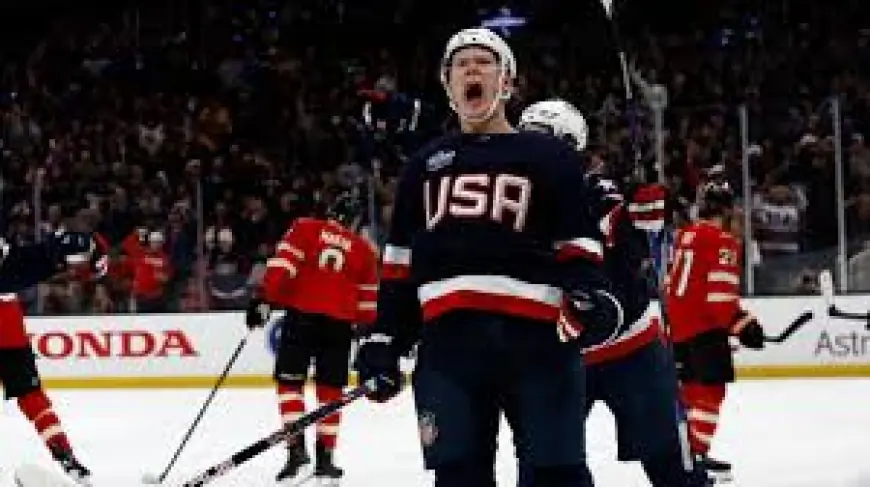
Why this matters now: finland hockey suddenly feels less like national pageantry and more like a pressure cooker. A high-profile player framed the U. S. –Canada rivalry as one loaded with animus, while Team USA stands one win from its first Olympic men’s gold since the 'Miracle on Ice. ' That mix—raw rhetoric plus a finalist spot—raises the stakes for players, coaches and the fans who will feel every hit and decision.
Who feels the impact first: players, fans and the tournament atmosphere
Brady Tkachuk has put a plain label on the tension, saying there is real hatred in the U. S. –Canada rivalry. That wording shifts attention from tactics to temperament: clashes that might have been strategic in prior tournaments now risk becoming emotional flashpoints. For Team USA, which is one game from capturing an Olympic men’s gold medal for the first time since the 'Miracle on Ice, ' the psychological layer matters as much as lineup choices.
Event details and timing of the headlines
The recent coverage sequence reinforced the moment’s intensity. One headline published 8 hours ago focused on Brady Tkachuk’s comment framing the rivalry as hateful. Another headline published 10 hours ago described the matchup between Team USA and Canada as a bruising Olympic showdown for American hockey. Most recently, a headline published 1 hour ago noted that Team USA is one game away from its first men’s Olympic gold since the 'Miracle on Ice, ' and that the legacy of that earlier team continues to inspire.
How emotion and legacy intersect on the ice
Here’s the part that matters: when a contender is this close to a historic prize, words that inflame can alter how officials manage games, how coaches prepare lines, and how players handle physicality. The 'Miracle on Ice' reference is a historical touchstone that still shapes expectations and motivation for Team USA; that legacy now mixes with fresh hostility in public commentary.
Finland Hockey setting and practical signals to expect
With the rivalry characterized as particularly bitter and Team USA minutes from a landmark gold, several practical consequences are likely: discipline decisions will be scrutinized, penalties and power plays could swing momentum, and on-ice altercations would quickly become narrative drivers. It’s unclear in the provided context whether any specific games, venues, or disciplinary actions have already been affected.
What’s easy to miss is that rhetoric from one player can amplify small moments into tournament-defining incidents; the emotional framing alone changes how every stakeholder reads a hit or a hard check.
- Brady Tkachuk characterized the U. S. –Canada rivalry as containing hatred (headline timing: 8 hours ago).
- A headline 10 hours ago framed the matchup as a bruising Olympic showdown between Team USA and Canada.
- Most recently (1 hour ago), coverage noted Team USA is one game away from its first Olympic men’s gold since the 'Miracle on Ice, ' with that 1980 team still cited as inspiration.
- Implication: heightened on-ice intensity and amplified scrutiny of penalties and physical plays.
The real question now is how officials and team leadership respond to both the rhetoric and the pressure of a near-historic victory. If penalties and confrontations spike, that will confirm the rhetoric has crossed into gameplay; if teams keep focus and the contest stays primarily tactical, the moment may remain a charged but controlled chapter in Olympic history.
Timeline note: references to the 'Miracle on Ice' were used in recent coverage to underline how singular a gold would be for Team USA; the phrase also serves as a reminder of the long arc of national expectation tied to Olympic success.
Key takeaways:
- Emotional language from a leading player has reframed an already intense rivalry.
- Team USA’s proximity to a first men’s Olympic gold since the 'Miracle on Ice' increases the stakes of every decision and hit.
- Officials’ handling of physical play could determine whether the contest feels like a tactical final or a bruising brawl.
- Fans and national narratives—already active—are likely to escalate if a single incident changes the game’s flow.
Editorial aside: The bigger signal here is the combination of legacy pressure and current provocation—together they can transform routine matchups into defining moments for players and for national programs.