






















Bill Mazeroski, Hall of Famer and 1960 World Series hero, dies at 89

bill mazeroski, the Class of 2001 Hall of Famer and the Pittsburgh Pirate whose Game 7 home run in the 1960 World Series remains a defining baseball moment, died Feb. 20, 2026, at the age of 89 in Lansdale, Pa. His death marks the passing of a defensive specialist who combined a 17-year big league career with enduring public reverence.
Bill Mazeroski dies in Lansdale, Pa., at 89
Mazeroski passed away Feb. 20, 2026, at the age of 89 in Lansdale, Pa. The Hall of Fame noted that the Class of 2001 inductee had been celebrated both for a single historic swing and for an extended run of defensive excellence. The institution urged fans planning visits to Cooperstown to reserve tickets, book special experiences and map routes to exhibitions that house artifacts from the game.
1960 World Series Game 7 home run that defined the moment
The swing that defined his public legacy was his Game 7 home run in the 1960 World Series. That moment remains Mazeroski’s signature play even as his career is remembered for far more than one at-bat. The 1960 series between the Pirates and the New York Yankees featured lopsided results in alternating games: the Pirates won Games 1, 4 and 5 by a combined six runs, while the Yankees took Games 2, 3 and 6 by a combined score of 38-3.
Pittsburgh Pirates, the 'Game 7 Gang' and remembrance
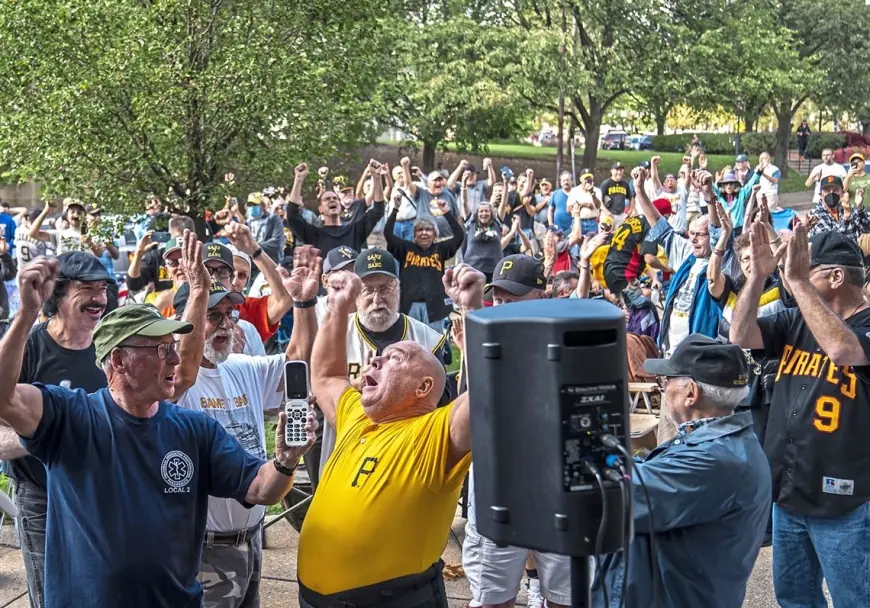
Members of the "Game 7 Gang" remember Bill Mazeroski as the selfless Pirates star who brought them all together. Team colleagues and Hall of Famers highlighted both the dramatic walk-off and Mazeroski’s quiet character; Jane Forbes Clark, Chairman of the National Baseball Hall of Fame and Museum, said he will be remembered for his character and brilliance on the field and extended deepest sympathies to his loved ones and to Pirates fans. Those memories join the public record as players and fans reflect on his role in the club’s pennant run.
Hall of Fame enshrinement and post-1972 statistical reassessment
Mazeroski’s reputation as a defender culminated in his election to the Hall of Fame, and the case for his defensive dominance has strengthened since his retirement after the 1972 season. Newer defensive statistical analysis has confirmed his work with the glove, and fellow Hall of Famer Joe Torre summed up his prowess plainly: "It’s pretty simple. He was the best I ever saw at turning a double play. " That assessment helped cement his standing as one of the game’s greatest second basemen.
Early life, signing in 1954 and rise by 1958
Born Sept. 5, 1936, in Wheeling, W. Va., Mazeroski attended high school in Tiltonsville, Ohio, and grew up a Cleveland Indians fan. Upon graduating high school in 1954, the prep shortstop signed with the Pittsburgh Pirates and was immediately converted into a second baseman. Two years later he reached the majors when he was recalled in July 1956 and stepped into the Pirates’ starting lineup; manager Bobby Bragan called him "the best young kid I ever saw" and predicted Mazeroski had the best chance to reach the Hall of Fame among the Pirates that year. By 1958 he was an All-Star and a Gold Glove winner.
Mazeroski finished as a 10-time National League All-Star and an eight-time Gold Glove Award winner, building a 17-year big league career defined by defense. What makes this notable is how a single historic moment—his Game 7 home run—has coexisted with a body of work whose value has only increased as defensive analysis evolved.
The Hall of Fame called on visitors to explore artifacts and exhibitions that keep stories like Mazeroski’s connected to the game, encouraging fans to show their support and take part in preserving baseball history.