











Olivia Colman remark about identifying as 'a gay man' sparks a sharp response from a Scottish lesbian group
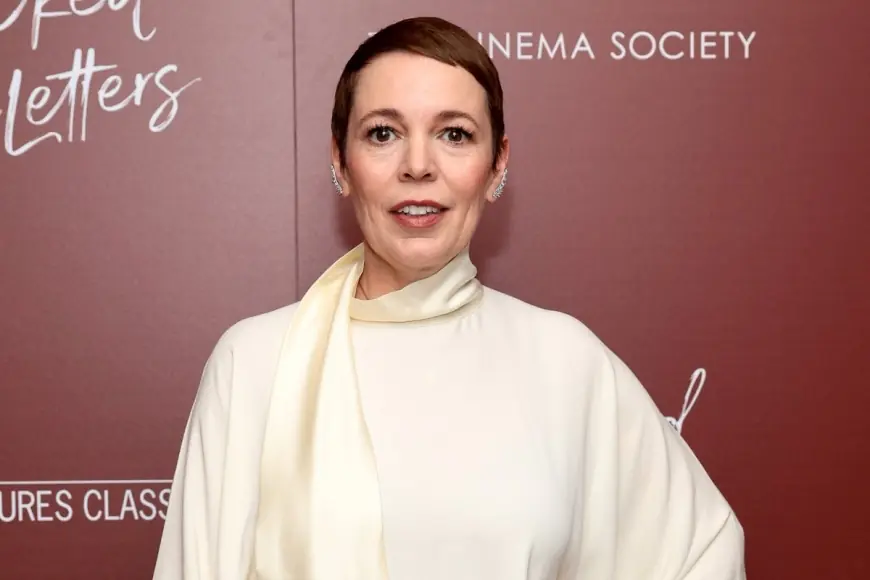
Who feels the impact first: a Scottish lesbian support group says its members do. The Fantastic Lesbians has published a two-page public letter on a social platform expressing that olivia colman’s recent comments — made while promoting the film Jimpa — were "deeply painful" and diminished struggles faced by gay and lesbian people. The group framed the reaction around differences between lived marginalisation and remarks from someone long viewed as heterosexual.
Olivia Colman and the reaction from The Fantastic Lesbians
The Fantastic Lesbians called out Colman after she described aspects of her identity in terms that the group found interchangeable with being gay. In a public two-page letter shared on social media, a spokesperson wrote that when someone who has lived publicly as heterosexual describes themselves in gay terms it can be hurtful for those who have faced real marginalisation for their sexuality. The group stressed that their letter was intended to express hurt rather than to accuse or attack.
What Colman said and where she said it
In an interview on 10 February while promoting Jimpa, Colman said she has long felt "sort of non-binary" and that she has never felt highly feminine. She described telling her husband that she thinks of herself as a gay man and said she feels at home with that self-understanding. Colman also said she feels a foot in various camps and referenced conversations with members of a queer community that made her feel less like an oddity. Her representatives have been contacted for comment.
How Jimpa frames those remarks
Jimpa, the film Colman was promoting when the comments surfaced, centers on a family with multiple queer members. Colman plays Hannah, whose non-binary daughter, Frances, wants to stay with their gay grandfather, Jimpa, in Amsterdam for a year. That decision forces Hannah to reconsider long-held parenting beliefs and the family stories she has told about them; the cast includes John Lithgow and Kate Box. The movie’s premise makes questions of identity and family dynamics central to the publicity moment where these remarks were made.
What the two-page letter lays out
The Fantastic Lesbians’ letter argued that, for many lesbian and gay people, sexuality is a journey often marked by confusion, fear, self-interrogation and alienation from family, faith communities or society. The group contrasted that with the ways heterosexuality is affirmed by media and family structures, and they noted that many heterosexual people never have to question their orientation or "come out. " The letter also said heterosexual people are not typically asked to justify their relationships or prove the legitimacy of their families, and it concluded by saying the group’s intention was to express hurt over the comments.
- Here’s the part that matters: the group framed the issue as one of lived experience versus a public figure's momentary self-description.
- Those directly affected are members of lesbian and gay communities who have faced marginalisation and whose histories include sacrifice and resilience.
- Signals that could change the conversation include further clarification from Colman, outreach between her team and community organisations, or additional public statements from the group.
- Public reaction may hinge on whether the exchange leads to dialogue that acknowledges distinct histories rather than erasing them.
What’s easy to miss is how much the context — a film about queer family dynamics and a high-profile interview — concentrates attention on identity language in ways that can amplify harm even when harm was not intended. The real question now is whether this exchange becomes a moment for listening and repair, or a lingering point of division.
Colman’s profile and personal details in the public record
Colman is 52 years old and is an Academy Award winner for her portrayal of Queen Anne in The Favourite. She also has Oscar nominations for roles in The Father and The Lost Daughter. Her television work includes playing Queen Elizabeth II and winning BAFTAs for roles in Broadchurch, Accused and the comedy Twenty Twelve. She has been married to husband Ed Sinclair for over 25 years; another account in the public coverage gives 2001 as the year they married.
The wider conversation is still evolving. Recent updates indicate the group has made its position public a lengthy letter and that the remarks originated in a film publicity interview; details may evolve if Colman or community representatives issue further statements.