






















England Vs Ireland rout forces immediate reckoning for players, coach and Twickenham supporters

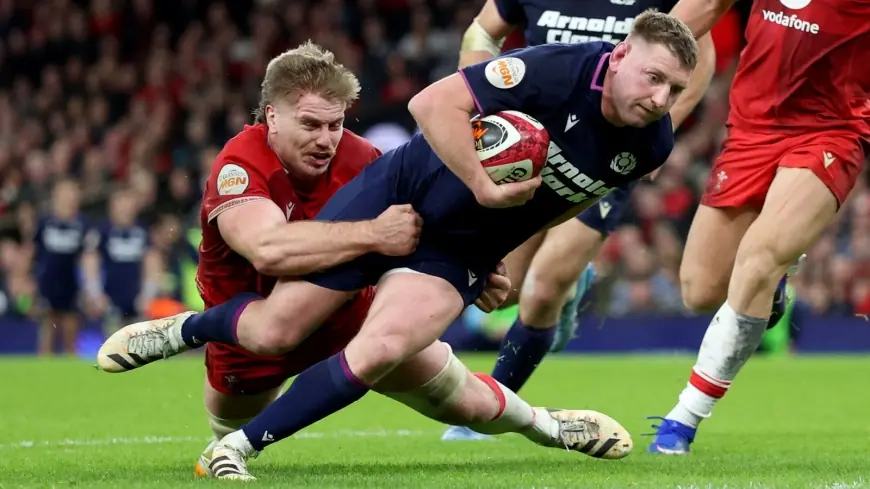
England Vs Ireland has delivered more than a single bad result — it has shifted pressure onto a squad, its leadership and the Twickenham crowd. The loss left players apologising to supporters and the head coach signalling changes ahead of a trip to Rome, while concerns about early-game collapses and key kicking decisions are already altering selection conversations and fan expectations.
Impact on the squad and supporters after England Vs Ireland
Here’s the part that matters: the immediate victims of this defeat are not just the tournament table position but confidence, perceived momentum and the relationship with a vocal home crowd. The vice-captain publicly apologised to fans and admitted the team had been swept up by pre-tournament hype. The coach described himself as deeply disappointed and indicated he will reassess personnel for the next match on the road.
Fan frustration crystallised around the fly-half after two penalties were kicked dead and attracted jeers, and that incident has intensified scrutiny of decision-making under pressure. Internally, the squad faces a short window to correct recurring issues that produced deep first-half deficits in consecutive fixtures; outside of the players, selection and tactical setup are already being questioned.
It’s easy to overlook, but the cumulative effect of two straight early collapses shifts how opponents will plan: teams now see exploitable patterns rather than an invincible run.
Event details and match thread — what happened on the day
The fixture at Twickenham ended as a record Irish win at the ground, a comprehensive five-try victory that left England reeling. The home side conceded a large first-half deficit again, repeating the pattern from the previous match which contributed to back-to-back defeats. Substitutions were made before half-time for tactical reasons and disciplinary moments included yellow cards for England players.
Numbers and personnel from the recent sequence (for clarity):
- Opening Six Nations fixture: England beat Wales 48-7 to extend a long winning run.
- Second match: a defeat away left England 31-20 down against their opponents, creating pressure entering the Twickenham clash.
- Twickenham match: England lost 42-21 in a sweeping performance by the visitors; the attendance was large and the result set a new record for victories at that stadium.
The head coach warned there is plenty of work to do and signalled that changes will be considered for the upcoming match in Rome on March 7.
Short Q&A on implications and the signals to follow
- Will selection change immediately? The coach has hinted at adjustments and a re-evaluation is expected ahead of the trip to Rome; how extensive those will be remains to be confirmed.
- What pressure points must be fixed? Early-game discipline, turnover control and the kicking contest are clear problem areas highlighted by consecutive first-half collapses.
- Which signs will indicate recovery? A cleaner opening 20 minutes, fewer turnovers and a steadier kicking performance would be strong indicators of short-term improvement.
The real question now is how quickly the squad can translate that assessment into selection and tactical changes that restore momentum and re-engage a sceptical home crowd.
Micro timeline (key sequence):
- Opening round: convincing home win that extended a multi-match unbeaten run.
- Subsequent week: a loss away that created a difficult position entering the next round.
- Twickenham: a record-setting defeat that prompted public apologies and talk of immediate changes; the next away fixture is scheduled for Rome on March 7.
Writer’s aside: What’s easy to miss is how quickly cumulative errors reshape a team’s identity — two poor starts in succession don’t just cost matches, they force an immediate change in how players and staff approach selection and preparation.