





















Henry Pollock to start as Borthwick reshuffles England for must-win Ireland clash

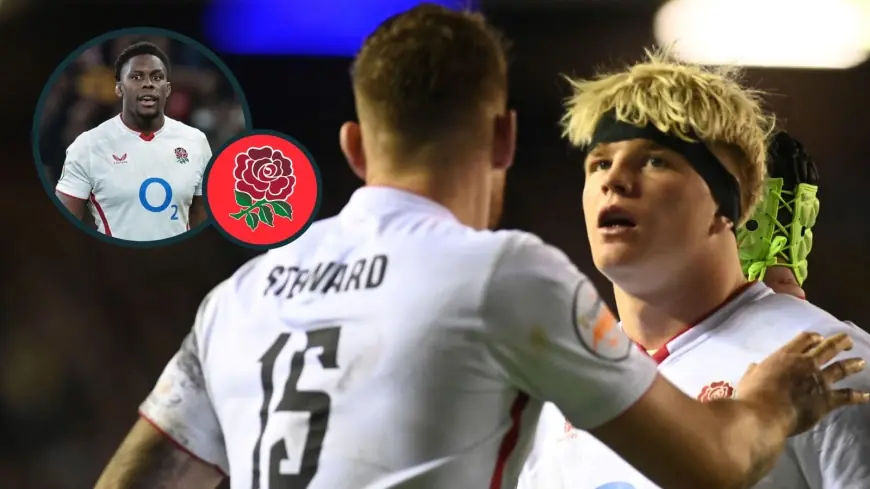
henry pollock has been given his first Test start as England make multiple changes ahead of a pivotal Six Nations meeting with Ireland. The selection is part of a wider reaction from head coach Steve Borthwick after a damaging defeat in Scotland and comes as Maro Itoje prepares to earn his 100th cap.
Development details
Following the loss in Murrayfield, Steve Borthwick altered his matchday 23 with three changes to the starting XV and two personnel swaps on the bench. Henry Pollock, a 21-year-old who is playing in his first full Six Nations campaign, will start in the back row for Saturday’s fixture. Borthwick also named Jack van Poortvliet and Marcus Smith on the bench, replacing Spencer and Fin Smith respectively, while Ollie Lawrence moves into the number 13 jersey with Tommy Freeman shifting out wide.
The match carries extra significance for captain Maro Itoje, who will make his 100th appearance in white. Borthwick consults regularly with Rugby Football Union director of performance Conor O'Shea — speaking with him four or five times a week about emerging talent — a channel that helped accelerate Pollock’s rapid rise from schoolboy standout to international starter. Pollock earned selection for the British and Irish Lions last year after a breakthrough season and will make his first Test start this weekend.
Henry Pollock: how the situation escalated
Pollock’s reputation has grown quickly. Highlights include a solo sprint from his own 22 for Northampton Saints Under-18s and a forthright post-match interview as an England Under-18 player that showcased a personality as much as his ability. That blend of on-field impact and off-field character has drawn attention at grassroots level and beyond, with young players imitating his celebrations and club merchandise reflecting his profile.
The reshuffle is a direct consequence of England’s performance in the previous round: defeat to Scotland prompted Borthwick to reconfigure personnel and tactics. Steve Borthwick’s decision to entrust a youthful back row with a Test start is one of several moves intended to restore momentum in the championship; another is the inclusion of Lawrence to add physicality in midfield.
Immediate impact
The selection affects several fronts. For Pollock personally, the start elevates him from promising talent to frontline contributor in a match England likely need to win to keep their title hopes alive. For the wider squad, three changes in the starting XV and two on the bench alter balance and bench versatility, with Marcus Smith providing cover at 23.
Other players’ situations were also shaped by recent incidents: Henry Arundell, cleared by an independent disciplinary panel after a red-card incident, retained his place for a third consecutive start but carries the weight of a sequence that included a hat-trick against Wales and his fourth try of the Championship alongside two yellow cards in the Scotland match. Meanwhile, Itoje’s milestone underlines the blend of experience and youth in the matchday group.
What makes this notable is the juxtaposition of Pollock’s rapid elevation with Itoje’s century of caps — a clear signal from management that youthful spark and seasoned leadership must combine to reverse course in the tournament.
Forward outlook
The immediate milestone is straightforward: the England side must deliver a strong performance in the weekend’s round-three fixture to keep championship ambitions alive. Ireland, whose selection features a group of experienced internationals, present a stern test; they have won four of their past five Six Nations meetings with England, making the contest critical in the tournament’s early run-in.
Confirmed next steps are the match itself on Saturday and the consequences that will follow depending on the result. Selection decisions already made — Pollock’s first Test start, Itoje’s centurion appearance and the altered bench composition — will be judged on their ability to produce an immediate uplift in performance and to arrest the momentum lost in Scotland.
The timing matters because England have only two home fixtures in this championship and cannot afford back-to-back setbacks; the outcome this weekend will therefore have a measurable effect on their remaining pathway in the Six Nations.