





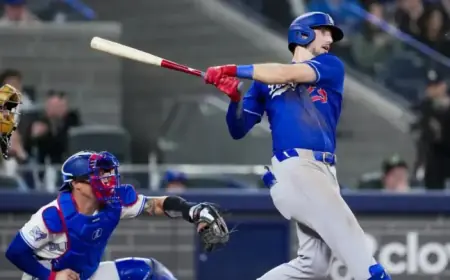

















Aaron Judge, Phillies Core and Mets Front Office Land on MLB Hot Seat After Insider Survey

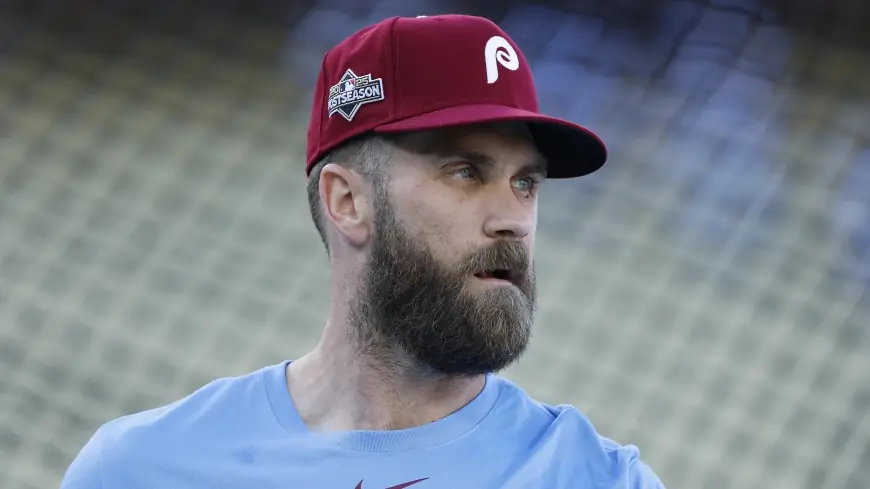
In a wide-ranging survey of 36 current and former executives, managers, coaches and scouts compiled by Jayson Stark, aaron judge and several other marquee players were identified as among those facing the most pressure entering the 2026 season. The findings matter because teams with expensive, aging cores or underperforming front offices could see swift consequences if postseason goals are not met.
Development details
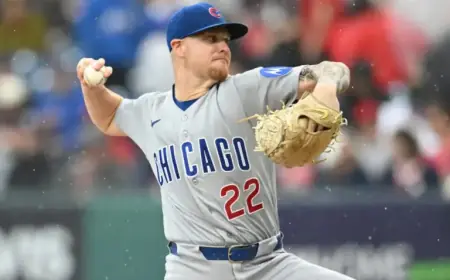
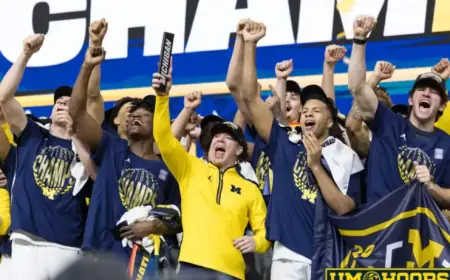
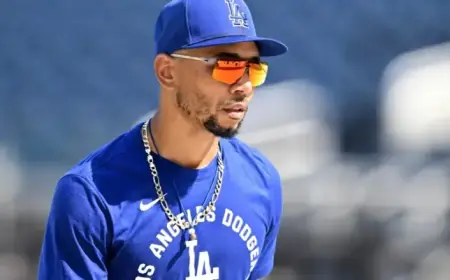
The survey tallied votes across three categories—teams/front offices/managers, managers alone, and rosters/core groups—and delivered concrete totals: the Philadelphia Phillies’ core led the roster category with 18 votes, the New York Mets’ front office and manager Carlos Mendoza combined for 13 votes, Aaron Judge and the Yankees received 10 votes, and Manny Machado and the Padres drew eight votes.
Officials and clubs have acted over the offseason in ways that shape the pressure landscape. Philadelphia extended key contracts: Kyle Schwarber signed a five-year, $150 million deal and J. T. Realmuto agreed to a three-year, $45 million contract; payroll projections place the Phillies’ estimated payroll near $284 million for 2026, with the team’s 10 highest-paid players all over age 30. The Mets undertook a roster sanitation project this winter and made sweeping staff changes, moves voters interpreted as a direct response to last season’s underperformance. Meanwhile, the Padres granted A. J. Preller a multiyear extension as president of baseball operations, a decision that observers say reduces immediate scrutiny on that franchise’s front office.
Aaron Judge and Yankees among those feeling heat
a ucking into the Yankees’ situation, voters cited the club’s perennial expectations and the spotlight that comes with the franchise’s history as reasons Judge and his teammates are repeatedly mentioned. The survey noted that Judge has produced standout seasons—metrics highlighted by insiders—but the Yankees have not reached the World Series since 2024, and a reliance on injured stars returning was factored into the tally. The team added Cody Bellinger on a five-year, $162. 5 million deal and expects pitchers such as Gerrit Cole, who missed all of 2025 after Tommy John surgery, to return and shift the team’s outlook for 2026.
Context and escalation
The pressure on Philadelphia has accumulated as on-field results and roster construction have diverged. The Phillies have increased their regular-season win total in four straight campaigns and posted 90-plus wins in each of the past three seasons, yet postseason outcomes have regressed: a World Series loss in 2022 was followed by an NLCS exit in 2023 and consecutive NLDS eliminations in 2024 and 2025. Voters repeatedly flagged the group’s age—several core players are about to or already are 33, Realmuto is nearing 35 and ace Zack Wheeler turns 36 in May—as a central cause for the heightened scrutiny. One executive drew a comparison to the final season of Dave Dombrowski’s Detroit teams, describing the current trajectory as eerily similar.
For the Mets, the combination of one of baseball’s highest payrolls—figures in prior analysis pointed to a roughly $340 million backdrop—and back-to-back seasons without a postseason appearance has been framed as intolerable by some insiders. The club’s winter overhaul and the firing or restructuring of coaching staffs have been read as signals that ownership expects immediate improvement, and that failure could trigger organizational repercussions beyond player personnel.
Immediate impact
The survey’s results place tangible pressure on specific actors: the Phillies’ veteran core must translate regular-season success into deeper October runs or face roster re-evaluation; Mets president of baseball operations David Stearns and manager Carlos Mendoza find the front office and managerial posts under close watch; and aaron judge and the Yankees are again framed as a roster that needs to capitalize on available talent and returning health. Voters identified managerial security as fragile in several places—one executive singled out Mendoza’s situation after his staff was overhauled—and noted that owners have little patience for repeated postseason absence when large payroll commitments are in place.
What makes this notable is the convergence of aging rosters, big-dollar contracts and limited postseason progress, creating a narrow margin for error for teams that expected prolonged contention.
Forward outlook
The near-term timeline is driven by the 2026 regular season, when these judgments will be tested. Confirmed milestones include the return of key injured players—Gerrit Cole’s availability after Tommy John surgery is part of the Yankees’ offseason calculus—and the impact of offseason contracts and extensions already finalized. Clubs that received the most votes face a simple metric: deeper postseason success this season would ease pressure; another early exit or missed playoffs would likely prompt more substantive organizational action.
League insiders will be watching win totals, postseason qualification and front-office maneuvers closely as measurable indicators of whether the teams singled out in the survey can alter their current trajectories.