






















Josh Oluwayemi own-goal triggers managerial exit and forces rapid Wellington Phoenix reset

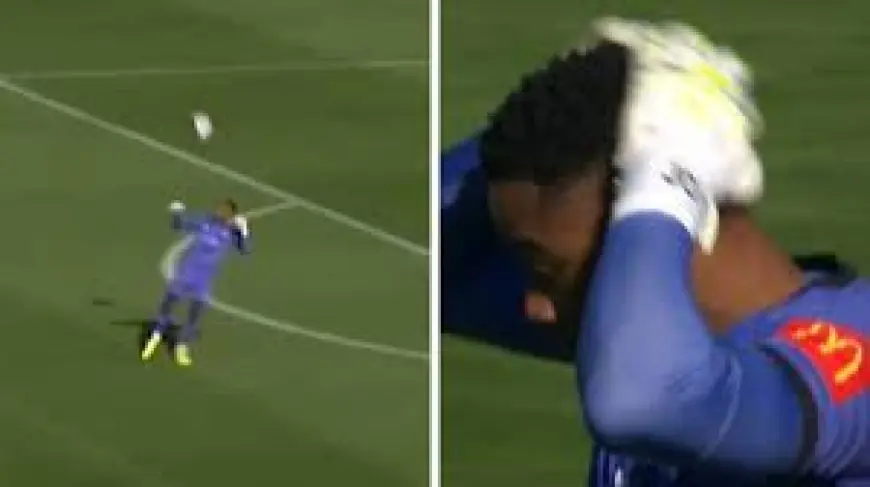
The fallout lands on the club more than the single mistake: josh oluwayemi’s extraordinary own goal set off a 5-0 home defeat that immediately reshaped the Wellington Phoenix’s short-term plans. With the manager stepping down after the game, the squad must cope with lost momentum, a shaken back line and an urgent need for clearer leadership before the season’s remainder.
Josh Oluwayemi and the immediate consequences for team leadership and morale
The most obvious consequence is managerial change. The head coach chose to resign with immediate effect after a result he judged unacceptable; that decision hands whoever is next the task of stabilizing a group that has failed to win in its last five outings and now sits outside the upper positions they occupied earlier. What’s easy to miss is that the departing coach had overseen both a high finish in one campaign and a later slide in league position, leaving the new appointment to manage both legacy expectations and a fragile dressing-room mood.
Here’s the part that matters for supporters and club executives: the loss is not only on the table as a mark against the current campaign, it creates operational pressures — selection, goalkeeper confidence, and short-term tactics — that must be addressed before fixtures pile up. The real question now is whether the club can secure a steadying influence quickly enough to prevent the slump from deepening.
Match fallout and key match facts (context and micro-timeline)
Rather than walking through every minute, these verified points show how the game unfolded and why the result produced immediate change.
- Own goal: A long clearance was misjudged by the Wellington goalkeeper, who headed the ball into his own net from well outside the penalty area.
- Goalkeeper substitution: The keeper was substituted at half-time and replaced by Alby Kelly-Heald, with the coach making a straight personnel change to try to restore calm.
- Scoreline swing: The visitors led 4-0 at half-time despite registering only three shots on target in that period; the match finished 5-0.
- Scorers and momentum: One visiting player scored just before half-time to extend the lead, while another completed a brace with a second goal that exploited the goalkeeper being out of position; a later strike in the second half added to the margin.
- Broader pattern: The visiting side has won every derby meeting to date, and the result narrowed the gap behind the league leaders to a single point.
These items explain why a single error — however dramatic — became the catalyst for an immediate leadership change rather than a contained talking point.
Operationally, the incoming coach will inherit several immediate tasks: restore goalkeeper confidence after the substitution and high-profile mistake, reorganize a defense that conceded multiple goals before half-time, and arrest a run of matches without a victory. Because the team finished strongly in one past campaign but slumped in the most recent season, the new coach will also be judged against both short-term results and the longer arc of expectations.
What the club does next will signal intent: a quick interim appointment focused on steadying results suggests risk-aversion; a search for a high-profile permanent replacement signals a willingness to reshape the project. Either route must contend with fixture congestion and the psychological impact of a heavy home defeat.
It is worth noting that this sequence—an unforced error triggering a collapse and managerial resignation—is uncommon but not unheard of; the immediate resignation tightens the timeline for decision-makers and magnifies the pressure on players who must respond quickly on the pitch.
The real test will be whether the squad regains composure in the next fixtures and whether the club prioritizes rapid stabilization over sweeping changes.