



















Alysa Liu Completes Unlikely Comeback, Wins Women’s Olympic Figure Skating Gold

alysa liu reclaimed the pinnacle of women’s figure skating on Thursday at the Milan-Cortina Games, delivering a personal-best total of 226. 79 points to take the Olympic gold medal. The victory ends a long gap for American women in the singles event and follows a comeback that began after she briefly left the sport.
Development details: How Alysa Liu Won Women’s Figure Skating Gold
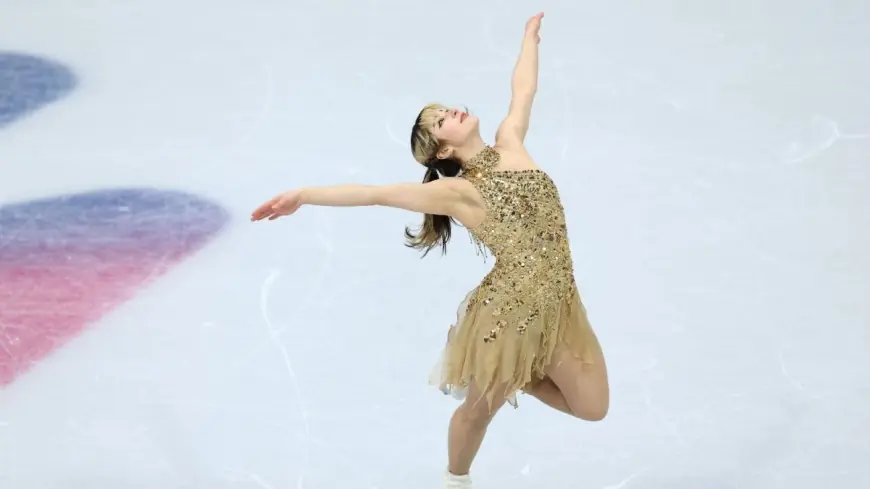
After placing third in the short program, Alysa Liu rose to first with a free skate characterized by technical precision and buoyant artistry. Her total winning score was 226. 79 points, a career best at the sport’s highest stage. In the free skate she registered a segment score of 150. 20, executing seven triple jumps and earning career-high marks for choreography, musicality and skating skills while performing to Donna Summer’s rendition of "MacArthur Park. " She did not attempt a triple axel in the long program, a jump that some competitors included, nor did she attempt a quadruple toe loop that another skater performed in the event.
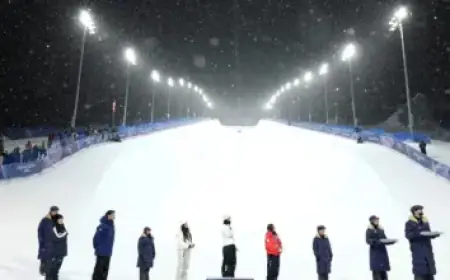
Liu, 20, of Oakland, California, will leave these Games with two Olympic gold medals; her first came in the team competition. Japan secured the silver and bronze medals, with Kaori Sakamoto taking silver at 224. 90 points in what was her final competition before retiring, and 17-year-old Ami Nakai earning bronze with 219. 16 points after slipping from the short-program lead.
Context and pressure points
The victory capped an unusual arc in Liu’s career. She had stepped away from competitive skating after the 2022 Beijing Olympics, citing burnout following a demanding early run through elite ranks. In the intervening period she pursued life off the ice and enrolled at university, only to return to competition after rediscovering her appetite for skating. On her comeback she assembled a team of former coaches and insisted on retaining creative control over music, costumes and training decisions.
What makes this notable is that Liu became the first American woman to win an individual Olympic singles title since a 2002 champion, and the first to reach the Olympic podium in the event since a 2006 silver medalist. The timing matters because it reverses a two-decade drought for U. S. women in Olympic singles skating and does so with a skater who paused her career and then rebuilt it on her own terms.
Immediate impact
The result directly reshapes the medal landscape at these Games. Liu’s triumph displaced earlier leaders from the short program and guaranteed a U. S. presence atop the podium in the sport’s marquee individual event. Her relaxed, expressive free skate connected with judges on both technical and artistic lines; the performance emphasized completeness rather than the highest-difficulty jump content that other contenders used.
Beyond medals, Liu’s visible celebration—clapping from the leader’s seat, embracing rival skaters and rejoicing with her coaches—sent a message about competitive temperament and the value athletes place on ownership of their programs. Her win also coincides with Sakamoto’s planned retirement, marking a generational handoff at the top of women’s skating.
Forward outlook
With the Olympic competition concluded for the event’s final placements, immediate milestones include the formal closing of the skating program at the Games and the retirement of at least one fellow medalist. For Liu, confirmed next steps are limited to leaving these Games with two gold medals and building on the performance that earned her the title. The matter remains under review for long-term career decisions; any future competitive schedule will be announced by her camp when she chooses to make it public.
The broader implication is that a return to sport, when managed on an athlete’s terms, can produce elite-level results. Liu’s comeback has combined selective technical choices with heightened artistic scores to deliver a winning formula at the Olympics, and that balance will be closely watched by athletes and coaches plotting future programs and competitive priorities.