
















Eric Dane died at 53 after spending his final months trying to 'move the needle' on ALS

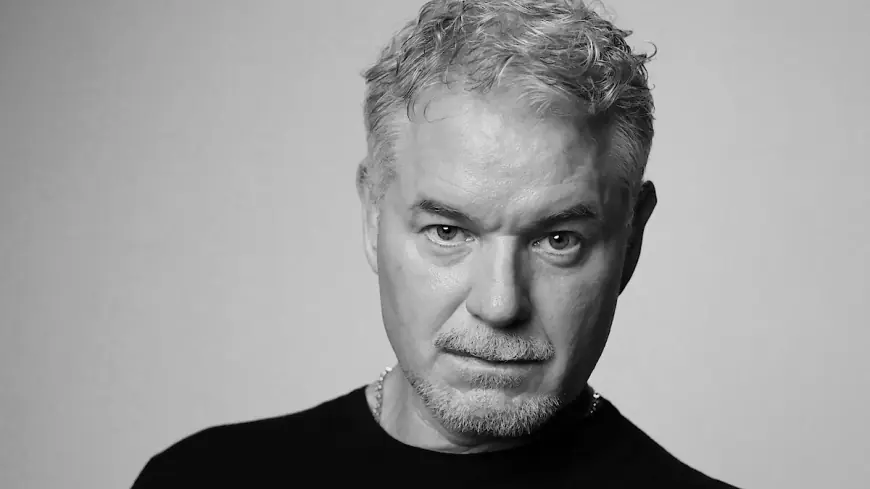
Eric Dane has died, 10 months after confirming he had been diagnosed with amyotrophic lateral sclerosis (ALS). His last months were devoted to fundraising, awareness and a national campaign seeking greater federal research support for the disease.
Development details: Eric Dane’s final months and confirmed actions
The actor, aged 53, publicly disclosed an ALS diagnosis earlier in the year and died roughly 10 months after that disclosure. He spent the period that followed actively raising money and attention for the rare, incurable condition, which leads to progressive paralysis of the muscles.
In September he helped launch a three-year campaign aiming to secure more than $1 billion in federal funding for ALS research. He introduced himself in a campaign video as an actor, a father and a person living with ALS, stressing the urgency of pushing toward an end to the disease. By December he had joined the board of directors of an organization dedicated to ALS research and was credited with helping one of its campaigns surpass a fundraising target of $500, 000.
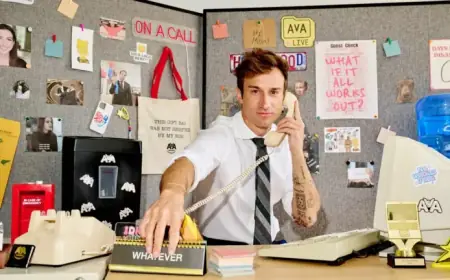
He continued to use performance work to highlight the condition, appearing on a medical drama in November as a firefighter struggling to accept help after an ALS diagnosis. He described taking on the role as challenging but cathartic, and in published remarks said, "I'm trying to save my life. " He was also named among 100 people recognized for influence in health.
Context and pressure points
ALS, the most common form of motor-neurone disease, causes the loss of the nerve cells that control voluntary muscle movements; over time patients lose the ability to speak, eat, walk and breathe independently. Medical treatments and technologies can improve quality of life, but no cure exists.
Eric Dane rose to widespread recognition for his television work, notably appearing in more than 100 episodes of a long-running hospital drama as Dr Mark Sloan. That visibility gave him a platform that he redirected toward advocacy once diagnosed, combining public appeals, board-level engagement with research organizations and creative work that placed the disease in mainstream storytelling.
Immediate impact
The immediate effects are both personal and programmatic. Family and colleagues are contending with a loss after a brief, public fight with a debilitating illness. For the ALS community, the actor’s involvement had translated into fresh funding momentum and broader public awareness at a moment when advocates were seeking large-scale federal commitments.
His engagement helped accelerate a fundraising campaign that had already cleared a six-figure milestone and brought attention to barriers that people with ALS and researchers face. The veteran campaigners and research groups with whom he worked now carry forward the efforts he helped amplify.
Forward outlook
The three-year federal funding campaign that he helped launch remains in its early phases and continues to pursue its multi-year funding goal. Near-term, the campaign will advance its scheduled initiatives and fundraising drives; the research organization’s board membership now proceeds without him among its active participants.
What makes this notable is that the timing of his advocacy coincided with the formal start of a sustained federal push, giving that effort an unusually high-profile voice in its formative weeks. The broader implication is that his public profile converted into measurable fundraising gains and visibility for ALS at a moment when advocates were seeking to build momentum for large-scale research investment.
As the campaign continues toward its planned milestones, the confirmed facts are that Eric Dane used his final months to focus attention and resources on ALS research and care, joining organizational leadership and contributing to fundraising successes before his death.