




















Alysa Liu’s Comeback Gold Rewrites the U.S. Women’s Singles Record at the 2026 Games

Why this matters now: alysa liu didn’t just win a competition — she closed a long American gap in Olympic women’s singles and left the season with two gold medals. That outcome immediately reshapes headline narratives around U. S. women’s figure skating, elevates a young champion’s artistic credentials and forces rival skaters and federations to reassess technical and program priorities.
Alysa Liu’s victory: who feels the effect and how
Her gold — earned with a personal‑best 226. 79 points — is the first Olympic singles gold for an American woman since 2002 and the first American singles medal since 2006. The immediate effect is symbolic and practical: it restores a historic benchmark for U. S. singles skaters and reframes how performances that favor artistic marks can win at the highest level. Here's the part that matters: Liu combined technical polish with unusually high scores for choreography, musicality and skating skills, making a strong case for balanced programs.
- U. S. record line moved: first American singles gold since 2002; first American singles medal since 2006.
- Competitive profile: Liu left the Games with two gold medals, the earlier one in the team event.
- Scoring signal: a 226. 79 total, a career best in the sport’s premier event, rewarded artistic marks alongside clean jump content.
- Field dynamics: Japan earned both silver and bronze (224. 90 and 219. 16), showing continued depth from that country.
- Program choices matter: Liu did not attempt the triple axel or a quadruple toe loop, yet landed seven triple jumps and secured top artistic scores.
It’s easy to overlook, but Liu’s path to gold included a comeback narrative: she had stepped away from the sport after the 2022 Beijing Olympics and returned to claim this top prize. That arc adds weight to how her performance will be interpreted by peers and fans.
Event details embedded in the implications
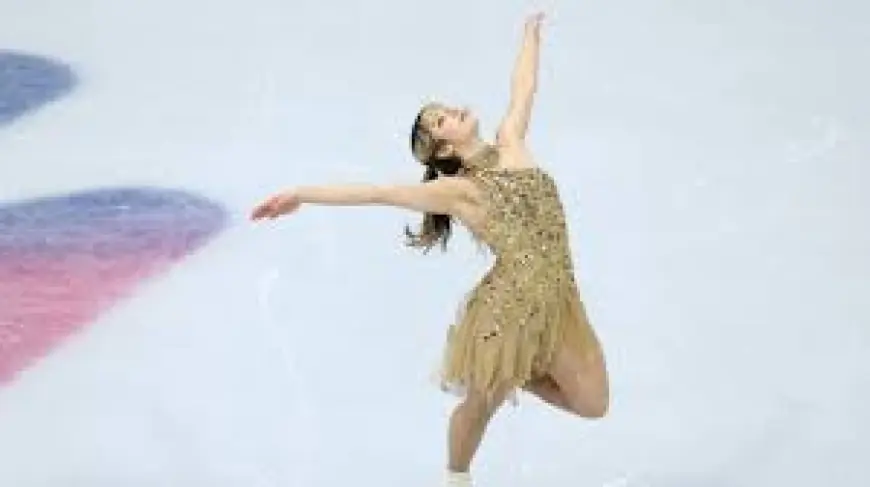
After placing third in the short program, Liu rose to first in the free skate and the overall standings. Her free program, performed to "MacArthur Park" as sung by Donna Summer, was described as relaxed and liberated; judges rewarded her with career‑high marks for artistic components such as choreography, musicality and skating skills. Technically, she landed seven triple jumps in the program but did not include a triple axel or a quadruple toe loop — elements attempted by other competitors like Ami Nakai, Amber Glenn and Adeliia Petrosian.
Japan supplied the silver and bronze: Kaori Sakamoto took silver with 224. 90 points in what was her final competition before retiring; Ami Nakai, 17 and making her Olympic debut, won bronze with 219. 16 after slipping from first in the short program.
Her age and origin are part of the profile: Liu is 20 and from Oakland, Calif. The free skate performance produced a winning score of 226. 79 — a personal best in the context of this Olympic competition.
The real question now is how rival teams will respond to a gold won without the sport’s most extreme technical elements but with unusually strong artistic marks. If other competitors shift their program construction toward that balance, the scoring conversation at future championships is likely to change.
Mini timeline:
- After the 2022 Beijing Olympics, Liu stepped away from the sport.
- She returned and won a team gold earlier in these Games.
- She secured the women's singles gold at the Milan‑Cortina Games with 226. 79 points.
Key takeaways:
- Liu’s title ended a long stretch without an American woman atop the Olympic singles podium.
- The victory combined clean jump execution (seven triple jumps) with career‑high artistic scores.
- Japan finished strongly with silver and bronze, including a retiring champion taking silver.
- Several skaters attempted higher‑risk elements (triple axel, quadruple toe loop) that Liu did not include; outcomes varied.
Writer’s aside: What’s easy to miss is how rare it is for an athlete to leave the sport and return to win Olympic gold; that trajectory will be a major part of how this victory is remembered.
Recent updates indicate these details are settled in the official results; some surrounding storylines — how training approaches or program selection will shift — will play out after the Games.