
























Russian Fighter Jets Escorted Out of Alaskan ADIZ After NORAD Scramble

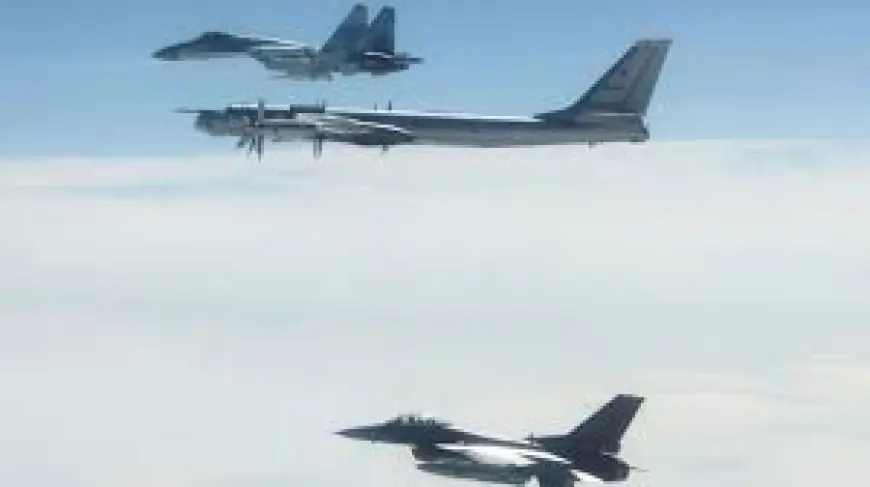
NORAD scrambled U. S. fighters on Thursday after russian fighter jets and other Russian military aircraft were detected off the western coast of Alaska near the Bering Strait, and the aircraft were escorted until they departed the Alaskan Air Defense Identification Zone, NORAD said on Feb. 20, 2026 at 5: 32 p. m. EST.
Jets and tankers launched to meet Russian aircraft
Two Tu-95 bombers, two Su-35 fighters and an A-50 spy plane were identified inside the Alaskan ADIZ, and NORAD launched two F-16s, two F-35s and four KC-135 tankers to intercept, positively identify and escort the Russian aircraft, NORAD said; the command posted photos on social media showing the escort as the aircraft left the area. The Russian planes did not enter U. S. or Canadian sovereign airspace, NORAD said, and the escort ended once the aircraft had departed the ADIZ.
Russian Fighter Jets tracked near the Bering Strait
The Alaskan ADIZ begins where U. S. and Canadian sovereign airspace ends, and NORAD described the zone as a defined stretch of international airspace that requires ready identification of all aircraft for national security; russian fighter jets and the accompanying bombers and spy plane were tracked in that buffer region off the western coast of Alaska on Thursday, prompting the multi-aircraft response. NORAD said the activity was a regular occurrence and was not considered a threat.
Similar intercepts in recent years
U. S. forces have scrambled for similar Russian flights in recent years: fighter jets were sent to intercept Tu-95s and Su-35s in September 2025, an IL-20 COOT reconnaissance plane was intercepted four times in one week last August, and a 15‑second NORAD video from September 2024 showed a Russian fighter flying close to a NORAD aircraft; in July 2024, both Russian and Chinese bombers were intercepted after entering the Alaskan ADIZ.
NORAD said the Thursday escort was completed when the Russian aircraft left the Alaskan ADIZ, and the command stated it remains ready to employ a layered defense network of satellites, ground-based and airborne radars, and fighter aircraft to detect and track aircraft in the region.