























Prince Andrew Arrested in UK on Suspicion of Misconduct in Public Office as Questions of US Accountability Grow

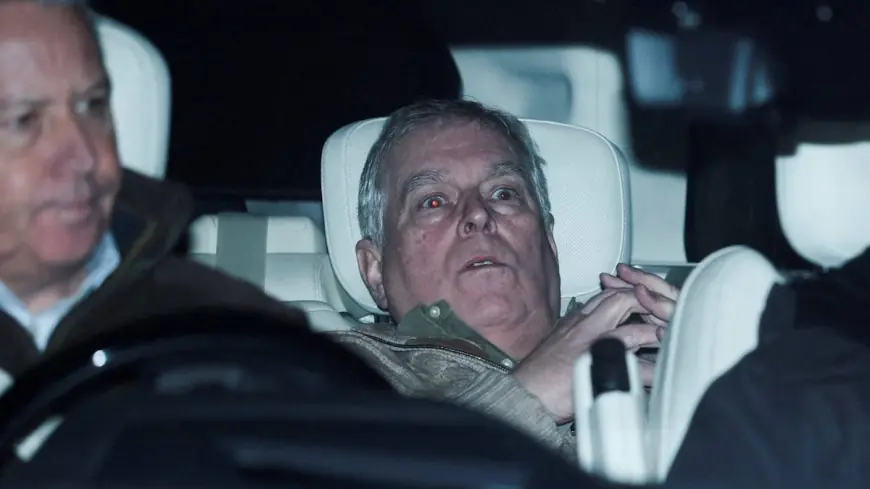
Prince Andrew was arrested on suspicion of misconduct in public office and later released under investigation after an 11-hour custody period. The development has prompted active police searches, inquiries of his former protection officers, and public discussion about how the United Kingdom has handled files tied to Jeffrey Epstein compared with responses in the United States.
Prince Andrew: arrest, release and legal status
The former prince was taken into custody on suspicion of misconduct in public office before being released and returned to Sandringham. His detention lasted 11 hours before he was freed under investigation, which means he is not charged but remains subject to inquiry and free to go as he pleases while enquiries continue.
Officials are assessing a complaint that centers on the alleged sharing of confidential material connected to the Epstein files. The former prince has previously denied any wrongdoing in relation to Epstein and has not responded to requests for comment on the specific allegations tied to the recent release of millions of files.
At the same time, a statement from the monarch stressed that the law must take its course. The government is said to be considering legislation that could remove the former prince from the line of succession as the investigation proceeds.
Police actions, searches and witness inquiries
Police activity has included an ongoing search of the former royal residence at Royal Lodge in Windsor, with officers expected to continue searches into the coming days. Investigators have also reached out to the former protection officers assigned to him, asking them to consider whether anything they saw or heard while working for him might be relevant to the enquiries.
Those procedural steps—searching a private residence and interviewing protection staff—underscore the operational phase of the inquiry. At this stage the matter is active and developing, and details about the specific evidence under review have not been publicly specified.
UK action and the broader accountability debate with the United States
The arrest has sparked commentary contrasting the United Kingdom's investigative moves with the handling of related material in the United States. Observers in some coverage framed the UK response as demonstrative of robust accountability, while noting that equivalent consequences have been less visible in the US context.
The debate has also reached political levels beyond the immediate investigation, with commentators raising questions about whether political figures and institutions in the United States have faced similar scrutiny or consequences for names appearing in the files. These comparative judgments have sharpened public interest in how different systems pursue allegations tied to the same cache of material.
What happens next
Legally, the former prince remains released under investigation, meaning investigators can continue to gather evidence, interview witnesses and decide whether to bring charges. Continued searches at Royal Lodge and further engagement with protection officers indicate active evidence-gathering. Any change in legal status would follow from the outcomes of those enquiries.
Politically and institutionally, the case has elevated conversations about succession, royal oversight and cross-border ramifications of the files at the center of the investigation. The government consideration of legislative options to alter succession status signals that the implications could extend beyond criminal processes into constitutional and legislative territory.
Recent updates indicate that details may evolve as investigators continue to work and decisions are made about next steps in both the legal and political arenas.