
















Noah Jupe and Sadie Sink’s Romeo & Juliet Is Poised to Pull New Audiences Into the West End


Theatregoers should be ready for a crossover moment: noah jupe and Sadie Sink are bringing their on-screen followings to a condensed West End run that leans hard into youth, timing and immediacy. A recent magazine profile shows the pair positioned as a contemporary, emotionally charged take on Romeo & Juliet that deliberately courts viewers more familiar with TV and film than modern Shakespeare — and that matters for ticketing, staging and how the run is received.
Noah Jupe’s casting signals a push toward younger, film-savvy audiences
Expect the production to trade some traditional theatre architecture for intimacy and momentum. The choice of noah jupe alongside Sadie Sink functions as an explicit bridge: both performers arrive with recent high-profile screen work and media moments that create pre-show buzz. The creative team seems determined to keep the pace moving and to present the lovers as palpably young, which changes how scenes will breathe and how audiences will connect.
Here’s the part that matters: this is not just casting for marquee value. The director frames the play as a study in fragile timing — a strand the production highlights by setting the story in a "version of now" Verona and citing stories about missed connections as inspiration. What’s easy to miss is how that philosophical choice reshapes small staging decisions, from prop timing to scene transitions, and therefore the audience’s real-time experience.
- The production opens at the Harold Pinter Theatre next month and is scheduled to run for 12 weeks only (schedule subject to change).
- The two leads had a brief chemistry read of about an hour and later reunited for a full photoshoot; they describe having little spare time together before rehearsals.
- The director’s intent is a contemporary take on Verona, with narrative momentum and an emphasis on coincidence and timing rather than lingering on tragedy.
- Early indicators that will matter: ticket velocity in the first weeks and critical responses to whether the youthful casting translates into sustained theatrical interest.
Production details and the immediate runway to opening
The adaptation will place Romeo and Juliet in a modernized Verona, leaning on the idea that small timing shifts change destiny. The creative lead has drawn inspiration from narratives about missed chances to underline how fragile the chain of events is — if timing shifts only slightly, outcomes would differ. The show’s advertised cast includes Clare Perkins as Nurse, John Marquez as Friar Laurence and Clark Gregg as Capulet, with Sadie Sink and Noah Jupe in the title roles.
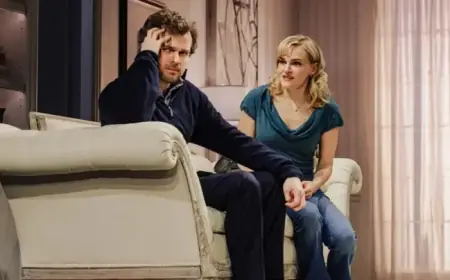
Staging choices appear aimed at emotional proximity: the production is described as intimate and focused on young, believable performers whose immediacy is central to the storyline. The two stars were photographed together in relaxed, cinematic settings that present them as a convincing romantic pair and as performers prepared to translate screen chemistry to the stage.
The pair’s recent career moments are part of the narrative around the play: one lead is wrapping a long-running television chapter, the other arrives fresh from a film success and international travel. Both report compressed prep time — a short chemistry session and promotional commitments — which frames audience expectations about the rehearsal runway and the production’s initial shape.
The real question now is how quickly that pre-show momentum converts into sustained box-office and critical momentum over a limited 12-week engagement. Early weeks will be telling for whether this blend of screen fame and a tightly directed theatrical concept can deliver the emotional clarity the director seeks.
What the production makes plain is that contemporary Shakespeare in the West End is increasingly a live experiment in audience-building: pairing screen-famous young leads with a director intent on a single conceptual through-line. If those elements align in performance and marketing, this staging could become a reference point for future cross-medium casting.
The bigger signal here is how staging choices that prioritize timing and youthful immediacy could reshape expectations for high-profile, short-run productions.