





















Celtic Vs Vfb Stuttgart: Schmeichel in spotlight after 4-1 home defeat in Europa League play-off first leg

The Europa League knockout tie at Parkhead ended in a 4-1 home defeat that left Kasper Schmeichel under heavy scrutiny and raised fresh questions about the host side's immediate prospects. The celtic vs vfb stuttgart first leg result matters now because it leaves the tie heavily tilted and coincides with growing unrest among supporters.
What happened and what's new
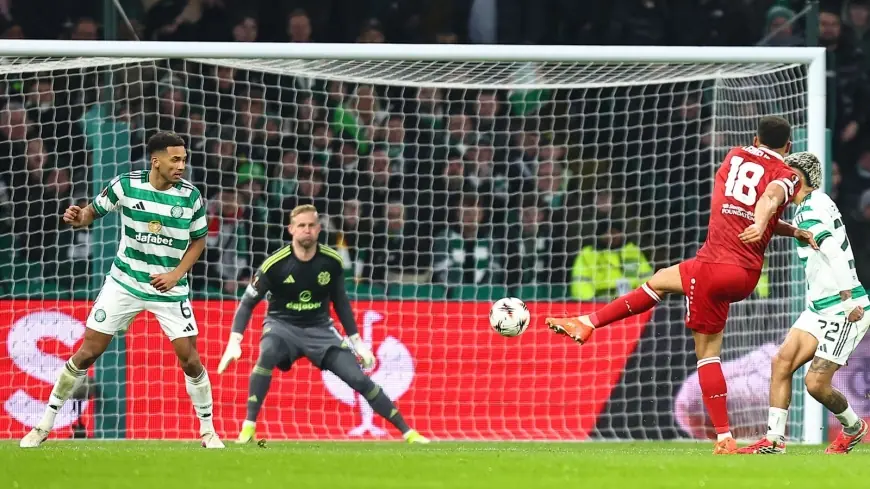
The match finished 4-1 in favor of the visitors. The home goalkeeper was judged to have been at fault for two of the conceding goals. He was beaten to his left by a tame shot from Bilal El Khannouss for the opening goal, and a headed goal from close range accounted for a second. A long-range strike by Jamie Leweling then passed through the 39-year-old goalkeeper for the visitors' third, and Tiago Tomas added a fourth late on.
Supporters protested against the club's board at the start of the game, and the atmosphere remained fractious; there were later moments when fans cheered the goalkeeper for making a save despite the overall dissatisfaction. The interim manager described the evening as a collective failure while defending the goalkeeper's wider contribution, noting earlier match-saving interventions during his tenure. Former players and figures connected to the club voiced concern over perceived trends in recent matches that have included mistakes identified in prior fixtures.
Celtic Vs Vfb Stuttgart — Behind the headline
Context: The result is part of a sequence of high-profile European and domestic matches that have recently placed pressure on the squad and staff. The club will travel to Germany for the return leg, described in commentary as an "unlikely salvage mission, " with two domestic fixtures — a home match against Hibernian and an away match against Rangers — scheduled either side of that trip.
Incentives and constraints: The immediate incentive for the home side is to overturn a three-goal deficit in the return leg while stabilizing form in the domestic league. Constraints include a damaged team morale after a heavy home loss, visible fan discontent, and the time pressure created by a congested schedule.
Stakeholders and leverage: Key stakeholders include the players, interim management, the supporter base, and the club board. The goalkeeper at the center of attention faces reputational risk and immediate performance pressure; the interim manager must balance public defence of the player with internal demands for improvement; and protesting fans are applying public pressure on governance and team performance.
Consistent elements: Multiple accounts of the match emphasize the same sequence of goals, the goalkeeper's direct involvement in at least two conceded goals, and fan protest at the start of the game. Divergent or unclear elements relate to the distribution of responsibility across the match as a whole versus isolated individual errors.
What we still don't know and what happens next
- Missing pieces — The full scope of any internal decisions about selection or personnel changes ahead of the return leg is unconfirmed.
- Missing pieces — Details of any disciplinary or structural responses from the club board following fan protests are not confirmed.
- Missing pieces — The extent to which the result will prompt tactical or lineup changes for the upcoming domestic matches is unconfirmed.
- Scenario 1 — Recovery and tactical reset: The team responds with lineup or tactical adjustments for the return leg; triggers include visible changes in team selection and a different defensive approach.
- Scenario 2 — Managerial consolidation: Interim management publicly backs key players while deploying short-term fixes to stabilize results; trigger would be managed messaging combined with conservative team selection.
- Scenario 3 — Escalation of unrest: Continued poor results or limited improvement in the return leg could amplify fan protests and intensify scrutiny of the board; trigger would be another heavy defeat or perceived insufficient response from leadership.
- Scenario 4 — Focus shifts to domestic recovery: The club prioritizes league fixtures over European rescue, aiming to rebuild confidence in matches immediately before and after the Germany trip; trigger would be a stronger domestic performance.
Why it matters: The outcome has immediate competitive implications for European progression and practical consequences for squad morale, supporter relations, and the interim manager's roadmap. Near-term implications include intensified selection pressure on the goalkeeper and potential strategic recalibration ahead of consecutive high-stakes fixtures. Longer-term ripple effects could affect public trust in leadership and the club's ability to manage simultaneous European and domestic demands.