





















Mens Curling Final: Britain’s rink reaches gold match after Mouat’s decisive shot sinks unbeaten Swiss

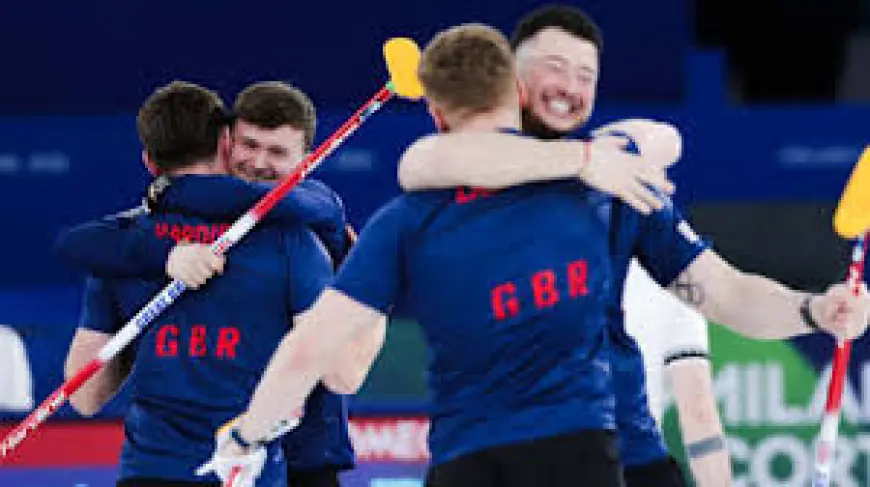
Great Britain advanced to the mens curling final by beating the previously unbeaten Swiss team 8-5 in a tense semi-final, setting up a gold-medal match with Canada on Saturday. The win hinged on a dramatic seventh-end play by skip Bruce Mouat and a sixth-end steal that shifted momentum in Britain’s favour.
What happened and what’s new — Mens Curling Final
In a semi-final that followed a fraught path through the round-robin stage, the British men emerged with an 8-5 victory that booked their place in Saturday’s championship match against Canada. Britain reached the knockout rounds only after a late round-robin result left their qualification in doubt; an Italian loss to Switzerland in the final group-stage game opened the path for the British side.
The match turned in Britain’s favour in the sixth end when they stole a score after the Swiss vice skip missed a difficult hammer shot. The defining moment came in the seventh end, when Mouat executed a complex run-back triple takeout that deprived Switzerland of a likely three-point haul and instead left the Swiss needing a single point. Britain then scored two in the following end to lead 6-5 going into the 10th, ultimately closing out the 8-5 win.
Behind the headline
The victory caps an emotional sequence for the British rink. The four players have been described as a tightly knit unit with a clear Olympic objective, and they carry the weight of a previous silver-medal finish at the prior Games. Their route into the final came after a round-robin scare, but team leaders had pledged a different approach for the knockout phase and executed under pressure in the semi-final.
The semi-final was played before a vocally partisan crowd, many of them travelling supporters who amplified the atmosphere with songs and instruments. The Swiss squad arrived at the semi-final unbeaten in group play and had recently added an experienced coach to sharpen their approach; that setup made Britain’s comeback and tactical execution in key ends particularly significant.
What we still don’t know
- The outcome of the Mens Curling Final on Saturday: who will win the gold remains undecided.
- Specific tactical adjustments either team will make for the final beyond the broad momentum shifts seen in the semi-final.
- Any lineup or health changes for either team ahead of the championship match.
- The final’s on-ice dynamics under championship pressure and whether the semi-final momentum will carry through.
What happens next
- Britain secures Olympic gold — trigger: the team reproduces the shot-making and clutch play seen in the semi-final, particularly from its skip and sweepers.
- Canada wins in regulation — trigger: Canadian shot-making or tactical control limits Britain’s scoring opportunities and controls the hammer in late ends.
- Tight match decided in extra ends — trigger: both teams trade single points late in regulation, requiring an additional end to decide the title.
- Momentum shift before the final — trigger: a tactical or lineup change announced by either side or a visible swing in crowd influence that alters the rhythm of play.
Why it matters
The match carries layered significance: for the British quartet it is an opportunity to upgrade a prior silver finish and to complete a longer-term goal that has driven their team formation and competitive arc. The contest also represents a test of whether a side that nearly failed to qualify from the round-robin can convert late resilience into tournament-clinching execution. For the sport, the pairing of Britain and Canada in the championship spotlights established rivalries and peak-level shot-making; for viewers, the semi-final already drew substantial attention and the final will further concentrate spectatorship and national interest.
Near term, the result will shape national narratives about the team’s legacy and could affect attention on international curling competition in the seasons ahead. The match outcome will also influence how both teams are assessed for tactical depth, shot-making under pressure, and the role of crowd energy in decisive Olympic moments.