























Celtic Vs Vfb Stuttgart: Schmeichel in Spotlight as Hosts Suffer Heavy 1-4 Europa League Defeat

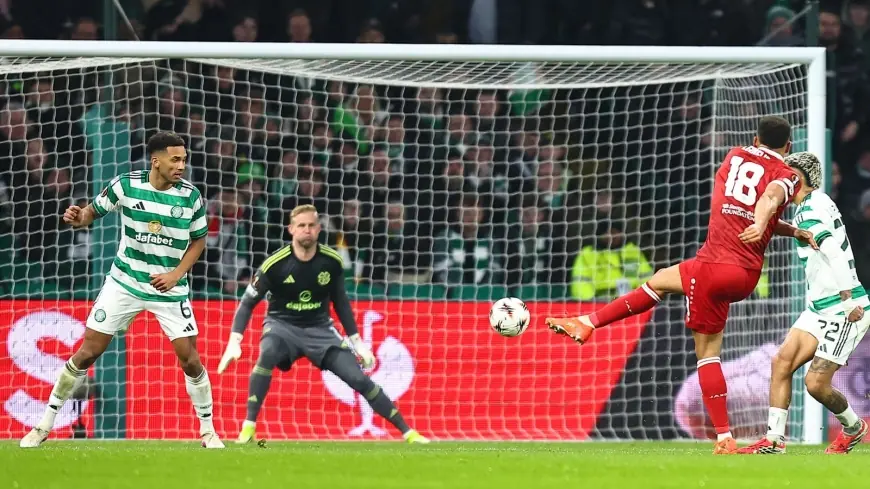
The Europa League play-off first leg between celtic vs vfb stuttgart ended in a damaging 1-4 home defeat, leaving Celtic with an uphill task ahead of the return. The result placed the club's goalkeeper at the centre of scrutiny and amplified tension among supporters at Parkhead.
What happened and what’s new — Celtic Vs Vfb Stuttgart
Celtic conceded four goals at home in the first leg of their Europa League knockout play-off, with Stuttgart scoring through an initial Bilal El Khannouss effort and later goals that compounded a poor evening for the hosts. One of the visiting strikes, described as a powerful distant shot, passed through the goalkeeper, and a late effort by Tiago Tomas added a fourth. Celtic scored once but the 4-1 deficit is the clear headline from the match.
The club’s goalkeeper was widely noted for involvement in at least two of the conceded goals. Commentators and former players highlighted positional and reaction issues, and a number of earlier mistakes from recent matches were referenced when assessing his performance. The atmosphere at the stadium was fractious: fans protested against the club board at kickoff and later mixed jeers with ironic applause during brief positive moments for the goalkeeper. The interim manager framed the result as a collective failure while also pointing to previous crucial saves made by the same goalkeeper during earlier matches that kept the team in competition.
Behind the headline
The immediate context is a knockout European fixture where a large home defeat significantly reduces Celtic’s margin for error in the tie. The goalkeeper’s errors were singled out as decisive moments in the match, and commentators suggested opponents may see specific weaknesses to exploit. There is also a recent pattern of perceived mistakes by the same goalkeeper mentioned when assessing form and confidence.
Key stakeholders include the goalkeeper, the interim manager, the playing squad, and the club’s board — the latter already the focus of supporter unrest at the start of the game. Short-term schedule pressures are visible: the club has domestic fixtures against Hibernian and Rangers surrounding the return leg in Germany, which raises questions about recovery, selection and priorities.
What we still don’t know
- Whether the goalkeeper will retain the starting position for the return leg in Germany.
- Any internal decisions the club board might make in response to the protest actions and the heavy defeat.
- Detailed medical or fitness information for players that could affect selection in upcoming domestic and European matches.
- Specific tactical changes the interim manager will implement for the return match.
- Whether the match officials or disciplinary processes will be involved in any post-game reviews.
What happens next
- Scenario 1 — Damage limitation and tactical tweak: The manager could make defensive and positional changes to shore up the side for the return leg; trigger: selection changes and altered defensive setup.
- Scenario 2 — Goalkeeper rotation: The club might opt for a different goalkeeper to restore confidence; trigger: official team announcement naming a different starter.
- Scenario 3 — Rally and recovery: Players respond positively in domestic fixtures to build momentum and head to the return leg with improved form; trigger: wins or improved performances against Hibernian and Rangers.
- Scenario 4 — Board-level scrutiny intensifies: Continued supporter unrest combined with poor results could increase pressure on the club leadership; trigger: further protests or public statements from board members after subsequent matches.
- Scenario 5 — Early European exit: If the return leg goes badly, the tie could end Celtic’s European campaign; trigger: another multi-goal deficit or failure to overturn the aggregate score.
Why it matters
The immediate practical impact is sporting: a 1-4 home loss leaves Celtic with a substantial deficit to overcome to progress in Europe. For individuals, the goalkeeper’s performance has become a focal point for criticism and support, with implications for selection and confidence. For the club, the combination of on-field setbacks and fan unrest increases scrutiny of management and board decisions, potentially affecting morale and short-term planning. Near-term fixtures in the domestic league now take on added significance as opportunities to steady the team before the return leg.