

























Fanny Smith: Sharp Criticism of Livigno’s Olympic Setup — and a Hard-Won Silver

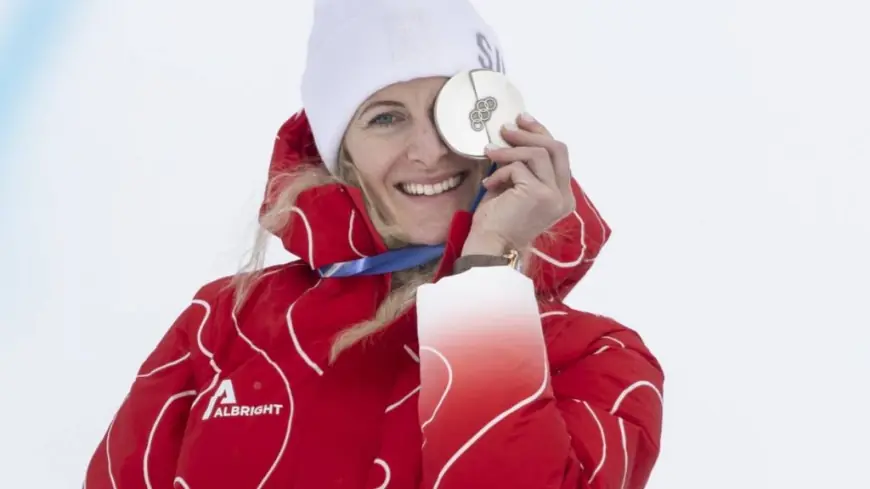
fanny smith, competing at her fifth Olympic Games, combined public criticism of the Livigno setup with a podium finish, taking silver on a long, physically demanding skicross course. The contrast between organizational complaints and competitive success has become the dominant storyline for the Swiss team.
Fanny Smith: criticism of the Livigno Olympic experience
Fanny Smith expressed strong dissatisfaction with how the Olympic experience in Livigno has been staged. She highlighted broken promises about spectator infrastructure, noting the promised tribune was missing. Smith also said she was particularly disappointed that evening medal ceremonies were not being held; she recalled the significance of such moments from earlier Games and pointed out that a small stage in town could have accommodated a ceremony.
Her frustration was echoed by teammates. A senior male teammate criticized the same organizational shortcomings and said the setting did not feel like the Olympics. On the course itself, Smith judged the women’s track to be too simple for an Olympic event, calling it sad that such an easy course had been built for the Games. After earlier test days some changes had been made and one teammate said those adjustments introduced a few new difficulties, but several easy passages remained.
Observations about conditions went beyond layout: athletes noted the snow was very slow, which made racing brutally exhausting and demanded work from start to finish. That shared physical toll underpinned criticism of both venue atmosphere and course design.
Silver on the long course: sporting outcome and race details
The women’s final on Livigno’s long, energy-sapping course produced a tight battle. An initial leader lost momentum over the many waves and was relegated to third, while Fanny Smith moved forward and pressed the eventual winner but could not find a decisive gap. At the line the leading trio were tightly bunched; one finalist from France did not enter the medal fight.
The result gave Smith her third Olympic medal in her fifth Games, adding silver to prior bronze medals from earlier editions. Her path to the podium came after a difficult preparation period: she had battled inflammation in her back muscles and deliberately skipped World Cup races to conserve energy. On this long course, that management of workload paid off with a medal.
Other Swiss competitors had mixed fortunes. One compatriot missed the final in a photo finish and took fifth in the small final; another finished seventh. Two teammates were eliminated earlier in the quarterfinals. Observers noted the course’s low overall speed required active acceleration across each wave, amplifying fatigue over the full distance.
What the weekend leaves behind
The weekend left an uneasy balance for the Swiss delegation: organisational criticism of the Livigno experience sits alongside concrete sporting success. The men’s competition at the same venue is scheduled to decide medals separately, and assessments of the track diverge sharply by gender—women voiced concerns about simplicity, while male athletes praised the course as enjoyable to race.
For fanny smith, the day combined the emotional weight of Olympic ritual—missing in Livigno this time—and competitive vindication on a punishing course. The juxtaposition of a podium result with public complaints about the event’s staging is likely to shape team discussion and attention on operational details for the remainder of the Games. Recent developments may continue to evolve as the program proceeds.