




















Baby Monkey Punch Finds Comfort in Stuffed Orangutan After Being Rejected by Mother

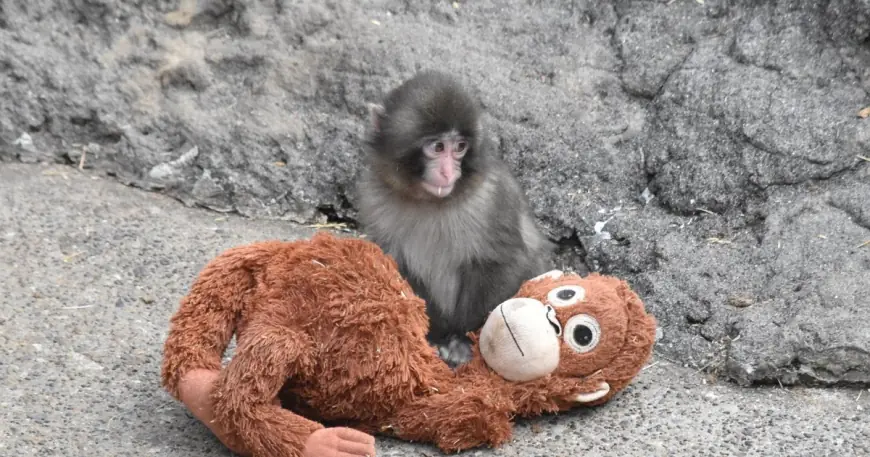
A six-month-old macaque known to visitors as Punch has become attached to a stuffed orangutan after his mother rejected him at birth, drawing widespread attention and sympathy. The story of the baby monkey punch matters because it highlights how zoo staff used targeted caregiving and behavioral strategies to raise and reintegrate an abandoned infant.
What happened and what’s new
Punch, a male Japanese macaque born on July 26, 2025, was abandoned by his mother and subsequently raised by zookeepers at Ichikawa City Zoo in Chiba Prefecture, east of Tokyo. He weighed 500 grams at birth and was hand-reared by staff members who said the mother, exhausted from a first birth in summer heat, showed no signs of care. From the day after birth, keepers began feeding and tending to him.
Because infant macaques typically cling to their mother’s fur for comfort and to build muscle, staff sought substitutes. They tried rolled towels and several stuffed animals; Punch took a particular liking to an orangutan plush, which he clutched, slept with and dragged around the monkey mountain enclosure. Zookeepers described the toy as serving as a surrogate mother.
The team deliberately raised Punch near the scent and sounds of other monkeys to aid later reintegration. After a period of gradual acclimation, Punch was fully reintroduced to the troop on January 19. Initially, other monkeys were wary and Punch sometimes struggled when approaching them while still holding the stuffed toy. Visitors captured photos and video of him shortly after the reintroduction, and the zoo introduced him on its official account on February 5; that initial post was reshared thousands of times and spurred a wider online response.
Behind the headline: Baby Monkey Punch
Zoo staff, including keepers Kosuke Shikano and Shumpei Miyakoshi, emphasized deliberate caregiving choices. They eschewed sole reliance on an incubator in favor of keeping Punch close to the troop’s sensory environment so he could learn social cues and eventually integrate. The stuffed orangutan’s fur texture and monkey-like appearance were cited by staff as likely factors in why Punch accepted it as comfort.
Staff also noted behavioral realities within the troop: infants can be cared for by other mothers in some cases, but no other adult stepped in for Punch at birth. The reintroduction process reflected a balance between protecting the infant while promoting natural socialization with the troop over time.
What we still don’t know
- Whether Punch will fully integrate into the troop on a permanent basis without continued human intervention.
- The long-term psychological effects, if any, of early separation from his biological mother.
- How the troop’s hierarchy might change as Punch matures and whether other adults will assume caregiving roles.
- Specific timing or plans for any further interventions by keepers if Punch faces ongoing ostracism.
What happens next
- Continued gradual integration: Keepers may keep monitoring Punch’s interactions and incrementally increase unsupervised time with the troop if signs of acceptance grow.
- Targeted social support: Staff could encourage positive interactions by placing Punch near tolerant adult monkeys during feeding or resting periods to foster bonding.
- Fallback human care: If ostracism persists or Punch’s health or development is at risk, keepers may temporarily separate and provide more intensive human caregiving while attempting later reintroduction.
- Behavioral enrichment adjustments: The zoo might rotate comfort items or introduce other enrichment that encourages social play with troop members while preserving the comfort object as needed.
Why it matters
The case illustrates practical challenges in captive animal care when natural maternal behavior fails. For zookeepers, the immediate goal is balancing animal welfare with promoting species-typical social development; for visitors and the public, Punch’s story has humanized those efforts and generated empathy. Near-term implications include careful monitoring of Punch’s social progress and potential adjustments to husbandry practices used for hand-reared infants.
Beyond this single troop, the episode may inform how other facilities approach similar abandonment cases, particularly choices about sensory exposure to conspecifics during hand-rearing and the use of surrogate objects. For Punch, the stuffed orangutan remains both a comfort and a visible sign of the adaptive steps taken by staff to support an abandoned infant’s transition back into a social group.