

















Olympic Medal Count: Norway’s Youth Model, Team USA Medalists and the Feb. 19 Tally

Olympic Medal Count updates for the 2026 Winter Games were refreshed Thursday, Feb. 19, with data noted as accurate at 5: 00 p. m. ET. Athletes from more than 90 countries are competing across 116 events over 16 days, and the evolving medal standings matter because they reflect both current performance at the Milano Cortino Winter Olympics and longer-term national sport systems that produce champions.
Olympic Medal Count: Standings as of Feb. 19, 2026
Organizers and credentialed journalists are keeping a running tally of every nation that finishes on the podium. The schedule spans 116 medal events across a 16-day program, and the published standings were noted as accurate at 5: 00 p. m. ET on Thursday, Feb. 19, 2026. With more than 90 countries represented, the medal table remains the primary daily snapshot of which nations are converting entries into podium finishes.
Broadcast coverage of the Games is being presented across a major U. S. broadcaster’s suite of networks and on its streaming service, with live and same-day windows for many competitions. On-the-ground reporting is focused on medal results, event scheduling and athlete stories that shape the headline standings.
How Norway’s Youth Sports Model Built A Winter Olympics Dynasty
Norway is described as dominating the Winter Olympics and leads the all-time Winter Olympics medal count with more than 400 medals. The nation—home to roughly 5. 6 million people, a population comparable to the Philadelphia metro area—was on pace to top the medal table for a third consecutive Winter Olympics (2018, 2022, 2026).
The explanation offered for Norway’s sustained success centers on a youth sports philosophy designed to maximize participation and long-term development rather than early specialization. Hallmarks of this model listed for review include:
- No scorekeeping until age 13
- Participation trophies for every child
- No travel teams in early childhood sport
- No early specialization in a single sport
- No national championships for children
- No online rankings for young athletes
- Typical annual cost per child usually does not exceed $1, 000
Those design choices are tied to a reported youth sports participation rate of 93% in Norway—nearly 40 percentage points higher than the rate cited for the United States. Observers link that broad participation base to the country’s ability to identify and develop talent across many disciplines, contributing to deep medal returns at the Winter Games.
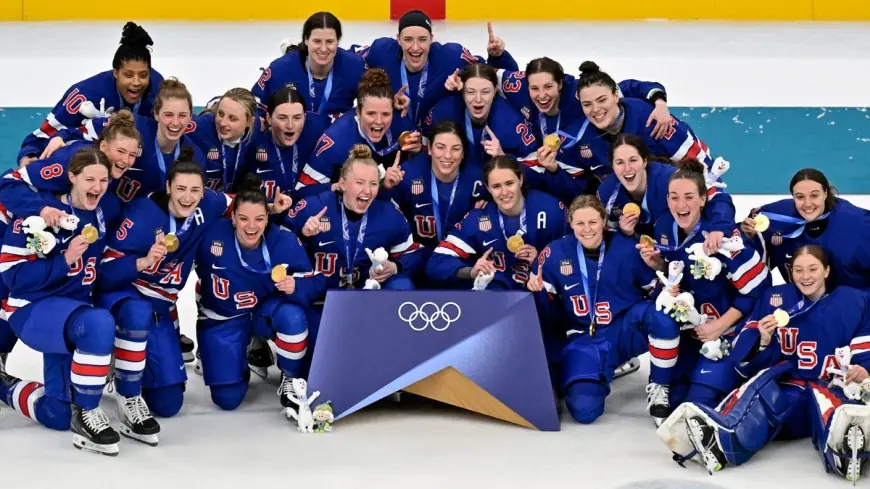
2026 Winter Olympics: Meet the Medalists from the United States
A dedicated team of journalists on the ground in Italy has been following Team USA closely, producing behind-the-scenes profiles of the athletes competing at the Milano Cortino Games. Coverage has emphasized every medal win, big moment and triumphant finish while spotlighting individual medalists and the narratives that accompany podium performances.
With a dense schedule of 116 events, the U. S. delegation’s medalists emerge event by event; coverage aims to contextualize each result within the broader medal table and the daily Olympic rhythm. For readers tracking the Olympic Medal Count, that means the standings are both a running scoreboard and a window into how national systems, coaching, and athlete stories combine to produce podium days.
What’s next: the medal table will continue to update as remaining events conclude over the 16-day program. Data timestamped at 5: 00 p. m. ET on Feb. 19, 2026 captures one point in the competition; final positions will only be settled when all medal events are complete. Recent updates indicate trends and national strengths, but details may evolve as later sessions deliver more podium finishes.