























Gubanova: Haemmerle Edges Grondin Again in Photo-Finish at Milano Cortina

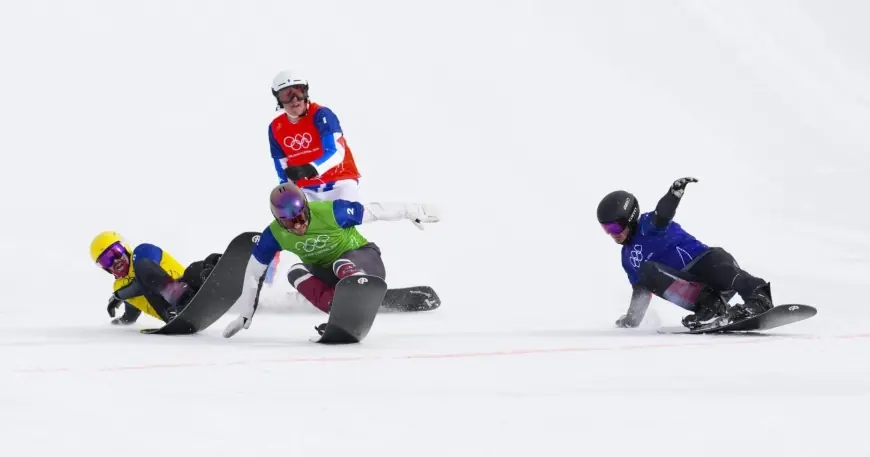
gubanova The latest turn of events in men’s snowboard cross at the Milano Cortina 2026 Winter Olympic Games saw Austria’s Alessandro Haemmerle win consecutive Olympic titles, narrowly defeating Canada’s Éliot Grondin in a dramatic final at Livigno Snow Park on Thursday afternoon. The repeat finish — separated only by hundredths of a second — reinforced an intense rivalry that has now produced near-identical outcomes at two Olympics.
Margins, momentum and the Livigno run
Haemmerle took the big final ahead of Grondin, with Austria’s Jakob Dusek finishing third and France’s Aidan Chollet coming fourth. The gap that denied Grondin the gold this time was measured in three-hundredths of a second on the Livigno course; two-hundredths had separated the pair at the previous Olympics in Beijing. The Livigno Snow Park race unfolded over a roughly 1, 100-metre packed-snow course featuring banked turns, berms and rollers, with fog noted as a factor during the afternoon.
Grondin, the reigning world champion from Sainte-Marie, Que., entered the final among the favourites. He had shown impressive starts in earlier rounds and carried momentum through the day, but did not secure his first lane choice for the big final. That influenced his tactical approach: he chose not to lead from the front in the hope of using another racer’s speed into the bottom of the course, and he said he focused on blocking the Austrians when they were close behind.
Gubanova and the rivalry’s ripple effects
The contest extended a high-stakes duel between Haemmerle and Grondin that has played out in successive Games. Haemmerle’s victory completes a back-to-back Olympic sweep in this demanding, unpredictable discipline. For Grondin, the second silver of his Games career adds to a prior Olympic bronze earned in the mixed team event in 2022.
Other notable performances on the day included Aidan Chollet registering the fastest times in earlier heats and being seeded first, Jonas Chollet making an Olympic debut, and American veteran Nick Baumgartner, at age 44, finishing seventh and describing the experience as freeing rather than pressuring. Baumgartner also indicated plans to continue competing toward the next Games in France.
What remains unclear
- Exact official timing details across different mentions show variation; precise split-time reconciliation for the final is not presented here.
- How the fog and specific lane assignments quantitatively affected start advantages and final positions is not fully detailed.
- Longer-term plans for the principal athletes beyond the immediate Games — outside a stated intent by one veteran to continue — are not exhaustively outlined.
Realistic next steps and triggers
- Grondin seeks another major title: if he retains top form in upcoming world events, he could chase a future Olympic gold; a clear signal would be dominant results in season-level competitions (timing not confirmed).
- Haemmerle builds legacy: further victories at world championships or season finals would cement his consecutive Olympic success into sustained dominance.
- Chollet brothers’ progression: continued development and podium finishes in major events could position the younger French riders for future finals.
- Veteran persistence: Baumgartner’s plan to aim for the next Games in France would become concrete with formal qualification results in the lead-up season.
Importance: The narrow margins in these finals underline how snowboard cross is decided by tiny differences in starts, lane choice and on-course positioning. For athletes and national programs, the results will influence selection priorities, tactical preparation for variable weather and emphasis on starts and sprint speed. For spectators, the repeat photo finishes amplify the storyline of a continuing rivalry at the heart of the event.
gubanova