





















Sheinbaum Points to Substitutes as Sergio Mayer Takes Indefinite Leave to Join La Casa De Los Famosos

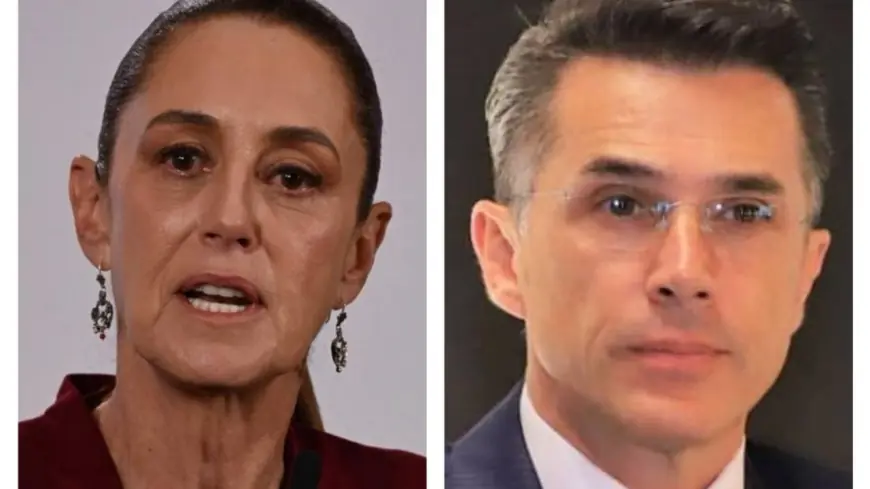
Deputy Sergio Mayer has been granted an indefinite leave from his legislative duties to participate in La Casa De Los Famosos, a decision that the president framed as covered by the existing substitute system and said she will address further next week. Mayer has defended his departure as an effort tied to culture and the social reach of reality programming while his substitute begins to occupy his congressional functions.
Political mechanics and immediate facts
The plenary of the Chamber approved an indefinite license for the deputy, effective beginning Tuesday, February 17, clearing the way for his participation in the sixth season of the reality series. The deputy entered the show as a surprise contestant, appearing in the production wearing black, and is currently isolated inside the program’s house. He previously took part in the first-season Mexican version and reached the finale there.
President Claudia Sheinbaum was asked about the move and emphasized the existence of substitutes for deputies, noting that when a legislator steps away a designated alternate takes over the role. Sheinbaum also indicated she will address what could happen with both opposition objections and internal allies next week.
La Casa De Los Famosos as a platform — Mayer’s public justification
Mayer has publicly framed his decision as tied to the importance of Latin culture and the communicative potential of reality shows. In a recorded message and a written column he presented the shows as a form of social experiment and argued they offer novel ways to interact with audiences. He said he requested the indefinite license from Congress so he could participate fully in that experiment, and he expressed confidence in his alternate, Luis Morales Flores, to continue the political agenda associated with his movement.
Backlash emerged quickly: a colleague highlighted that Mayer’s congressional office appeared empty, mocking the absence, and users on social media criticized the deputy’s choice, with some calling for stronger responses. Mayer’s defenders and critics have continued to exchange views across public channels.
What remains unclear and what to watch
- Length of Mayer’s absence and any formal return date are not specified.
- Whether the leave will convert into a resignation or remain an open-ended license is not confirmed.
- The precise scope of authority delegated to the substitute while the deputy is on leave needs clarification.
- How party leadership will resolve internal disagreements or public criticism is pending; the president signaled a discussion next week.
Near-term scenarios and triggers
- Substitute assumes full legislative responsibilities for the duration of the leave — trigger: continued approval of the license by the legislative body.
- Party leadership issues a formal position or disciplinary action if public or internal pressure escalates — trigger: mounting internal objections or coordinated opposition demands.
- Deputy returns after a short stint if political costs outweigh benefits — trigger: sustained negative public reaction or strategic recalculation by the deputy.
- Leave becomes a longer-term absence or resignation if the deputy elects to remain in the entertainment sphere — trigger: personal decision announced by Mayer or formal resignation filing.
- President and allies negotiate adjustments to party messaging or legislative priorities in response to the controversy — trigger: planned discussions flagged for next week.
Why this matters: the episode crosses the boundaries between public office and entertainment, raising questions about representation, accountability, and the mechanisms that allow alternates to assume elected duties. It also puts internal party discipline and messaging under scrutiny ahead of a scheduled internal discussion by the president. For constituents, the key immediate consequence is that an alternate will perform the deputy’s duties while the license is in force; for the broader political class, the case creates a test of how institutions and parties manage high-profile absences tied to nonpolitical pursuits.