






















Medal Count: Midgame Analysis of the 2026 Winter Olympics Standings and Norway’s Youth Sports Edge

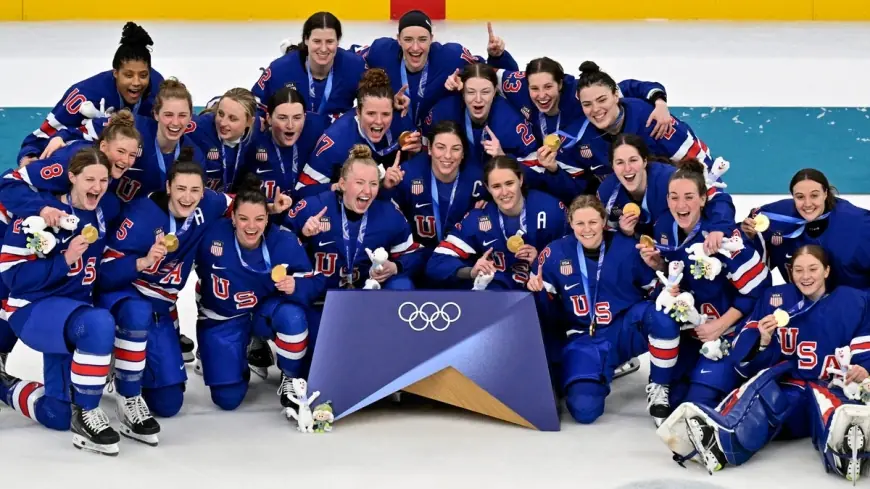
As of the morning of Thursday, Feb. 19 ET, the medal count at the 2026 Winter Olympics continues to shift as athletes from more than 90 countries compete across 116 events staged over 16 days. Data used for this snapshot are accurate as of Thursday, Feb. 19, 2026 at 5: 00 p. m. ET. The evolving tally matters because it reflects immediate competitive momentum and highlights how different national systems convert participation into podium results.
Medal Count snapshot and why it matters
The running medal count is a live measure of which teams and athletes are finishing on the podium as the Games progress. With dozens of events still to unfold across the remainder of the program, the current standings provide a provisional picture: who is performing now, where momentum is building, and which delegations are positioned to benefit from later events. The tally also feeds media coverage and public interest, shaping attention for individual athletes and national delegations — including the roster representing the United States.
How Norway’s youth sports model built a Winter Olympics dynasty
Norway’s dominance at recent Winter Games is tied directly to a youth sports approach described as intentionally low-pressure. The model features no scorekeeping until age 13, participation trophies for everyone, no travel teams, no early specialization, no national championships for children, and no online rankings. Annual costs for children in that system are typically capped near one thousand dollars. The outcome is a very high participation rate — noted at 93% — which the context contrasts with a much lower rate in the United States by nearly 40 percentage points. That pipeline is credited with producing sustained depth across winter sports and has coincided with Norway leading the all-time Winter Olympics medal count with more than 400 medals and being on track to top the medal table across multiple recent Games.
These program features offer a clear incentive structure: broad access and long-term development rather than early separation and elite tracking. The immediate consequence visible in the medal count is robust national depth, meaning Norway can convert broad participation into podium finishes across many disciplines.
Stakeholders, incentives and who stands to gain or lose
Key stakeholders include national sporting systems, young athletes and their families, and national teams that must prioritize where to invest training and funding. Nations with high participation rates and low-cost entry points benefit from a wider talent pool; athletes benefit from less early specialization and potentially longer careers; federations that emphasize early talent selection may face pressure to justify that approach if medal returns lag. Broad media attention on the medal count also raises stakes for delegations seeking public and institutional support during and after the Games.
Missing pieces and what remains unconfirmed
- The context does not include a full breakdown of medal totals by nation in this snapshot, so exact tallies and event-by-event medal assignments are not listed here.
- Long-term causal claims linking specific youth policies to every medal outcome remain unconfirmed in the immediate data; correlation is clear in the provided material, but details of program implementation and athlete development pathways are not fully documented here.
Second-order effects and realistic next steps
Second-order effects of the standings and Norway’s model include shifts in domestic policy debate about youth sport structure, potential changes in funding priorities for national federations, and reputational impacts tied to visible Olympic success. For countries watching the medal count closely, the Games become both a performance measurement and a prompt for broader program reviews.
Next steps and plausible scenarios to watch:
- Scenario 1 — Consolidation: Nations with current momentum convert event scheduling advantages into more medals late in the program; trigger: strong performances in discipline finals scheduled later in the Games.
- Scenario 2 — Upset swing: A surge of unexpected winners from smaller delegations alters the provisional medal count; trigger: surprise podiums in technically demanding events.
- Scenario 3 — Policy debate intensifies: Post-Games analysis highlights youth participation models and prompts domestic reviews of cost and structure; trigger: public and institutional scrutiny tied to final standings and comparative participation statistics.
- Scenario 4 — Resource reallocation: Federations shift funding toward broader participation initiatives or toward elite pipelines depending on perceived payoffs from the Games; trigger: formal budget decisions made after the final medal table is complete.
What to watch next: final event outcomes across the remaining schedule, official final medal tables once all competitions conclude, and early post-Games commentary from national sport bodies and athlete development programs. These will determine whether mid-Games patterns consolidate into lasting shifts in how nations approach youth sport and elite performance.