



















Wexner Tells Lawmakers He Was 'Conned' as House Panel Flags About a Billion Dollars in Transfers

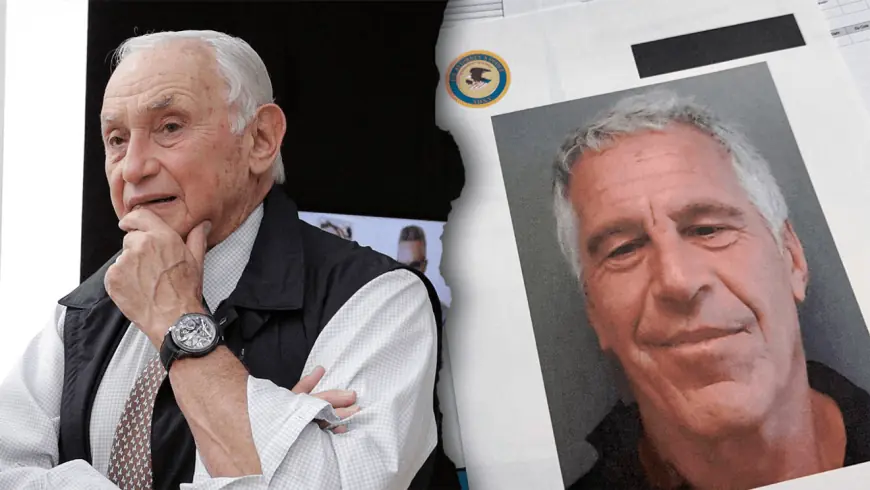
Les Wexner told a House committee he was "naive, foolish and gullible" in his relationship with Jeffrey Epstein, a stance underscored by lawmakers who say roughly a billion dollars in value moved from Wexner to Epstein during their association.
Wexner's deposition: 'naive' and 'conned'
In a closed-door deposition at his home, Wexner opened by calling Epstein a "conman" and said he had been duped when he entrusted Epstein with broad financial authority. He said Epstein stole "vast sums" from his family and later returned a substantial amount after a 2007 review of his finances. Wexner reiterated that he had no knowledge of Epstein's illegal conduct and denied participating in any wrongdoing. He also said he cut ties with Epstein nearly two decades earlier.
House panel presses on money, travel and influence
Democratic lawmakers pressed Wexner over the scale of money transfers tied to Epstein, with one member saying it appears that about a billion dollars was transferred, provided in stocks, or given directly to Epstein. Lawmakers argued that the financial support enabled Epstein’s wealth and operations, saying there would have been no Epstein island, no Epstein plane and no money to traffic victims without that support.
Wexner addressed questions about travel, saying he was never on Epstein’s airplane and that he visited Epstein’s island only once for a short family visit. He said he gave Epstein power of attorney to facilitate quick financial transactions and that the relationship dated back decades before he severed ties amid accusations against Epstein.
Deposition video claim: Epstein would 'name drop' Trump
In deposition video excerpts referenced by lawmakers, Wexner said Epstein would "name drop" public figures, including Trump, as part of his dealings. That assertion was presented alongside scrutiny of how Epstein cultivated influence and how wide-ranging financial support may have amplified his reach. Only Democratic members attended the session in person, and they emphasized the connection they see between financial transfers and Epstein’s ability to operate at scale.
Wexner maintained that he answered questions honestly and sought to "set the record straight, " while lawmakers continued to probe how much Wexner knew about Epstein’s activities and the extent of financial flows between them. The committee highlighted both the large transfers tied to Epstein and Wexner’s own description of being deceived as central to their line of questioning.
The testimony combined admissions of being misled, assertions that Epstein stole from Wexner’s family and persistent legislative concerns about the magnitude of money that moved to Epstein — developments that lawmakers say are essential to understanding how Epstein amassed the resources at the center of the investigation.