





















Lara Naki Gutmann in Focus as Snowboard Cross Seeds Kick Off and Hämmerle Tops Grondin Again

Lara Naki Gutmann appears in this roundup of the latest snow-sport developments as the Games' narrative is shaped by the start of men's snowboard cross seeding runs at Livigno Snow Park and Austria's Hämmerle edging Grondin again for Olympic gold — events that combine on-track drama with off-track controversy, including a high-profile skeleton disqualification and appeal.
Lara Naki Gutmann and the spotlight amid cross seeding drama
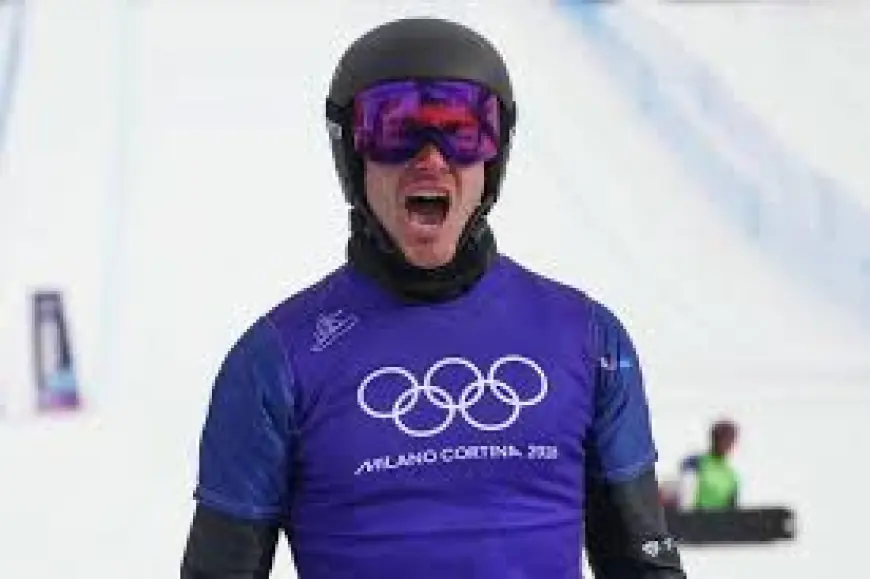
The men's snowboard cross field moved into its seeding phase at Livigno Snow Park, a development that has dominated coverage and conversation around the snowcross events. Veterans and favorites moved onto the start list: 44-year-old Nick Baumgartner led the early draws, while the 2025 World Champion, Éliot Grondin, was highlighted as the betting favorite. Alessandro Hämmerle, the 2022 gold medalist, was also in the mix as a veteran presence younger than Baumgartner but still considered a major threat.
Seeding order and early runs set the tone: riders such as Loan Bozzolo and Adam Lambert were noted among the runs, while Austin Florian posted a new start record on the Cortina track but mistakes later in the run left him well off the pace. Those performance swings underline how seeding can foreshadow both surprises and expected matchups when elimination heats begin.
Men’s snowboard cross: Hämmerle’s gold and Grondin’s near-miss
Adding to the cross narrative, Austria’s Alessandro Hämmerle edged Éliot Grondin again for Olympic gold in men’s snowboardcross. That result reinforced Hämmerle’s standing at these Games and amplified attention on Grondin, who has been a focal point since a dramatic near-miss in earlier major finals. The pairing of a repeat Olympic-level duel with the fresh seeding runs created a striking throughline across the snowboard cross competition.
With seeding runs underway and top names confirmed on the start lists, the field looks set for head-to-head heats that could produce photo-finish drama reminiscent of past showdowns. Observers will be watching whether seeding positions translate to heat success and whether veterans or recent champions prevail when the elimination rounds commence.
Off-track tensions: skeleton disqualification and an appeal
The Games’ tension extended beyond snowcross. Skeleton athlete Vladyslav Heraskevych was disqualified for continuing to wear a helmet commemorating the lives of Ukrainian athletes lost since the invasion, a move that prompted significant reaction and an appeal by the athlete. The official action included withdrawing the athlete’s accreditation from the Games, with the IOC noting multiple exchanges and in-person meetings, including one with IOC president Kirsty Coventry.
The disqualification reverberated in venues and among fellow competitors; onlookers and team members were visibly affected, and the athlete described feeling "empty" in private messages relaying his response. The appeal process and the visible reactions at the venues have added a human and political dimension to what has otherwise been a sport-focused competition week.
Other headline developments shaping the weekend
Elsewhere in snow and ice events, women's halfpipe saw a shift in the podium with a defending champion finishing second while a 17-year-old delivered a high-scoring final run to take gold. Team hockey play began with dominant openings from North American teams, and men’s skeleton start lists briefly omitted and later adjusted entries in the wake of disciplinary moves. Together, these developments have produced a Games atmosphere that mixes tight athletic drama on course with consequential decisions off it.
As seeding concludes and elimination heats loom, attention will remain split between who emerges from the crowded snowboard cross field and how ongoing disputes — both about equipment and accreditation — unfold in the lead-up to medal rounds.