























Prince Andrew Arrested and Released as Palace Refuses Taxpayer-Funded Legal Fees

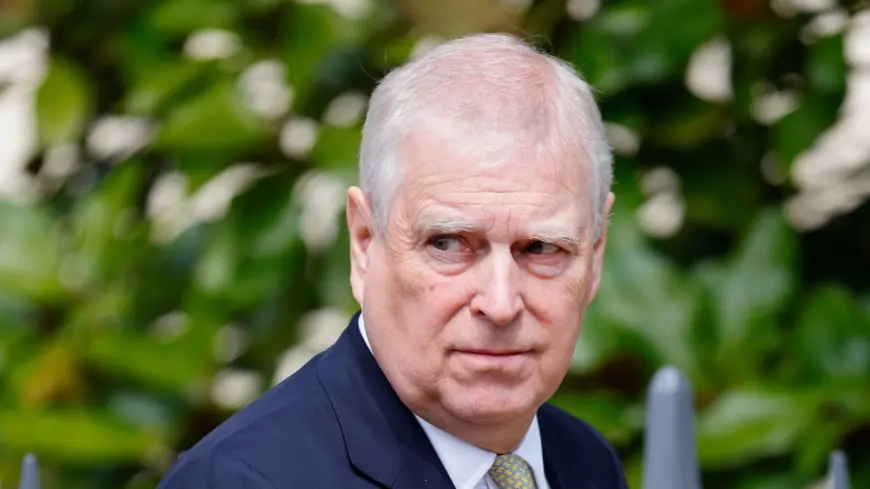
Prince Andrew was arrested on suspicion of misconduct in public office and later released, a development that has prompted a firm stance from the palace that taxpayers will not be asked to fund his legal defence.
Prince Andrew: arrest, searches and release
Law enforcement detained the former royal on suspicion of misconduct in public office, then photographed him leaving a police station reclined in the back of a vehicle at around 2: 00 PM ET. The force also said searches in Norfolk have concluded and that the individual was released later that day.
The King, who was not informed of the detention in advance, issued a statement that "the law must take its course. " Members of the immediate family are understood to support that comment. The arrested individual has previously denied wrongdoing in related matters and has not provided a comment on the specific allegations tied to the release of confidential files.
Palace stance and political implications
The palace confirmed it will not ask taxpayers to foot the bill for legal fees for the arrested former royal. That position came alongside confirmation that the individual remains in the line of succession and retains certain technical statuses, though practical duties are generally undertaken by working royals.
Experts note that removing someone from the succession would require legislation and coordination beyond a single national legislature, making any immediate change complex in practice. The combination of a criminal inquiry, public photographs of the detention and an explicit refusal to use public funds for legal defence has intensified scrutiny around the handling of royal accountability and finances.
Context: royal run-ins with the law
This is not the first time members of the monarchy have faced legal or judicial controversies. Historical examples span from a monarch who was taken prisoner and later executed after a trial for high treason, to a high-profile gambling scandal in which a senior royal once stood as a witness in a courtroom. Other incidents have included motoring offences and prosecutions under public safety laws.
Those earlier episodes—ranging from courtroom testimony to driving penalties and convictions under dangerous-animals legislation—underscore that encounters between royal family members and the judicial system have recurred across different eras. The present case marks the first modern instance of a senior royal being arrested, and it has revived debate about legal accountability, public funding and the practical mechanisms for any changes to royal status.
The immediate developments—the arrest on suspicion of misconduct in public office, the subsequent release after searches concluded, the King’s statement that "the law must take its course, " and the palace declaration that public funds will not cover legal fees—have set the terms for what is likely to be sustained public and legal attention in the coming days.