























Olympic Mascot 2026 duo Tina and Milo become a cultural sensation as Flo plushes join medal podiums

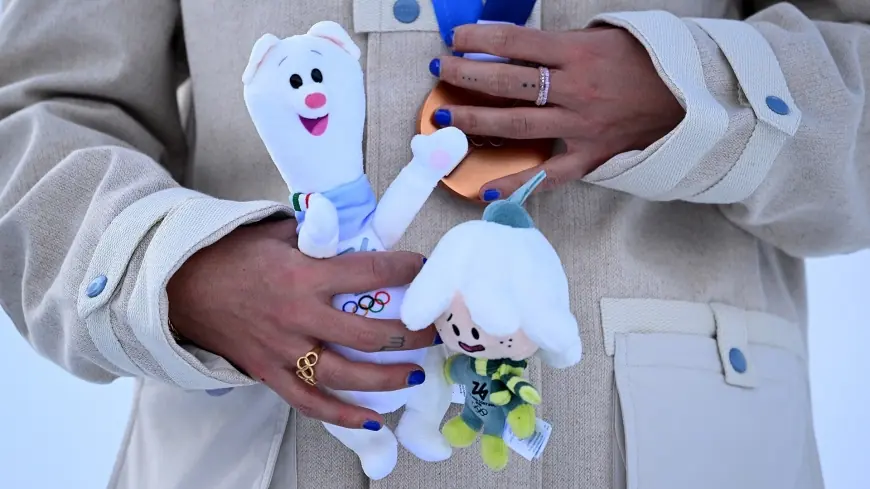
The Olympic Mascot 2026 has become a breakout cultural moment at the Winter Games, with the stoat duo Tina and Milo drawing enthusiastic crowds and a growing spotlight on the plush sidekicks known as the Flo. The mascots’ surge — from a classroom-driven design contest to live performers and podium giveaways — has created multiple talking points across the event.
Why the Olympic Mascot 2026 duo is winning hearts
Tina and Milo, designed as a pair of stoats, have emerged as widely embraced figures at the Games. Performers in the costumes have been meeting fans in person, and one profile of a performer highlighted how the characters connect with audiences. The mascots’ appeal is reinforced by their design roots: they were chosen following a nationwide school program that solicited mascot ideas, drawing a substantial volume of entries.
The selection process began with a program that invited primary and secondary classes to submit mascot concepts. That initiative produced more than 1, 600 ideas from 681 classes at 82 schools. A public vote ultimately narrowed the field to two finalists: the stoats and another contender made up of animated snowdrop flowers. The stoats won that public vote and secured official mascot status, but the flowers—popular enough to remain visible throughout the Games—took on an unofficial yet omnipresent role.
From classroom sketches to podium plushes: the Flo and medal gifts
The Flo are a sextet of animated snowdrop flower sidekicks that frequently accompany Tina and Milo in appearances. They are organized into two trios that mirror the Games’ split: one trio aligns with the Olympic events and the other with the Paralympic events. The Flo names reflect different personalities and roles across the trios, though specific individual backstories remain minimal beyond those names and groupings.
In a notable extension of recent podium tradition, athletes receive not only medals but also plush representations of the mascots. At these Games, Olympic medalists leave the podium with a plush Tina the stoat and an additional stuffed Flo. That two-item keepsake underscores how the mascots have been woven into the ceremonies and the fan experience.
Design, biology and a broader message
The choice of stoats carries deliberate biological and symbolic notes. The mascots’ species are obligate carnivores with physical traits that include seasonal coat changes to white and a black-tipped tail, adaptations that aid survival in snowy environments. The pair were named with nods to the host cities, reinforcing local identity. Observers have described these animals as energetic, tenacious and naturally athletic—qualities that dovetail with the competitive spirit of the Games.
Beyond celebration, the mascots have surfaced in conversations about environmental change. Experts highlighted that stoats are adapted to deep snow and subnivean zones beneath winter snowpacks, and that recent lower snowfall levels at some historic winter-sport sites have raised concerns about climate impacts on winter athletics. That context gives the mascots an unexpected role as reminders of the environmental conditions that support winter sports.
As the Games continue, the Olympic Mascot 2026 presence—through costumed performers, ubiquitous Flo sidekicks and dual-plush podium gifts—shows how a carefully staged selection process and memorable character design can translate into broad public affection and symbolic resonance.