




















Milan-Cortina Final: us women's hockey Rivalry Reignited as Knight and Poulin Square Off

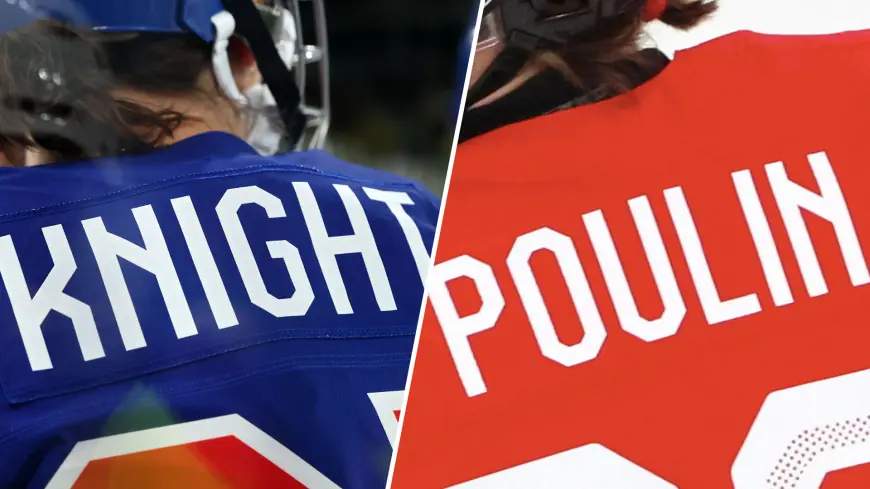
For the seventh time in Olympic history, the United States and Canada will meet for the women's hockey gold medal — a matchup that has come to define the sport on the biggest stage. The Milan-Cortina final on Thursday (ET) pairs two of the game's most decorated stars and frames what could be a last Olympic chapter for one of Team USA's leaders.
Historic rivalry and the Olympic stakes
Since women's hockey joined the Olympic program in 1998, Canada and the United States have dominated the podium. They have shared every gold medal between them, and their finals meetings have become a recurring focal point of the Winter Games. This tournament's title game carries familiar urgency: national pride, four years of preparation and the unique pressure that only an Olympic final can deliver.
Both teams have been measured by international results more than professional leagues. While some players compete in domestic pro circuits, many of the sport's defining moments — and reputations — are forged in international competition. That dynamic has sharpened the rivalry; these are not just club teammates who meet occasionally, but players who have been cast repeatedly as direct adversaries on the world stage.
Superstars, storylines and the final push
At the heart of this matchup are two of women's hockey's enduring figures. Hilary Knight, a long-serving captain for the United States, has framed Milan-Cortina as her fifth and final Olympics and has openly spoken of wanting a storybook finish. Her leadership, competitive drive and long list of international achievements make her central to the U. S. chase for gold.
On the other side stands Marie-Philip Poulin, a Canadian veteran whose nickname captures her clutch instincts. Poulin has repeatedly delivered in Olympic finals, and during this tournament she became the first woman to reach 20 career Olympic goals, extending a record that already separates her from every other player in the game's history.
Beyond the headline names, younger contributors have emerged as critical factors. An American defender leads the tournament in points for Team USA, showcasing the depth and speed that has characterized the country's approach. Canada has leaned on a blend of veteran poise and a resilient group identity that insisted it could repeat as Olympic champions after the previous Games.
Both sides have also carried weight from the last Olympic meeting: one returned disappointed and hungry for redemption, the other eager to defend the top spot. That competitive continuity — training cycles, international tournaments and high-stakes matchups — has only intensified preparations for this final.
What to watch in the gold-medal game
Expect the contest to be tight and physical, with special teams likely to decide the outcome. Power-play efficiency and penalty killing have been decisive across recent tournaments, and the goaltending matchup will be pivotal: a timely save can swing momentum in a game where chances are at a premium.
Individual matchups will matter, especially when elite forwards take center ice against top defensive pairings. Poulin's ability to find the net in crucial moments and Knight's capacity to elevate play under pressure set up a chess match of tactics and will. Secondary scoring — contributions from middle-six forwards and defensemen jumping into the attack — could tip the balance if the star-driven duels are neutralized.
For fans, the final offers both a narrative climax and a showcase of the sport's international development. Whether the game ends with veteran heroes writing new chapters or rising talents seizing their moment, Thursday's Olympic final will underline why this rivalry remains the sport's defining fixture.