























China-US Trade War Takes Center Stage Ahead of May Summit

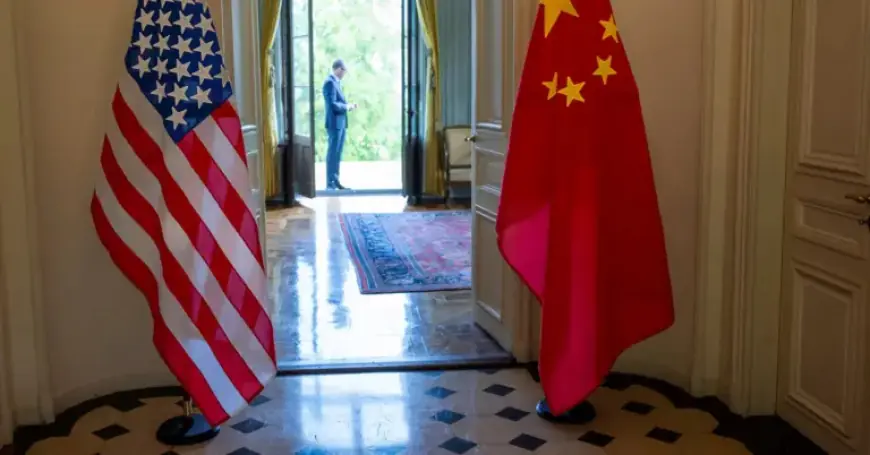
As anticipation builds for the upcoming May summit, the China-US trade war continues to reshape global economic dynamics. This critical meeting will mark U.S. President Donald Trump’s first visit to China in eight years, following a turbulent period punctuated by significant tariff actions.
Overview of the Trade Dispute
The confrontation between the United States and China has escalated from a series of tit-for-tat tariffs to ongoing negotiation attempts. Discussions have included multiple calls and meetings between the leaders, reflecting a complex relationship marred by economic challenges.
Key Developments Leading to the Summit
- March: The U.S. initiated new Section 301 investigations into several Chinese industries, prompting a reciprocal response from China.
- February: The U.S. Supreme Court rejected President Trump’s global tariff regime, yet he signaled ongoing tariffs.
- January: China reported a record trade surplus as it diversified trade routes, notably decreasing exports to the U.S.
Recent Trade Actions and Repercussions
Throughout 2025, several pivotal actions have characterized the trade landscape:
- October: China expanded its export controls on critical minerals, leading to further U.S. duties on imports.
- May: Initial trade talks in Geneva resulted in a temporary truce, though subsequent violations were reported by both parties.
This trade dispute emphasizes the increasingly contentious relationship between the two nations. Decisions made in the upcoming May summit could significantly influence future economic policy and international trade.
Looking Ahead
As the summit approaches, both countries are in a sensitive phase of negotiation. With ongoing tensions, the dynamics established in May may have long-lasting implications for global trade and economic relations.
Through careful dialogue and negotiation, there is hope for a more stable trade environment between the U.S. and China. Key players in both governments will need to navigate this complex landscape to avoid further escalation.