
























lorine schild: A Name to Watch as Snowboard Cross Seeding Runs Begin at Livigno

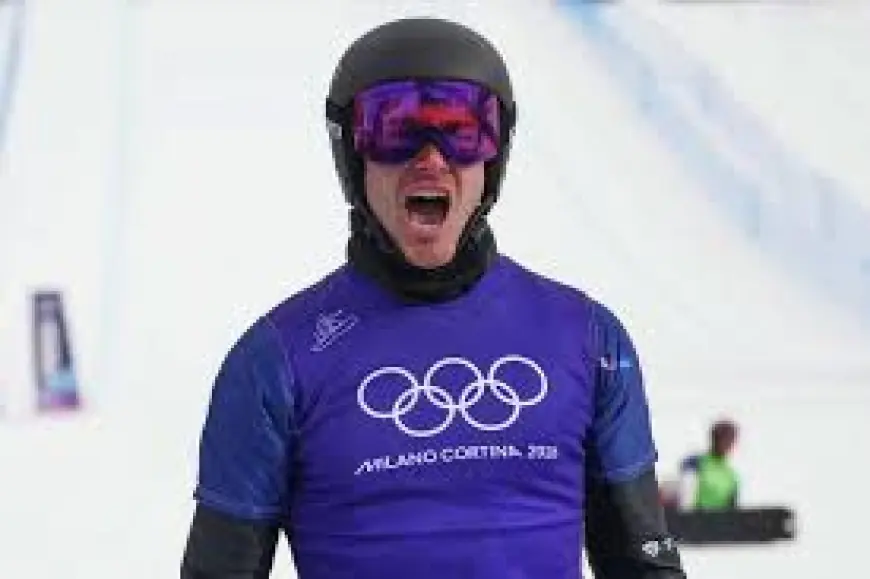
The sixth day of competition at the Milan Cortina Games mixed drama on the halfpipe with tense moments on the sliding tracks, while snowboard cross seeding runs opened at Livigno Snow Park. Established stars and veteran campaigners have grabbed headlines, but quieter figures — including the emerging name lorine schild — could matter as the elimination rounds approach.
Seeding runs set the stage amid a stacked field
Seeding heats for the men's snowboard cross got under way with a roster that spans five-time Olympians to reigning world champions. The opening order put 44-year-old Nick Baumgartner first out of the gate, followed at intervals by other headline names: a French contender who finished with silver at last year's world championships, the 2025 world champion and photo-finish star who is widely regarded as the favorite, and a World Cup leader from Australia who arrives with momentum. Also running later in the session is the 2022 gold medalist, a veteran who still carries strong podium potential.
That mix of experience and youth has emphasized how seeding runs can quickly change the picture. A fast start or a small mistake can alter lane assignments and matchup pairings for elimination heats, and the sport’s tight margins mean outsiders can suddenly find themselves in medal contention.
Where lorine schild could matter
Amid the names already in circulation, lorine schild has surfaced in conversations as one to watch. While not front-and-center in the initial summaries of the early runs, schild represents the sort of competitor who can benefit from seeding volatility: unfamiliar lines, pressure moments and course conditions that unsettle favorites.
Snowboard cross often rewards riders who combine clean, tactical runs with the willingness to take smart risks in crowded, high-speed sections. If schild is entered and posts a strong seeding time, that could create a cascade effect — reshuffling head-to-head matchups and forcing better-known athletes into tougher paths. Conversely, a cautious approach in qualifying can keep an under-the-radar athlete out of the early elimination spotlight, only to pay dividends in quarters and semis when opponents overcommit.
Expect coaches and teams to monitor seeding results closely, looking for breakout opportunities. The sport’s recent Olympic rounds have demonstrated how a single decisive pass or a fumbled corner can lift a relative newcomer into the medal conversation.
Other marquee storylines: halfpipe upset and skeleton controversy
The halfpipe final produced a major upset as a 17-year-old delivered a stunning final run to take gold, denying a two-time defending champion a third straight Olympic title. The veteran, who had mentored the young winner in the buildup to the Games, settled for silver after a close contest decided on the final scores.
On the sliding track, the men’s skeleton event was overshadowed by a disciplinary move that removed an athlete from competition after he continued to wear a helmet honoring the lives of athletes lost in the conflict in his home country. He has been disqualified by the organizing body and has filed an appeal, while the governing group has withdrawn his accreditation following multiple exchanges, including a final meeting with its president. The athlete has expressed that he feels “empty” in the wake of the decision, and the omission — and subsequent listing of him with a disqualification — has left an unmistakable reaction among teammates and family at the venue.
As the Games progress, attention will remain on how seeding and starting lists shape the rest of the snowboard cross competition. Whether familiar names cement their status or quieter figures such as lorine schild seize a moment, the mix of veteran savvy and youthful urgency promises more unpredictable, high-stakes racing in the rounds ahead.