


















ramadan time table 2026: Channel Islands leaders say the calendar brings community and contested start times

Muslim community figures in the Channel Islands emphasise that Ramadan is about more than a timetable: it is a period of spiritual reset, shared iftars and growing communal ties. At the same time, differences in how communities mark the lunar calendar mean start dates and daily fasting times for 2026 will not be identical everywhere.
Community gatherings shape local timetables
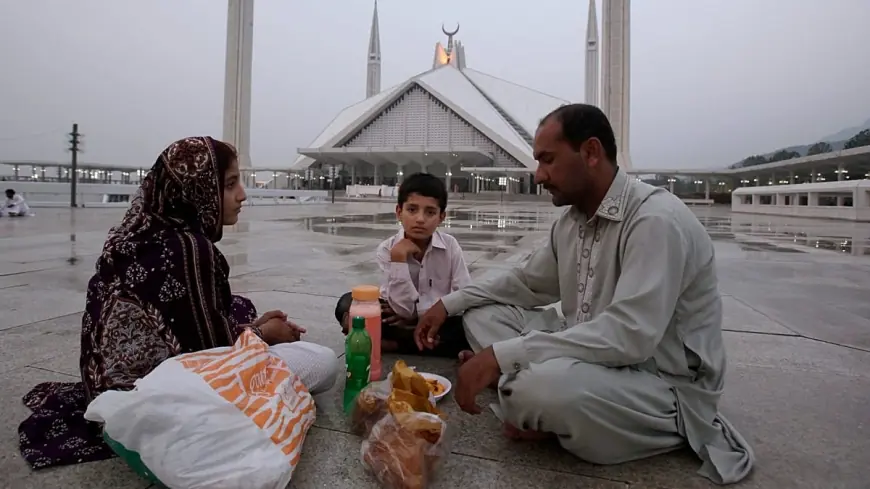
Local mosque trustees and organisers describe Ramadan as a time when people come together to break the fast at sunset, pray in congregation and support those who are far from family. Trustees say that evening iftars — the meals that end daylight fasting — provide a tangible sense of belonging and are a core reason communities publish detailed daily timetables. Those timetables set the five daily prayer times and the specific Fajr (dawn) and Maghrib (sunset) moments that determine when fasting starts and stops each day.
Organisers are already coordinating mosque space, volunteer teams and schedules for communal meals. In smaller communities where families and worshippers are dispersed, central timetables and organised events become especially important to bring people together throughout the month.
Why the 2026 ramadan time table will vary between communities
Disagreement over when to begin Ramadan is longstanding and stems from two factors: the lunar calendar and differing practices for sighting the new crescent. Some communities begin fasting on the first visible crescent; others rely on astronomical calculations. Those choices produce variations in the announced start day and can lead to neighbouring communities observing Ramadan on different dates.
Practical consequences follow. A community that waits for the visual crescent may start fasting one evening later than a group that uses calculations. That same divergence affects the published daily schedule since prayer times are anchored to local dawn and sunset times, which shift by a minute or more each day. Organisers caution that the calendar many people look for in 2026 will reflect local decisions and might not match calendars used by other cities or countries.
Practical guidance for following the 2026 timetables (times in ET)
For worshippers planning around the 2026 ramadan time table, there are a few simple steps to take now. First, look for timetables issued by your local mosque or community group; these will list daily Fajr and Maghrib times for your specific location in Eastern Time (ET). Fajr marks the pre-dawn start of the fast and Maghrib marks sunset and the breaking of the fast each day.
Second, expect organisers to publish versions for different audiences: one for those observing the communal start and another for individuals who follow calculated dates. If you travel or live in a region with multiple Muslim centres, check which method each centre uses to choose the first day.
Finally, plan logistics early. Community leaders note space constraints at communal iftars as attendance grows; volunteers are often needed for meal preparation, set-up and transport for those who live far from mosque hubs. Those organising family or community calendars should set reminders for nightly Maghrib times in ET and confirm any special event dates in advance.
As planners finalise their schedules for 2026, the emphasis from community figures is consistent: the timetable is a tool to structure worship and community life, but the deeper purpose of Ramadan is spiritual reflection and mutual support. Local announcements will convert that intention into precise daily times for Fajr and Maghrib in Eastern Time.