





















After Silence and Salvation: mikaela shiffrin Ends Eight-Year Olympic Medal Drought in Cortina

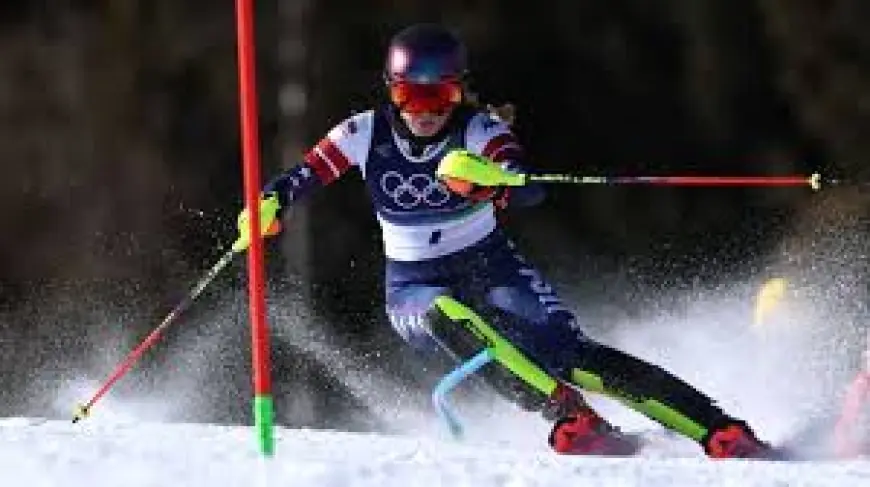
In a moment that mixed stunned stillness with unbridled joy, Mikaela Shiffrin finally shook off the weight of Olympic disappointment and claimed a slalom gold in Cortina d'Ampezzo. Her victory ended an eight-year wait for an Olympic medal and produced a rare, intimate scene — a champion who paused, breathed, and let the win sink in before celebration swept her away.
Quiet before the roar: a different kind of victory
When the race ended, there was no immediate theatrics. Shiffrin did not fling her helmet or leap instantly into the crowd. Instead she stared upward, then crouched on the backs of her skis, hugged her knees and let the emotion settle. That pause felt like a small, private exhale after years of public scrutiny and the heavy expectations that surround Olympic competition for the sport’s most decorated athlete.
Even before her second run, she tried to nap at the top of the hill — a familiar pre-race habit — but the sleep wouldn’t come. Tears surfaced as thoughts drifted toward family and the people who helped build her career: her late father, her brother and sister-in-law, coaches, and her psychologist. In the start gate she told herself she had all the tools necessary to do her best. Then she skied like she meant it.
Commanding on the course, human off it
The win was a reminder of Shiffrin’s unmatched résumé. With more than a hundred World Cup victories and now multiple Olympic golds and a silver, she has already claimed a place among the sport’s all-time greats. Yet the Olympics carry a special, disproportionate weight — especially for American athletes — and that reality has hung over Shiffrin’s legacy for years.
That context made her reaction all the more telling. After allowing herself a quiet moment of disbelief, she rose to celebrate: pumping her fist for the crowd, dancing in the team circle, and even riding on teammates’ shoulders. The sequence — stillness, private gratitude, then exuberant celebration — captured both the pressure she has carried and the relief of finally exorcising it on the world’s biggest stage.
More than a medal: closure and gratitude
Shiffrin spoke about wanting to use the race as a chance to silently communicate thanks to those who stood by her. The win was not just another top-of-the-podium moment; it felt like closure. For an athlete who has long been defined by near-perfect technical command and clinical focus, this day added a deeply human chapter to her story.
The manner of the celebration — restrained at first, then joyous — underscored the complexity of Olympic triumph: years of work, private grief and relentless public expectation condensed into a few snow-dusted minutes. For fans and teammates who watched, the scene offered both a cathartic conclusion to a long-running narrative and a reminder that even the sport’s most prolific winners are vulnerable, reflective people.
On the slope in Cortina, the scoreboard’s green light finally matched the career-long narrative: a champion who has amassed records and accolades, and who now, at this Olympic moment, allowed herself to feel the weight lift away. The image of Shiffrin sitting on her skis, then rising to celebrate, will linger as much for its intimacy as for the victory itself.
She leaves Cortina not only with a gold but with a different sort of prize — a sense of resolution that changes how this phase of her career will be remembered.