

























cairo flights surge as Cairo Airport Sets Record as Africa’s Busiest Hub

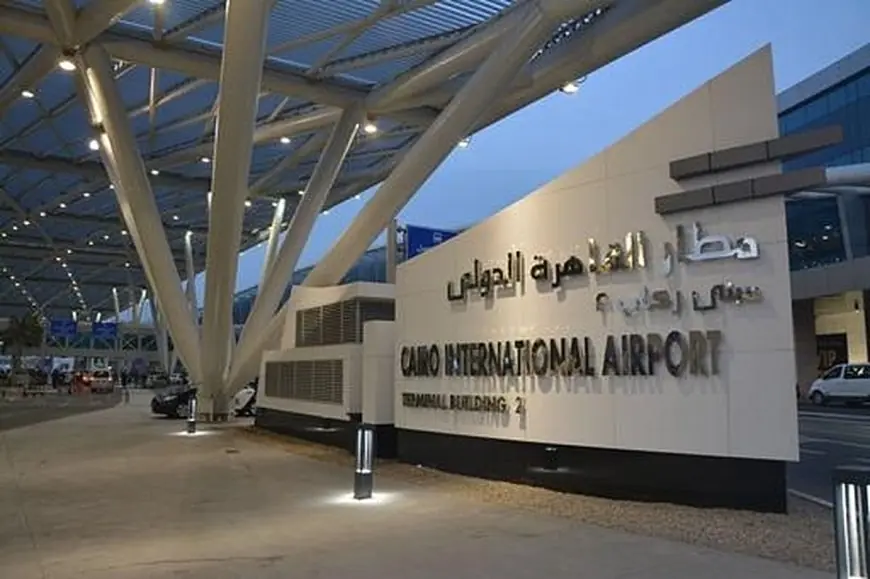
On February 14, 2026 (Eastern Time), Cairo International Airport logged an unprecedented single‑day performance that underlines its growing dominance in African skies: 737 flights and 111, 212 passengers moved through the facility in a 24‑hour window. The operational milestone reflects both stronger travel demand and expanding seat capacity on routes that connect Africa with Europe and the Middle East.
Operational milestone and daily traffic breakdown
The day’s activity was led by international services, which accounted for 584 flights and 96, 156 passengers. Of that international total, departures were roughly even with arrivals—48, 494 outbound travelers and 47, 662 inbound—highlighting the airport’s dual role as a departure point and a transfer hub. Domestic traffic added 132 flights and 15, 020 passengers, while 11 special and cargo movements completed the day’s mix.
Airport management credits tight coordination across terminals and airside operations for the smooth handling of the surge. Continuous monitoring of departure halls and arrival flows, streamlined passenger processing and focused turnarounds kept departure punctuality and service standards intact even as volumes climbed. Operational efficiency measures and targeted facility upgrades have become central tools for absorbing peak demand days without systemic disruption.
Market impact: capacity gains, fuller cabins and revenue upside
Beyond the headline single‑day figures, broader market data for January 2026 (Eastern Time) show why cairo flights are drawing attention: departing seat capacity from the airport reached roughly 1. 75 million for the month, a year‑on‑year rise of about 10. 3 percent. That kind of capacity expansion, combined with rising demand, points toward higher load factors and firmer yields on key corridors.
When seats tighten against demand, airlines gain more pricing power. Close‑in fares trend higher, discounting is less prevalent and ancillary sales—paid seating, baggage and priority services—tend to lift revenue per passenger. For the airport, steadier throughput also supports non‑aeronautical income streams such as retail, food and beverage, lounges and parking. Ground services and catering stand to benefit from higher turnarounds and more reliable traffic banks.
Cairo’s geographic position as a crossroads between Africa, Europe and the Middle East further amplifies its commercial role. Growing frequencies and better schedule banks can attract higher‑yield transfer traffic, strengthening the market case for continued capacity and commercial investment tied to cairo flights.
Outlook and risks for carriers and the hub
Momentum is clear but not guaranteed. Forward bookings for the summer peak, premium cabin share and corporate demand will be key indicators to watch. If demand remains broad‑based, carriers can sustain healthier margins through shoulder seasons, reducing the volatility that has challenged the industry in previous recovery cycles.
Conversely, rising fuel costs, currency volatility and geopolitical or security concerns could undercut the upside. Airspace changes or sharp shifts in tourism sentiment would pressure yields and could prompt rapid schedule adjustments. For now, the combination of improved facilities, integrated operations and expanding connectivity gives cairo flights and the airport itself a favorable platform heading into 2026.
Filmogaz will continue to monitor how capacity announcements, aircraft gauge changes and booking patterns evolve as carriers and the hub respond to stronger demand across the continent and beyond.