













![Amber Glenn Withdraws From [Event] Citing Injury, Will Miss Upcoming Season — Update](https://www.filmogaz.com/uploads/images/202602/image_430x256_6994eca04b7cd.webp)



Elana Meyers Taylor Steps Back from Competition, Eyes Leadership and Advocacy Role

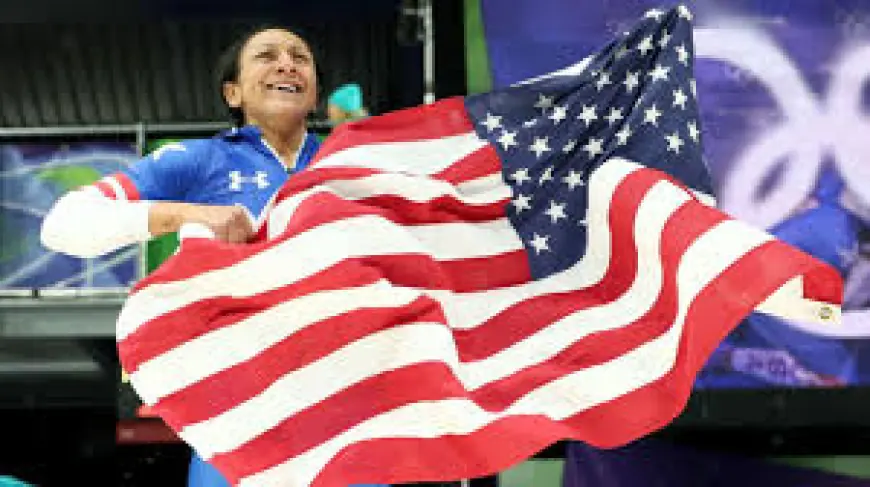
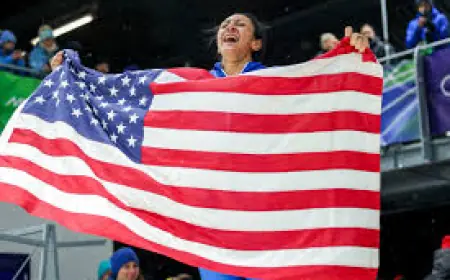
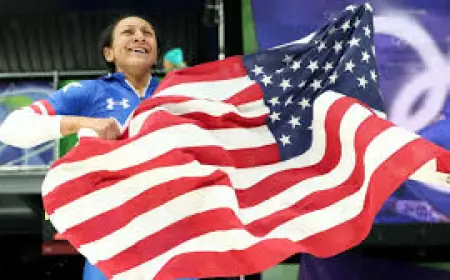
Elana Meyers Taylor, the decorated U. S. bobsledder and four-time Olympic medalist, has signaled a transition away from day-to-day elite competition to focus on leadership, athlete advocacy and family commitments. The move marks a new phase for one of America’s most recognizable winter-sports figures as she balances ongoing involvement in bobsled with priorities off the track.
From Podiums to a Broader Platform
Meyers Taylor has been a mainstay in international bobsled for more than a decade, earning Olympic medals and championship titles while becoming a prominent voice on issues ranging from athlete health to gender equity. In recent weeks she has publicly discussed dialing back the intensity of her training and competition schedule, emphasizing that she intends to remain engaged with the sport in roles that allow greater stability for her family life and more time for advocacy work.
Her comments underline a familiar pattern among elite athletes who, after long careers at the highest level, pivot toward positions that shape sport governance, athlete representation or community outreach. Meyers Taylor’s credibility as a top-tier competitor gives weight to her potential impact on matters such as safety protocols, athlete support systems and initiatives to grow participation among young women and underrepresented communities.
Priorities: Family, Health and Athlete Welfare
Family considerations figured prominently in Meyers Taylor’s explanation for the shift. She has previously balanced motherhood with training and international travel, and told teammates and peers she wants to prioritize a steadier schedule that allows more time at home.
Alongside family priorities, the athlete has underscored health and long-term well-being. Bobsledders contend with intense physical demands and risk of injury, and Meyers Taylor has advocated for stronger support networks for athletes managing recovery, mental health and transitions after competition. Her public stance aims to elevate conversations about sustainable career paths in high-impact sports and to push governing bodies toward policies that better protect competitors over the long run.
What’s Next: Leadership, Mentorship and Staying Connected
While stepping back from full-time competition, Meyers Taylor is expected to remain active within the sport through mentorship, public speaking and possible leadership roles. She has a track record of mentoring younger pilots and push athletes and may continue in that capacity to help develop the next generation of competitors.
Observers say her transition could also include formal roles that influence decision-making — from athlete commissions to advisory positions — where her experience and profile would be valuable. Whatever form it takes, the move represents a broader trend of elite athletes leveraging sporting achievements into advocacy and governance roles, seeking to improve conditions for those who follow.
Meyers Taylor’s announcement closes a significant chapter in her competitive career but opens another that could have lasting influence on the sport’s culture and support systems. Fans and colleagues will be watching to see how she blends visibility, practical leadership and personal priorities in the years ahead.