























FA Cup draw sets up high-stakes ties as underdogs chase giant-killings

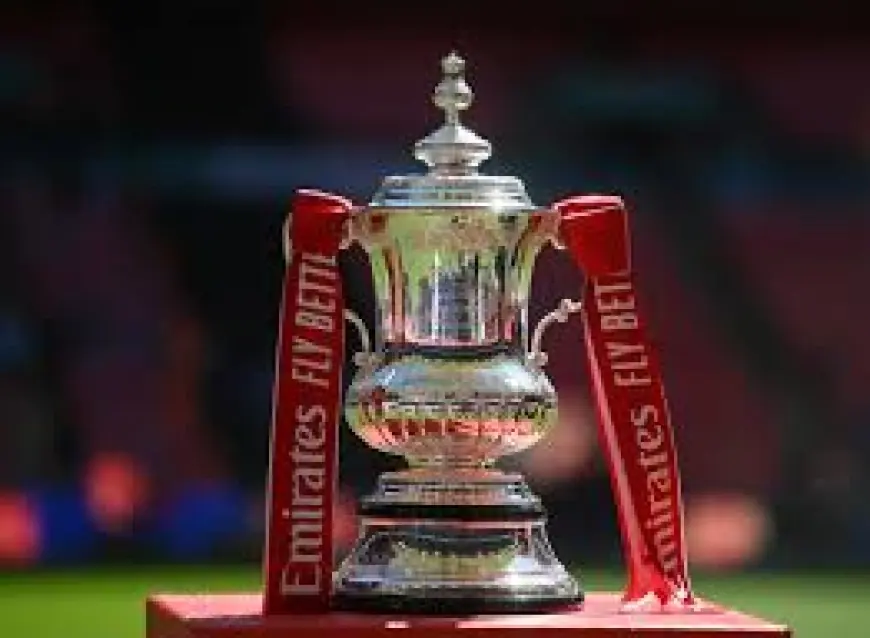
The FA Cup draw carried plenty of drama on Feb. 17, 2026 (ET), delivering a mix of heavyweight clashes and draw-praising opportunities for lower-league sides chasing memorable cup runs. With a series of ties now scheduled for late February and March (all times ET), managers and supporters have digested potentially season-defining fixtures.
Big names meet early — blockbuster ties highlighted
This stage of the competition throws up mouthwatering contests between top-flight clubs and well-drilled challengers. Several Premier League sides were drawn against each other, producing high-profile matches that could end the cup aspirations of one heavyweight immediately. These draws have sharpened focus on squad rotation, with managers already discussing how to balance league priorities alongside the chance of FA Cup glory.
Where marquee clashes occur, ticket demand surged instantly. For broadcasters and neutrals, the draw has created premium viewing events across the weekend fixtures. Clubs with congested schedules now face tricky decisions on resting key players while still treating the FA Cup as a realistic route to silverware and European qualification.
Lower-league sides handed opportunity — David versus Goliath bookings
The charm of the competition survives because of ties that pit semi-professional and lower-league clubs against elite opposition. Several non-league or League Two teams were rewarded with lucrative home draws or a trip to big stadia — moments that promise significant financial windfalls and national exposure.
Managers of smaller clubs have framed these fixtures as once-in-a-lifetime opportunities. They frequently stress tactical discipline and set-piece preparedness as realistic paths to nicking results. Fans are already organising travel and fundraising, while squads are relishing the motivational boost that comes from testing themselves against higher-tier players.
Fixture dates, next steps and tactical implications
The drawn ties are scheduled across the coming weeks, with most matches set for late February and early March (local kickoff times converted where applicable to ET). Replays are no longer a feature at this late stage, meaning every tie guarantees a decisive outcome on the night. That increases the stakes for managers who must pick starting elevens capable of producing results without fallback plans.
Tactically, expect a mix of cautious, compact approaches from underdogs intent on frustrating big clubs, and aggressive rotation-based tactics from favourites aiming to protect players while still asserting superiority. Set pieces, substitutions, and match tempo will be under extra scrutiny: coaches know that single moments can define cup nights.
Club officials will now focus on logistics, ticketing and match-day preparations. For supporters, the FA Cup draw renews the sense of possibility that underpins the competition: big headlines, emotional scenes, and the potential for unforgettable upsets as the tournament progresses toward quarter-finals and beyond.
Full match schedules and stadium assignments have been issued to participating clubs; fans are advised to check club communications for ticket allocations and official kickoff confirmations in ET.