

















![Amber Glenn Withdraws From [Event] Citing Injury, Will Miss Upcoming Season — Update](https://www.filmogaz.com/uploads/images/202602/image_430x256_6994eca04b7cd.webp)




Lunar New Year arrives Feb. 17, 2026, as cities worldwide roll out parades and travel surges

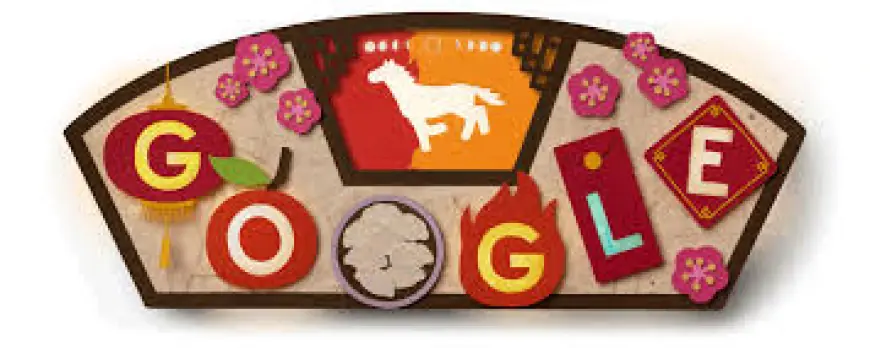
Communities across the globe are marking Lunar New Year on Tuesday, Feb. 17, 2026 (ET), ushering in a wave of public parades, cultural performances and a predictable spike in travel. Authorities and event organizers are preparing for large crowds and busy transit systems as families reunite and public festivities return in force following years of pandemic disruption.
Major celebrations and cultural programming
Traditional shows and street processions are scheduled in cultural centers from East Asia to North America and Europe. Expect large-scale lion and dragon dances, temple ceremonies and late-night fireworks in cities with prominent East and Southeast Asian communities. Museums and performance venues are programming special exhibitions, film series and concerts that spotlight Lunar New Year customs, food and contemporary arts tied to the holiday.
Organizers are emphasizing both heritage and inclusivity. Many events blend classical rituals with contemporary elements such as light installations, pop-up markets and family-focused activities to draw broader audiences. Community groups are also using the holiday to promote local small businesses and cultural education, with special menus, craft workshops and storytelling aimed at younger generations.
Travel demand and transit preparations
Travel surges tied to Lunar New Year are expected to intensify this year. Transit agencies and airports serving major diaspora hubs are advising passengers to plan ahead for peak-day crowds and longer lines at security checkpoints. Rail operators in high-traffic corridors have added capacity on popular routes, and city transit systems are deploying extra staff and longer service windows for parade days.
Road and crowd-management plans will be in effect for downtown parade routes. Authorities are coordinating with event producers to stagger start times, open temporary transit hubs and provide clear signage to minimize disruptions. Travelers are being urged to verify schedules in advance, arrive early for performances and consider alternative travel times when possible.
Public safety, health and community outreach
Public safety teams are balancing celebratory atmosphere with logistical oversight. Street closures, temporary barriers and increased police presence are intended to keep crowds flowing and maintain emergency access. Organizers note that many public events will include first-aid stations, lost-and-found points for families and multilingual volunteers to help non-native speakers navigate festivities.
Health messaging is focusing on general event wellness: staying hydrated during long outdoor activities, monitoring children in crowded areas and following any venue-specific requirements. In some places, cultural groups are promoting vaccination and routine health checks in the run-up to gatherings, while community centers are hosting outreach to ensure seniors and those traveling long distances can access support.
As millions mark Lunar New Year across time zones, the holiday’s mix of ritual, family reunion and public spectacle serves as both a cultural touchstone and a test of urban event planning. With broad programming and heightened travel demand, officials and communities aim to keep celebrations vibrant, safe and accessible to all who come to observe the season.