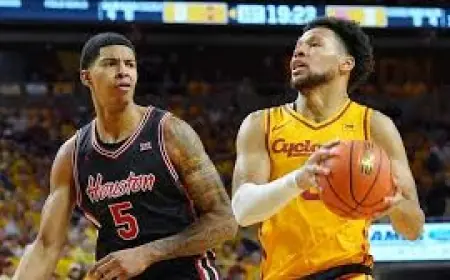





















Houston vs Iowa State: Defensive DNA Meets Up-Tempo Offense in Key Big 12 Clash

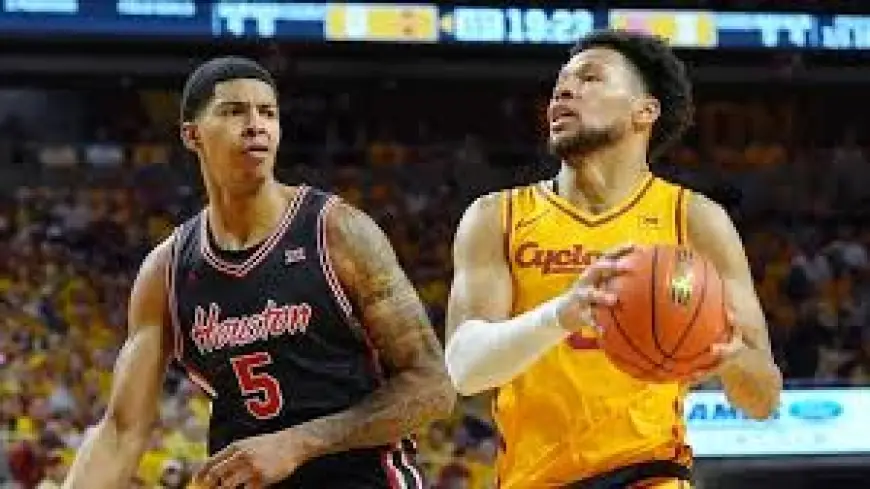
When Houston and Iowa State meet, the game often reads like a study in contrast: a program built on defensive discipline and interior toughness against a team that thrives on pace, spacing and perimeter aggression. This matchup promises chess-like coaching adjustments, with the outcome likely decided by turnovers, rebounding and which team can impose its preferred tempo.
Coaching matchup and stylistic contrast
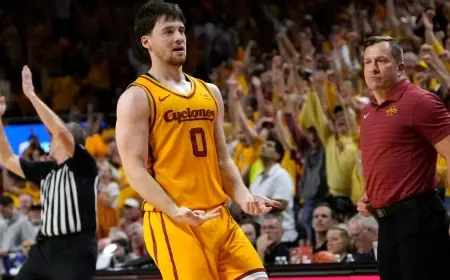
The two head coaches bring distinct philosophies that shape their teams. Houston's staff emphasizes halfcourt defense, size on the glass and taking away easy looks. That identity forces opponents into contested jumpers and limits second-chance opportunities. Iowa State counters with a more open approach designed to create driving lanes, quick ball movement and open perimeter shots. The Cyclones typically try to push the pace, forcing defenses to cover more ground and make quick decisions.
Game planning will revolve around these differences. Houston will look to slow possessions, attack early shot clocks with set plays and control rebounding; Iowa State will aim to break rhythm with transition chances and dribble-drive actions that either produce points or collapse the defense and kick to shooters. Turnovers will be especially meaningful: the team that protects the ball while generating extra possessions will gain a decisive edge.
Keys to victory
1) Ball security and transition control — Managing turnovers is critical. If Houston can convert defensive stops into halfcourt offensive sets rather than allowing fast-break points, it will negate one of Iowa State's comparative advantages. Conversely, if Iowa State forces turnovers and turns them into quick buckets, the crowd and momentum will swing rapidly.
2) Rebounding and paint protection — Houston's size and emphasis on the boards typically give it a chance to control second-chance opportunities. Iowa State must box out consistently and limit offensive rebounds to keep possessions honest. On offense, getting the ball into the paint—or drawing help to create open threes—will test Houston's rim protection.
3) Perimeter discipline and three-point defense — Iowa State’s spacing often creates open looks from deep. Houston's ability to close out without fouling and rotate to shooters will determine whether those looks fall. For Iowa State, hitting timely threes will force Houston to extend its defense and could open driving lanes inside.
4) Bench impact and foul trouble — Depth matters late. Bench scoring can swing close games, and early foul trouble for key interior players could force both coaches into quicker substitutions, altering matchups and defensive coverages.
What to watch and broader implications
Watch the opening five minutes: which team executes its preferred brand of basketball early often sets the tone. If Houston can dictate halfcourt pace and avoid transition, it tilts the game toward low-possession efficiency. If Iowa State generates turnovers and gets the game into a free-flowing track, Houston will be tested on its ability to defend in space.
The matchup carries implications beyond a single box score. Conference positioning and seeding conversations often hinge on head-to-head results in games like this. A win for either side can be a momentum builder as the season moves toward the middle stretch and the push for postseason positioning intensifies.
Expect adjustments throughout the game: both staffs are likely to tinker with matchups, defensive looks and substitution patterns in response to what the court reveals. Ultimately, the team that marries discipline with opportunism—protecting the ball, securing the glass and capitalizing on high-percentage chances—will walk away with the advantage in what should be a compelling tactical contest.