






Michael Jordan’s NASCAR Team Wins the 2026 Daytona 500 as Tyler Reddick Steals the Biggest Lap at Daytona

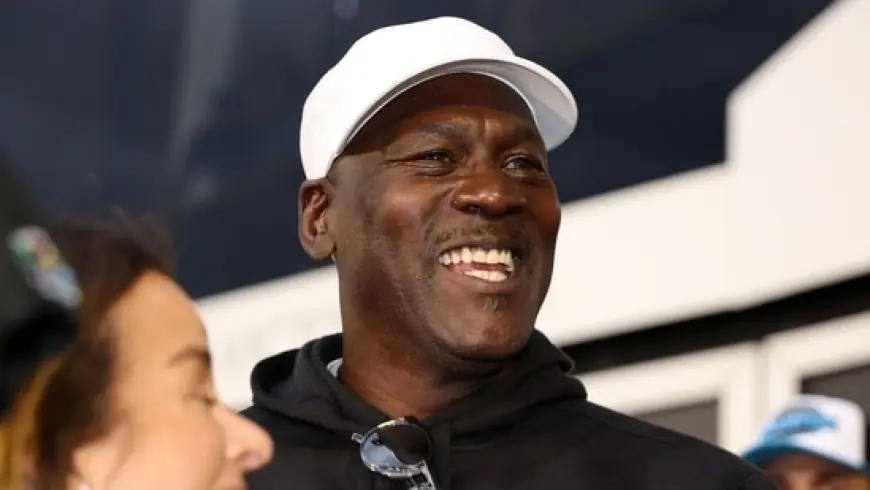
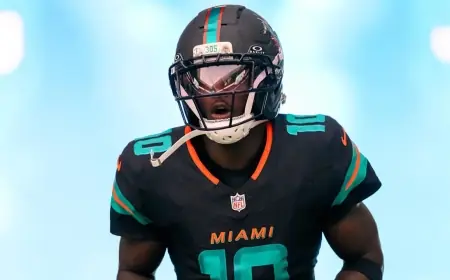
The 2026 Daytona 500 ended Sunday, February 15, 2026 ET with a familiar superspeedway punchline: the winner didn’t need to dominate the day, just the moment that mattered. Tyler Reddick delivered a Daytona 500 victory for 23XI Racing, the team co-owned by Michael Jordan and Denny Hamlin, surging to the front in the final seconds and locking up the sport’s most prestigious trophy in a finish shaped by late chaos and perfectly timed teamwork.
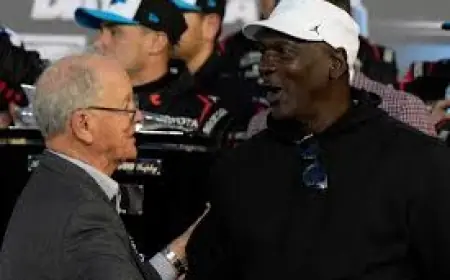
For Jordan, it’s a landmark motorsports moment that connects celebrity ownership to real competitive payoff. For NASCAR, it’s an early-season headline that sets the tone for a year where team economics, driver movement, and manufacturer parity are all under sharper scrutiny.
Daytona 500 results 2026: who won the Daytona 500 today
Who won the Daytona 500 today? Tyler Reddick won the 2026 Daytona 500 on Sunday, February 15, 2026 ET.
Top finishers included:
-
1 Tyler Reddick
-
2 Ricky Stenhouse Jr.
-
3 Joey Logano
-
4 Chase Elliott
-
5 Brad Keselowski
The ending mattered as much as the order. Reddick’s run to the line came with cars crashing behind and around the lead pack, and he capitalized on a late push from his 23XI teammate Riley Herbst to clear for the win. It was the kind of Daytona finish where the fastest car is often the one that gets the cleanest air at the last possible moment.
What happened at Daytona: the decisive move and the last-lap mayhem
The 2026 race played out like a modern Daytona script: long stretches of pack management, stage urgency, and a final segment where the line between aggression and catastrophe disappears.
Bubba Wallace, also driving for 23XI Racing, was a major presence in the race’s rhythm, winning Stage 2 and leading a significant chunk of laps. Zane Smith won Stage 1, underscoring how the front of the field rotated across manufacturers and teams as drivers jockeyed for track position without exposing themselves too early.
The final lap flipped the entire day into a split-second contest. Chase Elliott was in position to win before the last surge rearranged the front. When the push came, Reddick’s lane gained momentum at exactly the right time, and the race stayed green through the scramble.
Daytona 500 starting lineup: pole sitter and why it mattered less than you think
The Daytona 500 starting lineup had a clean headline: Kyle Busch started on the pole, with Chase Briscoe on the front row. Behind them, the early rows were stacked with proven superspeedway threats and title contenders, including Joey Logano and Chase Elliott near the front.
But Daytona’s reality is that starting position is a short-term advantage and a long-term risk. The pole can help you control the first few exchanges, yet it can also paint a target on your bumper when the pack decides it’s time to reshuffle. By the final stage, the race typically belongs to whoever can keep a drafting partner, avoid the worst trouble, and still have a lane when the checkered flag is in sight.
Michael Jordan, 23XI Racing, and the incentives behind the headline
Jordan’s presence turns a NASCAR win into a broader sports-business story, but the deeper driver is incentive alignment. Team ownership at the Cup level is a high-cost, high-variance bet. What 23XI gains from a Daytona 500 win isn’t only prize money and a trophy photo. It’s sponsor leverage, talent gravity, and negotiating power in a sport where charters and revenue structure can make the difference between stability and scramble.
For Hamlin, the co-owner angle is equally sharp: he’s both a competitor and a stakeholder in the broader business model. A signature win for the organization strengthens the case that a newer team can compete with legacy operations on the biggest stage, which matters when sponsors and partners decide where to place long-term money.
Tyler Reddick and the personal layer: why fans latched on to the family story
Reddick’s win also landed with emotional weight because his family has been navigating a difficult period involving his infant son’s health. That context didn’t win the race, but it shaped how the victory was received: a public reminder that elite performance often runs alongside private stress, and that the margins at Daytona can feel enormous when life off-track is demanding.
What we still don’t know: the missing pieces that will shape the 2026 season
Even with a clear winner, the early-season fog remains:
-
How much of the closing-lap outcome was planned teamwork versus opportunistic reaction
-
Whether the late-race incidents will trigger any post-race debate about enforcement standards at superspeedways
-
How 23XI’s speed translates to intermediate tracks where raw pace and pit execution matter more than drafting luck
-
Whether Wallace’s strong stage performance turns into wins as the schedule moves away from Daytona-style racing
What happens next: realistic scenarios and triggers
1 The win becomes a springboard: 23XI converts momentum into multiple victories. Trigger: consistent qualifying speed and clean pit cycles in the next month.
2 The Daytona result proves isolated: the team cools off as the series shifts to non-drafting tracks. Trigger: mid-pack qualifying and track-position struggles.
3 Wallace breaks through: strong Daytona form evolves into a points and wins run. Trigger: closing-race execution improves and late cautions fall his way.
4 NASCAR tweaks the tone: officiating and race management become a louder conversation after another chaotic finish. Trigger: repeated late incidents in upcoming drafting races.
5 Reddick’s title case firms up early: he stacks stage points and top fives. Trigger: disciplined strategy and fewer unforced mistakes.
The quick look back: who won the Daytona 500 in 2025
The 2025 Daytona 500 was won by William Byron. That matters because it highlights how quickly Daytona crowns change hands and how thin the margin is between repeat contention and a race-ending incident.
This year, the headline belongs to Tyler Reddick, Michael Jordan, and a 23XI Racing breakthrough that turns ownership ambition into the one prize every NASCAR team circles in red.