




















Hillary Clinton Confronts Czech Foreign Minister on Trump Criticism

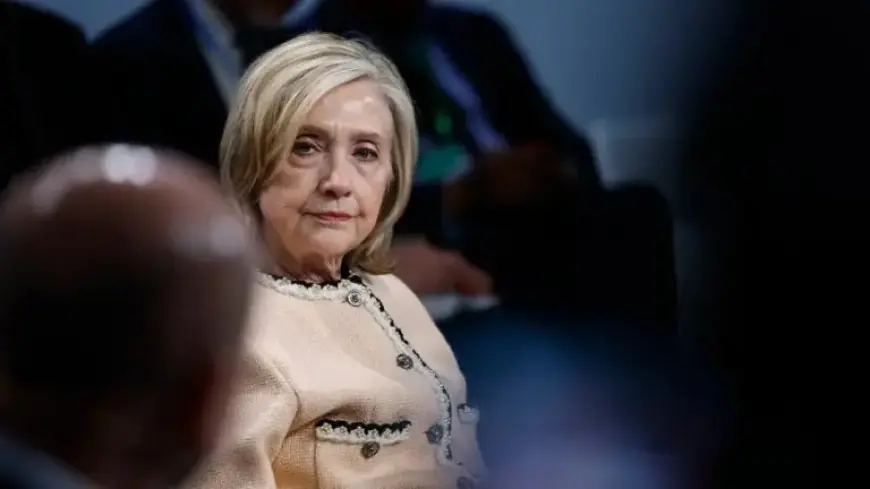
During the Munich Security Conference, Hillary Clinton engaged in a heated exchange with Czech Foreign Minister Petr Macinka regarding Donald Trump’s criticism. Clinton stated, “He has betrayed the West,” referring to Trump’s actions and their implications for international relations. She emphasized the breaches of fundamental values, including the NATO and Atlantic charters and the Universal Declaration of Human Rights.
Clinton’s Strong Remarks Against Trump
Clinton expressed her concerns over Trump’s potential impact on democracy and human rights globally. She criticized Trump’s approach, stating, “None of us in this room would choose to live under a regime that was so unaccountable that it could act with impunity like Putin does.” This remark connects Trump’s behavior to authoritarian tendencies.
Czech Foreign Minister’s Response
Macinka was prompted to share his views on Trump’s influence, particularly regarding Ukraine. Instead of directly answering, he remarked on Clinton’s clear disdain for Trump, stating, “I think you really don’t like him.” Clinton acknowledged this sentiment, articulating that her criticism is based on Trump’s detrimental impact on both the United States and global affairs.
The Discussion on Policies and Ideologies
- Macinka argued that Trump’s actions represent a reaction against policies that stray too far from the general populace.
- The Czech official expressed disagreement with contemporary issues such as gender equality and climate change initiatives.
Clinton countered by questioning whether opposing human rights justifies neglecting the struggles of Ukrainians fighting for their freedom. She used the example of gender rights to highlight the absurdity of equating personal rights with political decisions that endanger nations.
Significance of the Exchange
This dialogue not only underscores the deep divisions in political ideologies but also emphasizes the importance of maintaining democratic values in the face of populism. Clinton’s readiness to confront these issues illustrates her commitment to human rights and democracy on a global stage.
As international relations evolve, the implications of such exchanges could influence diplomatic strategies and alignments moving forward, particularly regarding the United States’ role in global governance and human rights advocacy.