























Trump Administration Faces Unprecedented Credibility Loss with Judges, Grand Juries

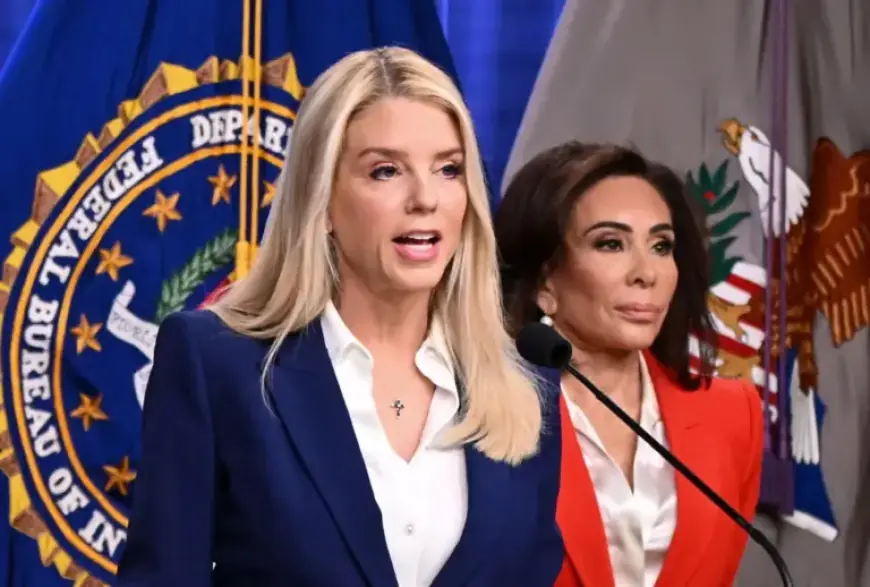
The Trump administration is facing significant credibility challenges with judges and grand juries, reflecting a deterioration of trust in its legal processes. Federal prosecutors encountered a setback on February 10, 2026, when a grand jury in Washington, D.C., declined to indict six Democratic lawmakers accused of disobeying orders associated with President Donald Trump. This unprecedented refusal marks a troubling trend of losses for Trump’s administration in court.
Key Events Leading to Credibility Loss
In November 2025, controversy erupted when a video featuring six Democratic lawmakers urged military and intelligence officials to disregard illegal orders. President Trump responded by labeling the lawmakers as seditionists, a charge that, if taken seriously, carries severe legal implications.
- Date of Grand Jury Decision: February 10, 2026
- District Attorney: Jeanine Pirro
- Subject of Video: Democratic lawmakers advising military and intelligence officials
Notably, this grand jury decision is not an isolated incident. It’s part of an ongoing pattern where grand juries have pushed back against the administration’s legal strategies, raising questions about the credibility of federal prosecutors.
Understanding the Grand Jury Process
The grand jury is a constitutionally embedded body tasked with determining probable cause in criminal cases. Typically composed of 16 to 23 ordinary citizens, grand juries assess evidence presented by U.S. attorneys but do not hear testimonies from defense counsel. This allows prosecutors to present cases with a commanding advantage.
- Number of Jurors: Between 16 and 23
- Role: To determine probable cause for indictments, not guilt or innocence
- Prosecutor’s Discretion: Controls which evidence to present
The secrecy surrounding grand jury proceedings means the public is largely unaware of the evidence considered in these cases. In the instance of the recent indictment attempt, the specific charges against the lawmakers remain undisclosed.
Implications of Credibility Erosion
The refusal of a grand jury to issue indictments under conditions where a case would typically be accepted suggests a profound skepticism of the administration’s legal arguments. John E. Jones III, a former federal judge and current president of Dickinson College, emphasizes this unprecedented skepticism in grand jury operations.
Consequences for the Justice System
The lack of trust in the Department of Justice (DOJ) could hinder the functioning of the judicial system. Previously viewed as a reliable entity, the DOJ now struggles with perceptions of partiality and misused power. Critics argue that this perception stems from the executive branch’s influence over legal proceedings, which unfairly targets perceived adversaries.
Additionally, should these lawmakers have been indicted, they would have been compelled to engage in lengthy legal battles, diverting their focus and resources. The process itself often serves as a form of punishment, echoing sentiments that the trauma inflicted can equate to an actual conviction.
As public trust in legal institutions wanes, it raises essential questions about the future of justice in a landscape marred by political biases. The Trump administration’s actions, coupled with the reactions of grand juries, underscore a critical juncture in the trajectory of American legal and political accountability.