
























Brandon Ingram’s All-Star Night Raises Playoff Questions for the Raptors

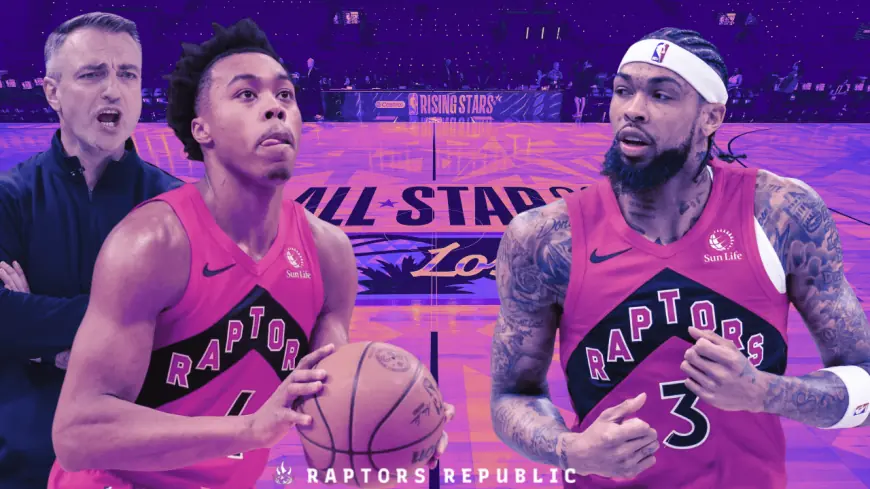
Brandon Ingram’s presence at All-Star festivities offered a mix of promise and unanswered questions for the Toronto Raptors. While the All-Star nod underscores his season-long production, a subdued live-game cameo and a sparse postseason résumé have spotlighted a central debate: can Ingram be the go-to playoff engine a contending team needs?
All-Star snapshot: limited minutes, limited impact
The midseason showcase delivered what many expected — a celebration of talent rather than a tactical stress test — but Ingram’s outing was notable for how little the box score reflected his All-Star selection. In the USA vs. World exhibition action that preceded the main event, Ingram checked in but finished with two rebounds and an assist and missed all three of his shot attempts. He was often defended tightly in the paint and struggled to get consistent looks when matched up with quick, switched defenders.
Those brief minutes don’t erase his body of work this season: Ingram earned an All-Star berth because he has been a reliable scorer and primary creator for Toronto. Still, the live-game glimpse highlighted a concern that has trailed him: in settings where possessions are contested and intensity rises, his offensive impact can wane if the supporting cast is not optimally positioned or if defenses force him into low-percentage plays.
Playoff pedigree — or lack of it — looms largest
At 28, Ingram comes into this season as the Raptors’ leading scorer and a clear offensive focal point. Yet his playoff track record is thin. Across his career, he has appeared in only a handful of postseason games and has never advanced past the first round as the primary option. That history raises an unavoidable strategic question for Toronto: how much of the postseason load can Ingram shoulder before diminishing returns set in?
Playoff basketball changes the game plan. Rotations shorten, defenses become more physical and teams exploit mismatches relentlessly. Ingram’s time in New Orleans featured moments of high-level scoring, but those stretches often came without the benefit of a dependable co-star complement and were followed by collective team struggles. The Raptors must decide whether to lean on Ingram as the primary closer or to structure late-game sets that reduce the volume pressure on him and instead use him as one of multiple finishers.
Two All-Stars, one complementary framework
The silver lining for Toronto is the presence of Scottie Barnes alongside Ingram. Barnes’ downhill play, defensive versatility and ability to create for others provide the Raptors with options that previous iterations of Ingram’s supporting casts did not consistently offer. When both are functioning, defenses can’t simply funnel everything toward one creator, and that spacing opens up more efficient looks for both perimeter shooters and cutters.
What the Raptors need now is clarity over late-game roles and a playoff rotation that leverages Barnes’ physicality and Ingram’s scoring craft without overtaxing either player. If internal chemistry holds and coaching adjustments prioritize adaptable sets, the duo could alleviate many of the concerns attached to Ingram’s playoff résumé. Conversely, if the postseason plan reverts to predictable isolation sequences centered solely on Ingram, Toronto risks replaying past patterns where an elite scorer does not translate into deeper series victories.
In sum, Ingram’s All-Star acknowledgement affirms his elite-level regular-season production, but the live-game glimpse and his limited playoff experience underscore a larger organizational task: building a postseason blueprint that maximizes his strengths while protecting him from becoming the single point of failure. How the Raptors answer that challenge will determine whether this season becomes a breakthrough or another near miss.