




















Wuthering Heights: Lust, controversy and a contested box office debut

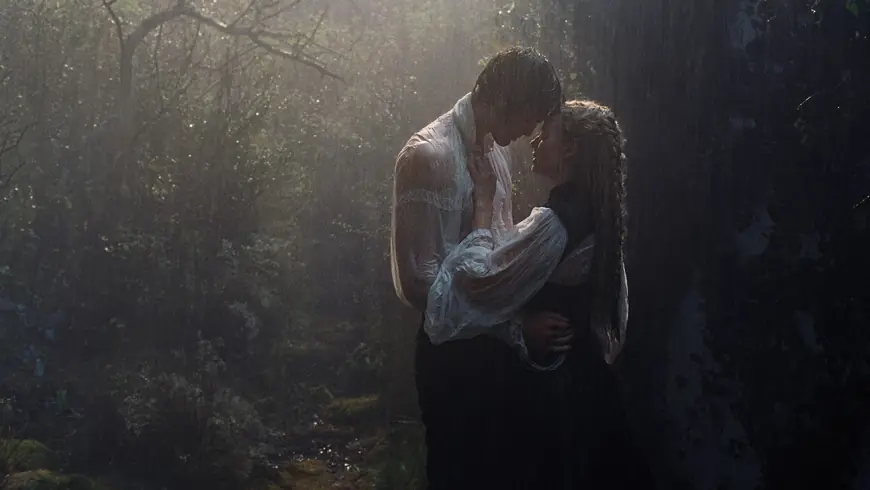
Emerald Fennell’s provocative remake of Wuthering Heights has opened to a split response: enthusiastic local endorsement from staff at the Brontë Parsonage Museum and brisk ticket sales that nonetheless risk falling short of early studio hopes. The film’s eroticised, revisionist take on Emily Brontë’s 1847 novel is dominating weekend attendance while prompting debate about fidelity, taste and market momentum.
Box office: a strong start — but not a runaway
The film led Valentine’s weekend box office activity, with Saturday alone bringing in $14. 4 million and a three-day total that reached $34. 8 million by Sunday night ET. Studio projections had fluctuated in the run-up to release, with some internal tracking at one point suggesting a possible domestic opening around $40 million; at the time it will need a robust Monday (Presidents Day) to nudge the four-day haul to that mark.
Complicating the landscape is an animated original that has over-performed, pulling family audiences and threatening to narrow the gap. That contender earned roughly $26 million over the weekend and is forecast to add another $7 million on Monday for an estimated four-day start near $32 million. Internationally, the hybrid picture and Wuthering Heights are each contributing to what could be a combined global weekend in the neighborhood of the low eighties in millions.
Early audience polling has not been uniformly glowing. Exit polling and an average audience score suggest strong interest but not universal praise, and the public reaction leans mixed enough that some box office forecasters lowered initial projections in the final days before release. Still, the film’s draw — particularly among women and younger viewers courted by the marketing — has made it the weekend’s top grosser so far.
Local reactions: museum staff embrace a risqué riff
At the Brontë Parsonage Museum in Haworth, staff watched a preview screening and largely embraced Fennell’s take. Members of the team described the film as “amazing, ” “exciting” and a “fever dream” that brings fresh intensity to the Cathy–Heathcliff dynamic. Several staffers said the adaptation captured emotional truths of the novel while deliberately departing from period-accurate fidelity.
One visitor experience coordinator called it a refreshing alternative to previous screen versions, and the museum’s outreach staff emphasised that the film could drive curiosity back to the original book even as it divides purists. The museum’s most recent biographer of Emily Brontë also attended an early screening and found much to enjoy, praising performances and the film’s blend of intensity and mischief.
Artistic choices and the debate over faithfulness
Fennell’s version amplifies sexual imagery and inserts modern erotic motifs — from bold BDSM elements and explicit scenes on the moors to provocative symbolic choices — while streamlining or omitting portions of the novel, notably excising much of the book’s second half. Those choices were framed by the director as a personal, contemporary response to the source material rather than a literal translation.
The result is polarising: for some viewers and museum staff the reinvention is a welcome shock that revitalises a classic; for others, changes to characterisation and plot structure risk alienating literature purists and academic readers. The lead performances have been widely discussed, with the casting and portrayal of central characters prompting particular attention and debate.
As the film continues its theatrical run, box office momentum and word-of-mouth will determine whether this bold reinterpretation becomes a cultural flashpoint or a successful commercial gamble. For now, it has secured headlines, packed houses and a lively conversation about how far a director can push a canonical text while still drawing audiences back to the original work.