





















Draymond Green Blames All-Star Overscheduling for Lack of Intensity; Fans Worry About Stephen Curry’s Knees

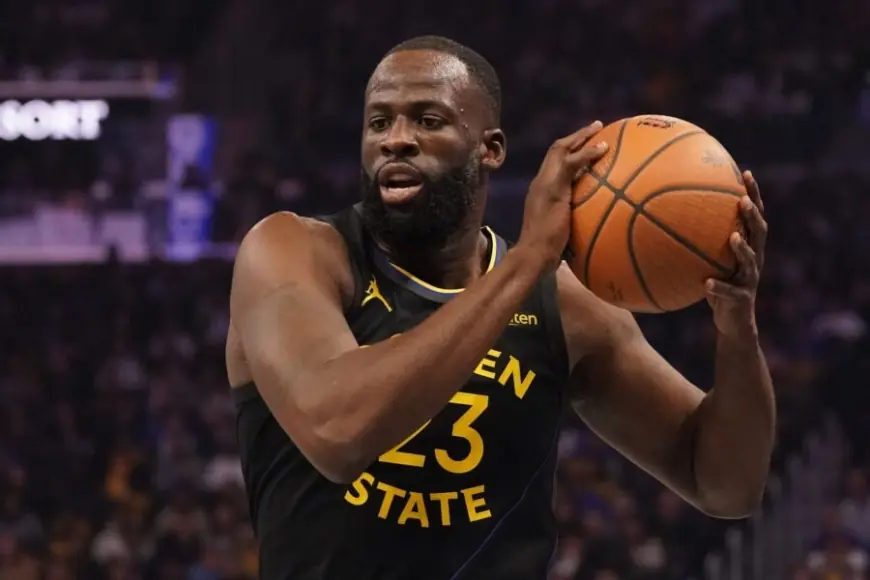
Draymond Green laid responsibility for the perceived drop in All-Star Game intensity squarely on the event calendar, arguing that an overpacked weekend leaves elite players without the preparation they need to compete at full speed. The veteran forward described a day of mandated appearances and obligations that cut into the practice, recovery and treatment routines players rely on during a normal game week.
Green: Too many commitments, too little prep
Speaking on his podcast late Friday, Feb. 14, 2026, at 11: 02 p. m. ET, Green walked through the parade of mandatory events that precede the All-Star Game and explained why those commitments blunt the competitive edge. He listed community appearances, sponsor activations, media obligations and other stops that eat into what would otherwise be a full day of game preparation.
"I’ve been at this community thing, I’ve been at this event, I’ve been at this this sneaker deal thing, I’ve been at this this podcast thing, " Green said, adding that by the time he reaches gametime he often gets "20 minutes to shoot the basketball. " He contrasted that with his normal routine: morning workouts, cardio, treatment, hot tub recovery, time in the weight room, shooting sessions, team meetings and taping with trainers — a sequence he relies on to feel confident attacking a regular-season contest.
Green argued the truncated preparation encourages caution. Players understandably avoid risking injury when they haven't had their usual recovery and conditioning work. His proposed fix: let big-name players who weren’t selected for the All-Star rosters handle many of the peripheral events so the All-Stars can devote their time to preparing for the game itself.
Reaction: injury concerns and a spotlight on Stephen Curry
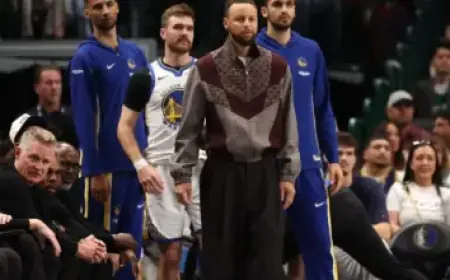
Green’s comments generated quick reaction online, with fans and observers highlighting how an overscheduled All-Star weekend can feed broader concerns about player health. Much of the chatter zeroed in on Stephen Curry, whose balky knees have been a recurring talking point. Some fans urged a targeted offseason strengthening plan rather than simply more rest, arguing that structured rehabilitation and conditioning will be more effective than passive downtime.
Other responses reflected the perennial tension between spectacle and safety. Supporters of a full-throttle All-Star contest called for competitive integrity and less softness, while others emphasized that the modern NBA’s pace, travel and financial stakes make injury avoidance a rational priority for star players. Several comments noted that when top players return to their clubs, medical staffs, training regimens and individualized care plans play a far greater role in ensuring availability through the playoffs than weekend appearances do.
The conversation also touched on roster depth and timing: fans wondered when key contributors such as Curry and fellow injured stars might truly be ready to play at playoff intensity. That uncertainty, they said, makes teams and players cautious about taking unnecessary risks in an exhibition setting.
Implications for future All-Star formats
Green’s proposal to redistribute event responsibilities could prompt reconsideration of how All-Star weekend is structured. League officials and event planners face competing priorities: maximize fan engagement and commercial value while protecting player health and preserving competitive quality. Shifting some activations away from All-Stars, compressing media obligations, or creating clearer windows for player recovery are among the options floated by observers.
Whether organizers adopt meaningful changes remains to be seen, but Green’s remarks add weight to a recurring critique: the modern All-Star weekend may have outgrown its format. If the goal is a showcase that still features high-level, competitive play, stakeholders will need to reconcile spectacle with the practical demands of elite athlete preparation.
For now, the debate keeps the spotlight on player welfare and on marquee names like Stephen Curry, whose availability and long-term health remain central to team fortunes as the season moves toward the playoffs.