
























‘Wuthering Heights’ Gallops Toward $82 Million in Global Ticket Sales

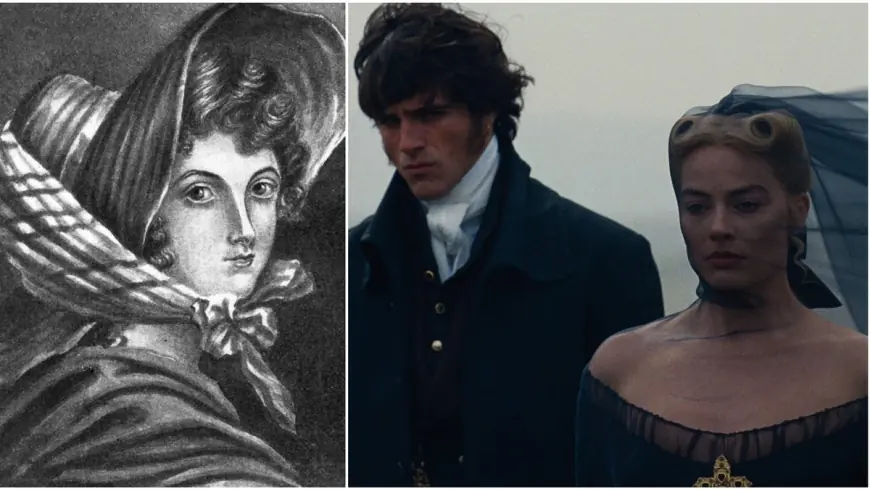
Emerald Fennell’s lacquered, R-rated remake of Wuthering Heights opened to a crowd of predominantly female moviegoers this holiday weekend, banking a roughly $34. 8 million three-day domestic debut and on pace for about $40 million through the four-day weekend. Overseas takings pushed the global total toward an estimated $82 million, a strong start for a literary adaptation that had stirred awards-season interest long before release.
Box office surge and audience profile
The film opened wide in more than 3, 600 North American locations and in over 18, 000 theaters worldwide, giving it one of the year’s largest rollouts for a director-driven drama. Studio estimates put the three-day North American gross at $34. 8 million, with the cumulative four-day holiday total expected to reach roughly $40 million by Monday, Feb. 16 (ET). Overseas receipts added about $42 million to the tally, driving the worldwide debut near $82 million.
Exit polling and audience tracking showed a distinctly female skew to the crowd, with roughly three-quarters of ticket buyers identifying as women. Early exit polling assigned the film a B grade in CinemaScore-style polling. The movie’s performance made it the weekend’s top title during a period that included Valentine’s Day on Saturday, Feb. 14, and Presidents Day on Monday, Feb. 16 (ET), a valuable box office window for adult-skewing fare.
Industry implications: a win for women filmmakers
The film’s financial start has reignited discussion about how studios back directors, particularly women. The production cost for the R-rated romance was an estimated $80 million, not counting heavy marketing spend, and the choice to give the project a wide theatrical opening contrasts with offers that prioritized streaming-only distribution. The director, who wrote the adaptation, and the film’s lead opted for a distributor that guaranteed a theatrical rollout—an arrangement that helped place the movie in thousands of screens worldwide.
Observers point to this release as a reminder that big theatrical openings for female-directed features can deliver sizable returns. A prominent researcher who tracks gender representation in film noted that studios routinely give inexperienced male filmmakers multiple chances, while women face a steeper climb for consistent support. That researcher’s recent findings show women made up only about 13 percent of directors on the top-250 domestic box office films last year, down from 16 percent the year before—trends that industry executives say are troubling amid a prolonged creative slowdown and flatlining ticket sales relative to pre-pandemic years.
Some studio executives see the movie’s performance as cause to reconsider risk calculations: a commercially viable, director-led adaptation helmed by a woman that attracted audiences and generated significant opening-weekend receipts. The picture also illustrates how a film can carry awards-season cachet into box office returns when paired with a release strategy that prioritizes theaters.
Adaptation choices and what’s next
Fennell’s reworking of the 19th-century novel trims the sprawling source material, ending the film roughly midway through the original book and closing on a tragic sequence that differs from the multigenerational arc readers may expect. That choice removes the next-generation storyline and undercuts the possibility of an immediate sequel built on the novel’s later chapters. The director has described the adaptation as a focused, singular telling of the central relationship rather than the sprawling family saga found in the novel.
With the movie now in theaters and delivering a high-profile opening, the trade conversation will likely turn to whether other studios follow this example—backing distinctive voices, including women filmmakers, with the budgets and theatrical commitments needed to reach mass audiences. For now, the film’s debut offers both a commercial foothold and a cultural talking point about who gets the opportunities to direct major releases.