
























Rupert Lowe launches Restore Britain as national party, sets sights on Great Yarmouth

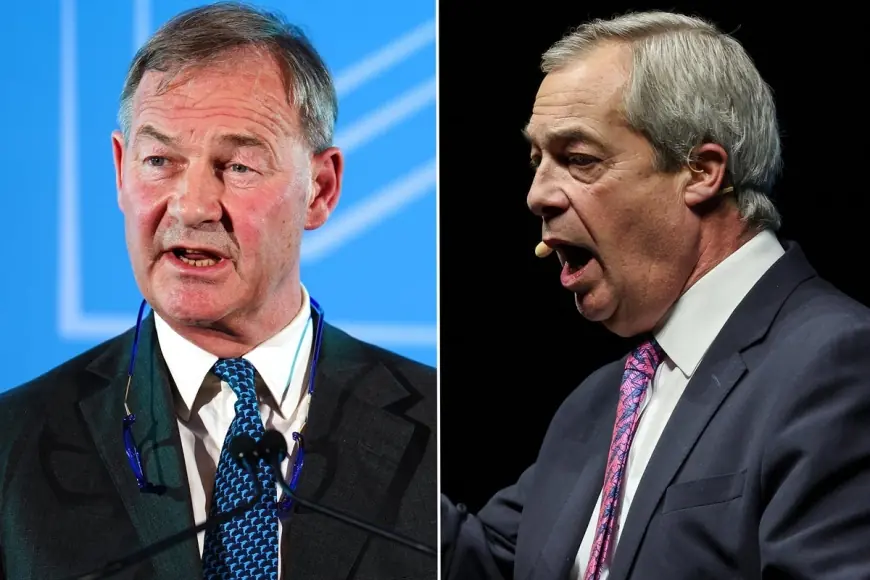
Rupert Lowe, the Great Yarmouth MP who left his former party last year, has formally converted his Restore Britain movement into a national political party. The announcement, made on Friday night (ET), signals an attempt to knit together a patchwork of locally based groups and to mount a renewed bid for his Norfolk seat.
From movement to party: what Lowe says Restore Britain will be
Lowe, a businessman and farmer who previously chaired a Premier League football club, described Restore Britain as a national political party that will act as an umbrella for local organisations. He first set up Restore Britain as a political movement after being suspended from his previous party last March. The suspension followed allegations that he had threatened a senior party official; the Crown Prosecution Service later concluded there was insufficient evidence for a realistic prospect of conviction.
The new party is expected to partner with locally focused groups, with Great Yarmouth First named as a key ally for Lowe’s projected re-run in his coastal constituency. Lowe has framed the move as a response to what he calls a disconnect between mainstream politicians and voters in towns such as Great Yarmouth, arguing that locally rooted organisations can offer a more direct, independent voice on issues including immigration, crime and local services.
Political fallout and shifting alliances on the right
The relaunch comes amid immediate upheaval within the advisory circles that once supported Lowe’s movement. Two senior Conservative figures who had been associated with an advisory board are understood to be stepping away now that Restore Britain has become a formal party. Their departures underscore a broader hesitation among established politicians about associating with a new, untested vehicle on the right.
At the same time, other small right‑aligned organisations and high‑profile activists have indicated interest in closer collaboration. That has raised the prospect of vote‑splitting on the political right in marginal contests, a dynamic that could reshape result calculations if a general election is called. Campaign strategists note that a small swing or a handful of challengers in tight seats can alter outcomes in constituencies where recent winning margins were narrow.
Lowe’s style – described by a regional political editor as somewhat maverick and not especially collegiate – has attracted a following among activists who favour a harder line on immigration and national identity. The new party will test whether that appeal translates beyond local rallies and online amplification to deliver seats or influence at council and parliamentary level.
Implications for Great Yarmouth and the wider race
Locally, Restore Britain’s formalisation is intended to capitalise on Lowe’s personal profile in Great Yarmouth. He was first elected to Parliament as a candidate of his former party in July 2024 (ET) and now sits as an independent. He and his allies argue that their local alliances can revive political engagement in areas where candidates from national parties have been perceived as out of touch.
Nationally, the party’s emergence could fragment the right‑of‑centre vote in target constituencies, making it harder for any single group to consolidate gains. For established parties, the new entrant presents a choice: attempt to court disaffected voters with tougher messaging, or focus on shoring up core bases and local ground games to counter small challengers.
Restore Britain’s success will depend on its ability to convert local partnerships into organised campaigning and on whether prominent backers sustain public support. For now, the launch marks another episode in a volatile period for smaller parties and movements jockeying for position on the right, with potential consequences for marginal seats and the balance of forces ahead of the next national contest.