
























Britain Confronts Olympic Curling Surveillance Infractions

Recent surveillance controversies have emerged in Olympic curling, particularly affecting the British and Canadian teams. The situation escalated at the 2026 Winter Olympics in Cortina d’Ampezzo, Italy, following incidents of alleged infractions.
Details of the Incident
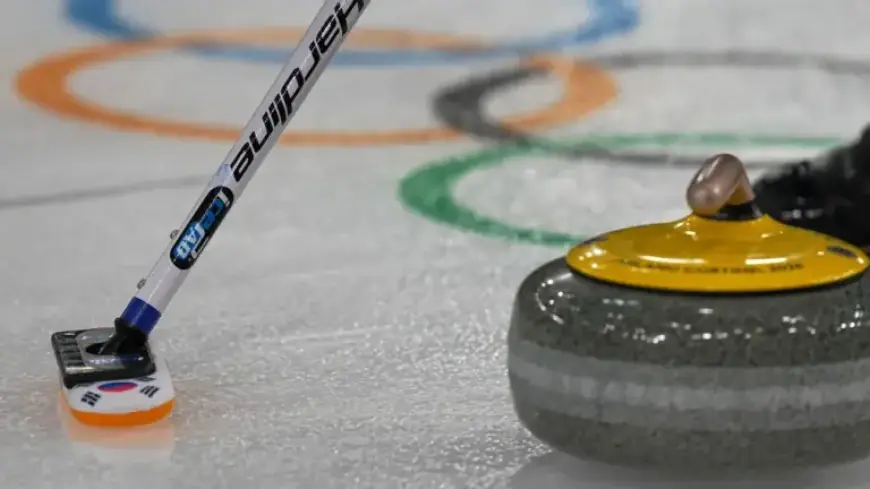
On February 15, 2026, during a match, the British men’s team faced scrutiny when a stone thrown by curler Bobby Lammie was disqualified. Officials determined that Lammie had touched the stone after releasing it, a violation labeled “double-touching.” This incident marked a shift in focus, as similar allegations previously targeted Canadian curlers.
Background of the Controversy
The controversy originated two days earlier when the Canadian men were accused of double-touching by their Swedish opponents. The tension intensified when the Canadian women’s team also saw a stone removed in their match against Switzerland, escalating the scrutiny of both teams.
- Date: February 13 – Allegations begin against Canadian men
- Date: February 14 – Canadian women penalized for similar infraction
- Match: British vs. Germany – February 15, 2026
Reactions and Responses
In response to these infractions, World Curling implemented increased monitoring by assigning umpires to observe all four matches in each round. However, after the latest incident, the federation announced a reversal of this policy. Umpires will no longer automatically monitor games; instead, their presence will be available upon request by the teams.
Debate Over Video Replay
The lack of consistency in officiating has sparked discussions within the curling community. Some athletes feel that double-touching should not be enforced so stringently, given its subjective nature. Conversely, the idea of introducing instant video replay for disputes has garnered mixed responses.
- Johanna Heldin (Sweden): Expressed concern about potential disruptions to gameplay.
- Tara Peterson (U.S.A.): Strongly endorsed the use of video replays for clarity in calls.
- Tabitha Peterson (U.S.A.): Highlighted the effectiveness of video technology in other sports.
As the Olympic curling tournament progresses, the implications of these infractions and surveillance practices continue to unfold. The adherence to strict rules has thus ignited a broader conversation about how technology can enhance fairness in this traditional sport.