




















Silence of the Lambs Creators Respond to Criticism from LGBTQ Viewers

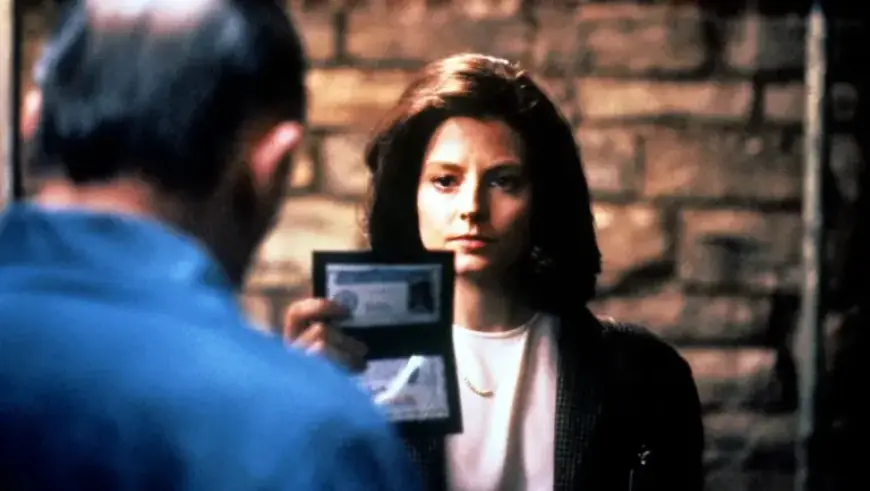
As The Silence of the Lambs marks its 35th anniversary, discussions around its impact on the LGBTQ community have resurfaced. The film, directed by Jonathan Demme, premiered on February 14, 1991, and adapted Thomas Harris’ acclaimed novel. It featured Jodie Foster as Clarice Starling and Anthony Hopkins as Hannibal Lecter, gaining significant attention and awards.
The Complexity of Buffalo Bill’s Characterization
Buffalo Bill, portrayed by Ted Levine, is central to the film’s tension. Over the years, this character has sparked conversation regarding gender representation. Levine recently expressed mixed feelings about the portrayal of Buffalo Bill and emphasized his new understanding of transgender issues. He noted, “There are certain aspects of the movie that don’t hold up too well,” and acknowledged the potential harm caused by the film’s stereotypes.
- Levine believes the film inadvertently vilified trans identities.
- He clarified his portrayal was of a “fucked-up heterosexual man,” not a trans individual.
Legacy of Silence of the Lambs
The Silence of the Lambs achieved remarkable box office success, grossing $272 million globally (equivalent to $659 million today). It also became the only horror film to win the “big five” Academy Awards: Best Picture, Best Director, Best Actor, Best Actress, and Best Adapted Screenplay.
Production Insights
Initially, prominent actors like Gene Hackman and Sean Connery were offered lead roles, but Demme ultimately cast Foster and Hopkins. Foster was initially regarded as an unconventional choice for Starling, but her passion for the book won Demme over.
Reflection on Impact
Edward Saxon, a producer on the film, admitted that they failed to fully consider the implications of Buffalo Bill’s portrayal on the LGBTQ community. He remarked, “We weren’t sensitive enough to the legacy of a lot of stereotypes and their ability to harm.” This acknowledgment highlights the evolving understanding of transgender narratives over time.
- AFI named Hannibal Lecter the top screen villain.
- The film’s dialogue, particularly Levine’s quote, remains ingrained in popular culture.
As discussions about representation gain traction, the creators of The Silence of the Lambs strive to acknowledge past shortcomings. Despite the controversies, the film remains a significant cultural touchstone. Levine recalls the filming as a rewarding experience, praising director Jonathan Demme for his talent.
As society re-examines narratives surrounding gender and identity, the reflections from those involved with The Silence of the Lambs provide a glimpse into the ongoing dialogue about representation in film.