




















‘Love Story’ Recreates a Tragic Romance in New Anthology Debut

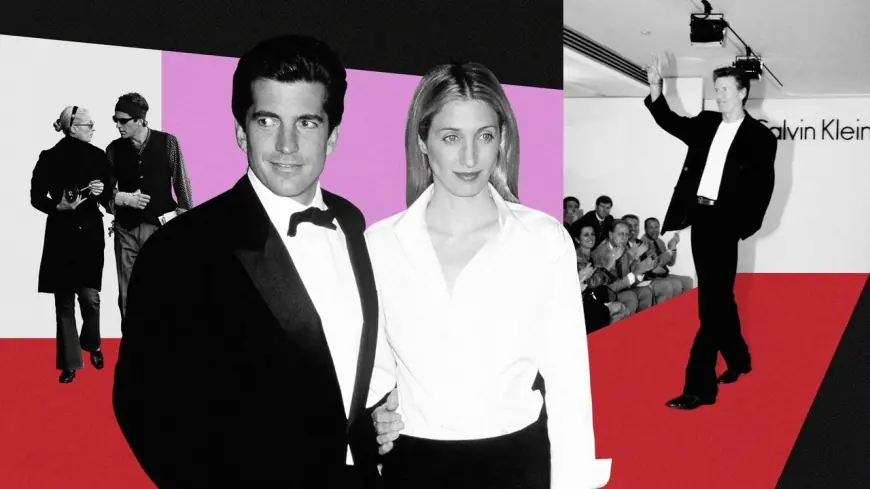
Ryan Murphy’s new anthology installment, Love Story, opens this week with a dramatized look at the relationship between John F. Kennedy Jr. and Carolyn Bessette. The series, which draws on Elizabeth Beller’s biography of Bessette and is created by Connor Hines, revisits the couple’s magnetic public presence, their private struggles and the fatal plane crash that ended their lives. For those tracking the cultural afterlife of the Kennedys, the show reignites questions about storytelling, image and ownership of a fraught family history. The keyword love story jfk jr has returned to the cultural conversation as the series begins its rollout Thursday.
How the series frames the Kennedy romance
Love Story opens with a deliberately jarring prologue: a small airport meet-up, a brief flight and a lingering shot of an airplane cutting away over water. That sequence establishes the series’ narrative choice to begin at the end, then rewind to chart the couple’s courtship and marriage. The plot follows the pair from their 1992 meeting through their 1996 wedding and the intense scrutiny that accompanied their public lives in 1990s Manhattan.
Creators compress decades of media attention into scenes that emphasize image and performance. John is depicted as a childhood shaped by spotlighted loss, a man who evolved from the once‑ubiquitous media figure known as a son of Camelot into a magazine founder and social fixture. Carolyn’s arc centers on her rise in fashion public relations, her famously spare wardrobe and the mystique that came with marrying into a dynasty. Casting choices underline those contrasts: Sarah Pidgeon plays Carolyn, while Paul Anthony Kelly portrays John. Supporting roles include portrayals of family members and industry figures who populated the couple’s orbit.
Stylistically, the series leans on period details—the tailored designer looks, glossy magazine launches, and tabloid culture—to recreate the 1990s backdrop. Those production decisions aim to make palpable the pressures that attended the couple’s life together: constant public gaze, intrusion and the paradox of intimacy under fame. The series also signals from the outset that it expects viewers to bring a degree of cultural literacy about the Kennedys and the era’s media ecosystem.
Casting, context and the ethics of dramatizing tragedy
Beyond casting, Love Story raises immediate questions about dramatizing real people whose lives ended tragically. The show cites a bestselling biography of Carolyn Bessette as source material and takes liberties common to docudramas, compressing timelines and imagining private conversations. That approach has prompted debate about whether such portrayals help illuminate human complexity or risk exploiting grief for entertainment value.
Critics and family members have weighed in publicly, some objecting to the commodification of a well‑known personal tragedy. A member of the extended family publicly expressed that dramatizing the couple’s life felt like profiting from loss. The showrunner’s blunt public remarks in response to that criticism intensified the discussion, with some seeing his comments as dismissive and others viewing them as a defense of artistic license. The exchange has sharpened a larger argument over who gets to tell which stories, and under what constraints.
Proponents of the series argue that dramatizations can offer fresh perspectives on people otherwise flattened by myth and headline culture. Skeptics counter that the Kennedy name carries a particular mythos—one that has been managed, contested and mythologized across decades—and that new retellings risk reinforcing or reshaping that myth without consent from those closest to it. Love Story’s creative team appears to aim for a balance between spectacle and intimacy; whether viewers and the family will accept that balance remains to be seen.
What to watch for
Viewers should expect a blend of glossy period recreation and intimate character work: the prosthetics, costuming and production design that signal a specific era, alongside scenes that try to probe private tensions. The series’ decision to open with the deaths and then move backward suggests an emphasis on inevitability and the weight of public mythology. As the show circulates, anticipate continued discussion about representation, the boundaries of dramatization and how popular culture revisits high‑profile personal tragedy. For audiences drawn to the intersection of fame, fashion and grief, Love Story offers a tightly framed, and likely divisive, entry into that terrain.