



















2026 Winter Olympics Alpine Skiing: Bormio’s Surprise Slalom, Cortina’s Speed Tests, and How the New Team Combined Is Reshaping Medals

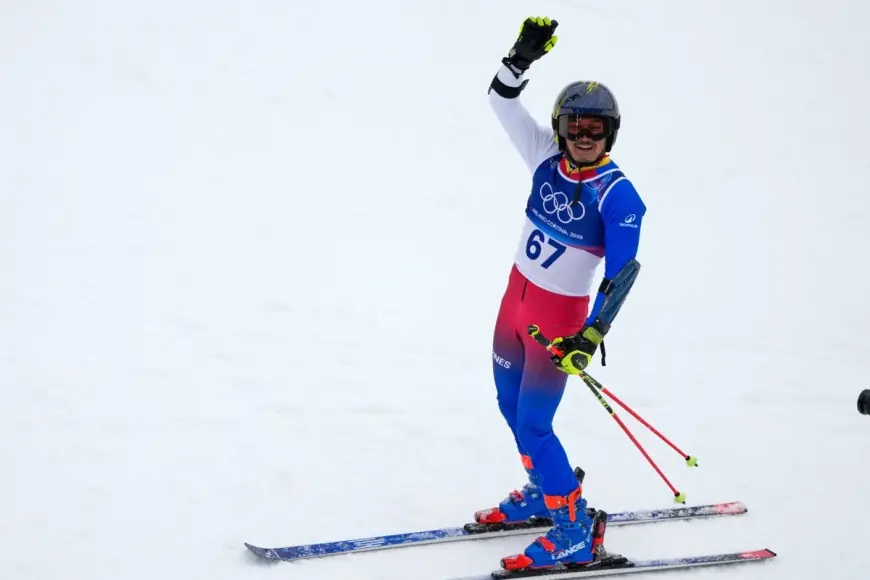
Alpine skiing at the 2026 Winter Olympics has turned into a two-venue story with two very different personalities: the men racing in Bormio at the Stelvio Ski Centre and the women racing in Cortina d’Ampezzo at the Tofane Alpine Skiing Centre. As the schedule tightens into the final technical races, one theme is emerging clearly: the margins are thin, the courses are punishing in different ways, and the sport’s newest format change is already altering how teams chase medals.
What happened and where it’s happening
The Olympic alpine program runs from 7 Feb through 18 Feb 2026, split cleanly by gender and venue. Men’s races are in Bormio, anchored by the famed Stelvio downhill terrain but paired with a slalom hill that is not a regular stop for top-level slalom racing. Women’s races are in Cortina, where the Tofane slopes put a premium on speed control, line choice, and confidence on steep, high-pressure sections.
A notable on-snow storyline is Bormio’s men’s slalom setup. Athletes have described it as deceptively difficult because it is comparatively flat for a slalom venue, forcing racers to manufacture speed rather than simply manage it. That creates a different kind of risk: small technical errors can become unrecoverable because there is less natural gradient to “bail you out” with acceleration.
The alpine skiing schedule in Eastern Time
Italy is six hours ahead of Eastern Time in February. Here is the key medal schedule translated to ET:
-
Sat 7 Feb: Men’s Downhill, 5:30 am ET, Bormio
-
Sun 8 Feb: Women’s Downhill, 5:30 am ET, Cortina
-
Mon 9 Feb: Men’s Team Combined downhill, 4:30 am ET, Bormio
-
Mon 9 Feb: Men’s Team Combined slalom, 8:00 am ET, Bormio
-
Tue 10 Feb: Women’s Team Combined downhill, 4:30 am ET, Cortina
-
Tue 10 Feb: Women’s Team Combined slalom, 8:00 am ET, Cortina
-
Wed 11 Feb: Men’s Super G, 5:30 am ET, Bormio
-
Thu 12 Feb: Women’s Super G, 5:30 am ET, Cortina
-
Sat 14 Feb: Men’s Giant Slalom run 1, 4:00 am ET, Bormio
-
Sat 14 Feb: Men’s Giant Slalom run 2, 7:30 am ET, Bormio
-
Sun 15 Feb: Women’s Giant Slalom run 1, 4:00 am ET, Cortina
-
Sun 15 Feb: Women’s Giant Slalom run 2, 7:30 am ET, Cortina
-
Mon 16 Feb: Men’s Slalom run 1, 4:00 am ET, Bormio
-
Mon 16 Feb: Men’s Slalom run 2, 7:30 am ET, Bormio
-
Wed 18 Feb: Women’s Slalom run 1, 4:00 am ET, Cortina
-
Wed 18 Feb: Women’s Slalom run 2, 7:30 am ET, Cortina
What’s behind the headline: why the new Team Combined matters
The sport’s biggest structural change is the move from a traditional single-athlete combined to a two-athlete Team Combined. Instead of asking one skier to be elite in both speed and technical disciplines, teams can pair a downhill specialist with a slalom specialist. That sounds like a simple format tweak, but it changes incentives in three major ways:
First, it shifts medal strategy from individual versatility to federation depth. Nations with broad benches can create “best-of-both-worlds” pairings, while smaller teams may be forced into compromises.
Second, it changes risk tolerance. Downhill specialists can attack more freely knowing a teammate will handle the slalom, and slalom specialists can focus on pure execution rather than conserving energy across two very different disciplines.
Third, it adds a tactical layer that fans rarely see. Pair selection, start-order management, and course-condition forecasting can matter as much as raw speed.
Stakeholders and pressure points
Athletes face the usual Olympic pressure, but course characteristics are magnifying it. In Bormio, the contrast between a steep, iconic speed track and a flatter, unfamiliar slalom hill raises fairness questions that only results can settle. Organizers want a distinctive Olympic identity for each venue. Federations want conditions that reward preparation, not improvisation. Broadcasters want drama without chaos. And equipment teams are under immense pressure because flat sections place a premium on glide and micro-efficiency, turning tiny setup choices into podium differences.
What we still don’t know
Several crucial details will only become clear as the last races unfold:
-
Whether Bormio’s flatter slalom produces tighter time gaps and more surprise contenders than typical Olympic slaloms
-
How often Team Combined pairings reward depth versus rewarding one superstar plus an adequate partner
-
Whether conditions in Cortina remain consistent enough for technical racers to trust aggressive lines, or whether visibility and surface changes force conservative skiing
What happens next: realistic scenarios to watch
-
A wide-open men’s slalom podium if the flat terrain compresses the field and punishes any hesitation.
-
A federation depth statement in Team Combined, where nations with multiple world-class specialists can optimize pairings.
-
A Cortina technical shakeup if surface conditions change between runs, turning early starters into unexpected favorites.
-
A tactical equipment story, especially in Bormio slalom, where glide and clean transitions can outweigh apparent aggressiveness.
-
A post-Games debate about whether the two-venue split and the flatter slalom hill should become a model or remain a one-off Olympic quirk.
Alpine skiing in 2026 is delivering a clear message: the sport is still about courage and technique, but medals are increasingly shaped by format design, depth, and the quiet choices teams make long before the start gate opens.