























Great Yarmouth MP Rupert Lowe launches Restore Britain party

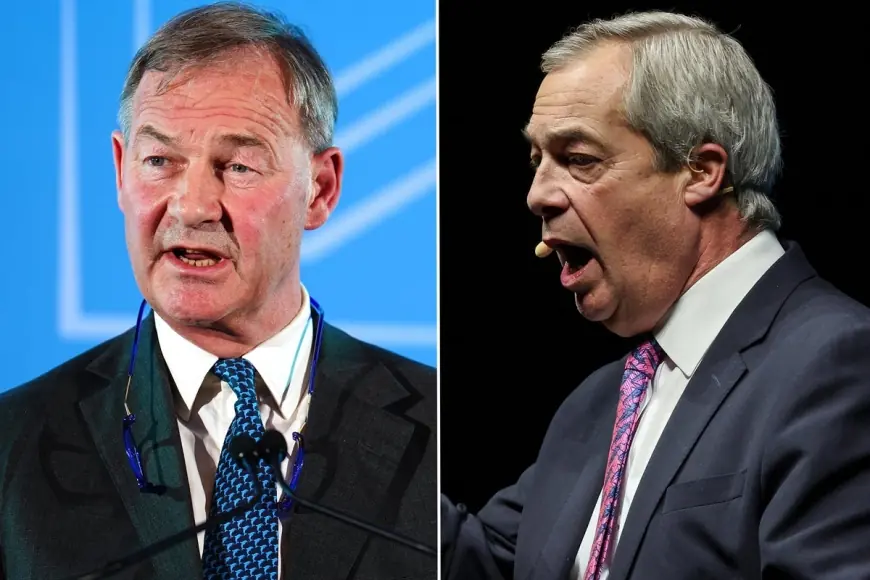
Rupert Lowe, the MP for Great Yarmouth who was elected as a member of Reform UK in July 2024 but now sits as an independent, has converted his Restore Britain movement into a national political party. The move was unveiled on Friday night and sets the scene for a new entrant on the right of British politics that aims to knit together local groups under a single banner.
Party model and stated priorities
Lowe says Restore Britain will operate as an umbrella organisation, partnering with locally based parties to contest elections while promoting a short list of national priorities. His own local vehicle, Great Yarmouth First, is expected to be a partner and Lowe is widely expected to stand again in the constituency under that arrangement.
The new party grew out of a movement he set up after his suspension from his former party last year. Campaigners involved in the movement have highlighted issues such as a high-profile inquiry into child sexual exploitation, controls on immigration and measures aimed at cultural change as focal points for Restore Britain's platform. Lowe has framed the party as offering an independent-minded conservative alternative that will challenge what he describes as a disconnect between mainstream politicians and local communities.
Controversy and political fallout
Lowe's conversion of the movement into a political party comes after a turbulent period that saw him suspended from his former party last March following allegations that he made threats against the party chairman. Lowe denied the allegations and described them as vexatious; prosecutors later concluded there was insufficient evidence to bring charges.
The row prompted a wider rupture with national figures who had been linked to his advisory efforts. Two prominent Conservative politicians who had taken part in Restore Britain's advisory arrangements when it was a movement are understood to be stepping away from the project now that it has become a formal party. The departures underline the risks of forming a national vehicle from a movement that was initially designed to attract cross-party support.
East of England political editor Andrew Sinclair described Lowe as having a reputation for being "a bit of a maverick MP, " noting that his style and insistence on local campaigning have been central to his appeal. Private polling circulated among local operatives and rival parties suggests Lowe could be a potent force in Great Yarmouth if a general election were held soon, though the margin of that support remains uncertain.
Electoral outlook and wider implications
The creation of Restore Britain raises questions about vote-splitting on the right and the prospects for smaller, locality-focused parties to scale up nationally. Lowe's team argues the umbrella model will allow local parties to retain identity while pooling resources and policy focus under the Restore Britain name.
Local elections that might have provided an early test for Great Yarmouth First were cancelled this year, denying the group an immediate proving ground. Turning the movement into a party gives Lowe a clear pathway back onto the national stage, but it also makes it harder for some of his former allies to maintain informal ties without being seen as endorsing a full-blown party project.
At the constituency level, Lowe's emphasis on local issues and his profile as a businessman and farmer—he is a former chairman of a professional football club—will shape his pitch to voters. Nationally, Restore Britain's emergence will be watched closely for signs it can translate local energy into broader support and how it affects the balance among established parties on the right.